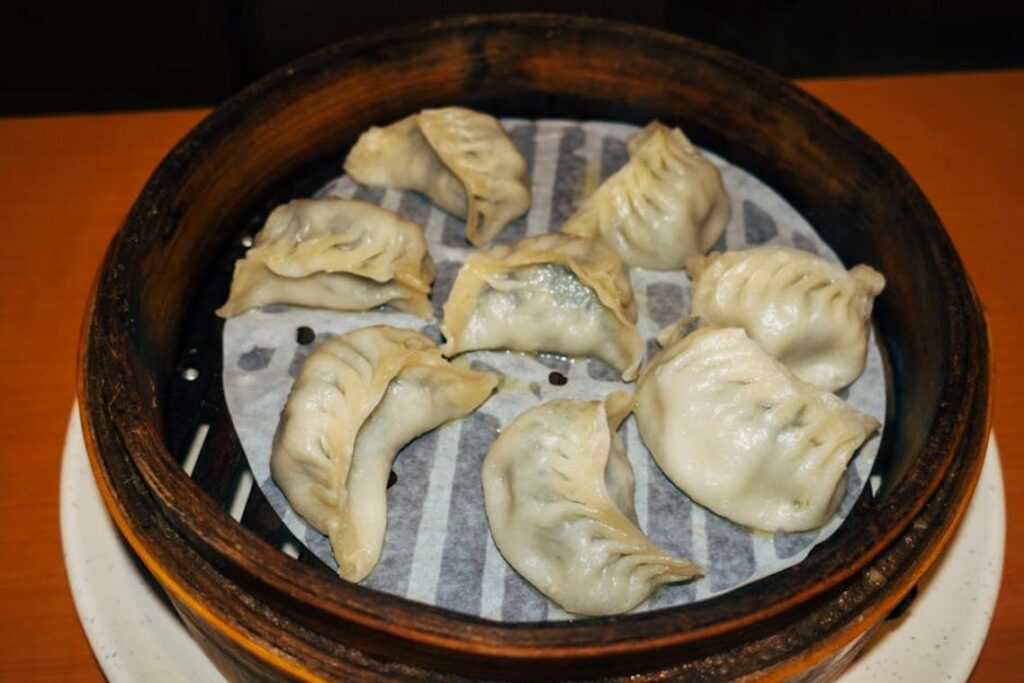
Curious about how flavors travel, evolve, and define cultures? This article explores the culinary pulse shaping today’s food landscape—from time-honored techniques to modern kitchen innovations. Whether you’re searching for deeper insight into global food fundamentals, authentic cultural cuisine explorations, or practical kitchen hacks you can use right away, you’ll find clear, engaging guidance here.
We dive into global street food traditions to uncover how everyday dishes tell powerful stories about heritage, migration, and community. Along the way, we break down signature Hinga flavors and traditions, explaining their origins and how they continue to influence contemporary cooking.
Our insights are grounded in thorough culinary research, cross-cultural food studies, and hands-on analysis of cooking methods and ingredient pairings. By combining historical context with practical application, this article helps you better understand the world’s kitchens—and brings inspiration you can confidently use in your own.
Street food is more than convenience; it is memory you can taste. From Bangkok’s sizzling woks to Mexico City’s taco stands, each recipe carries techniques refined over generations. Fermentation, for instance, is the controlled transformation of food by microbes, a practice that preserves flavor and history. Yet many travelers stop at the first delicious bite. What if you asked the vendor about their grandmother’s method? Suddenly, global street food traditions become living archives. Next, you might wonder: how can you honor these dishes at home? Start by learning one foundational technique, then trace its cultural roots. The journey deepens deliciously.
The Sidewalk Soul: Why Street Food is a Cultural Pillar
Street food isn’t just fast fuel between meetings. It’s a living archive of a city’s appetite. When we talk about global street food traditions, we’re really talking about memory served on paper plates. Defined simply, street food is ready-to-eat fare sold in public spaces. But that definition misses the point. It’s community economics in motion (cash-only, no reservations), daily ritual, and cultural shorthand all at once.
I’ve always believed the best “cookbooks” don’t sit on shelves—they sizzle on carts. Many stalls are multi-generational, passing down heirloom recipes the way others pass down photo albums. UNESCO has recognized certain food traditions as intangible cultural heritage, underscoring how cuisine preserves identity (UNESCO, 2023). Lose the stall, and you risk losing the story.
Climate and trade shape every bite. Mexico’s corn, Thailand’s chilies, Turkey’s spice routes—geography seasons the menu long before the cook does. Some argue street food is unsanitary or outdated. Fair. Regulations matter. But dismissing it ignores how it adapts, innovates, and feeds millions daily (FAO, 2022).
- A shared table without walls
- Flavor shaped by land and history
To me, street food is the great equalizer—students, CEOs, tourists, all standing shoulder to shoulder, united by hunger (and maybe a little hot sauce).
A Taste of Tradition: Iconic Dishes and Their Origins
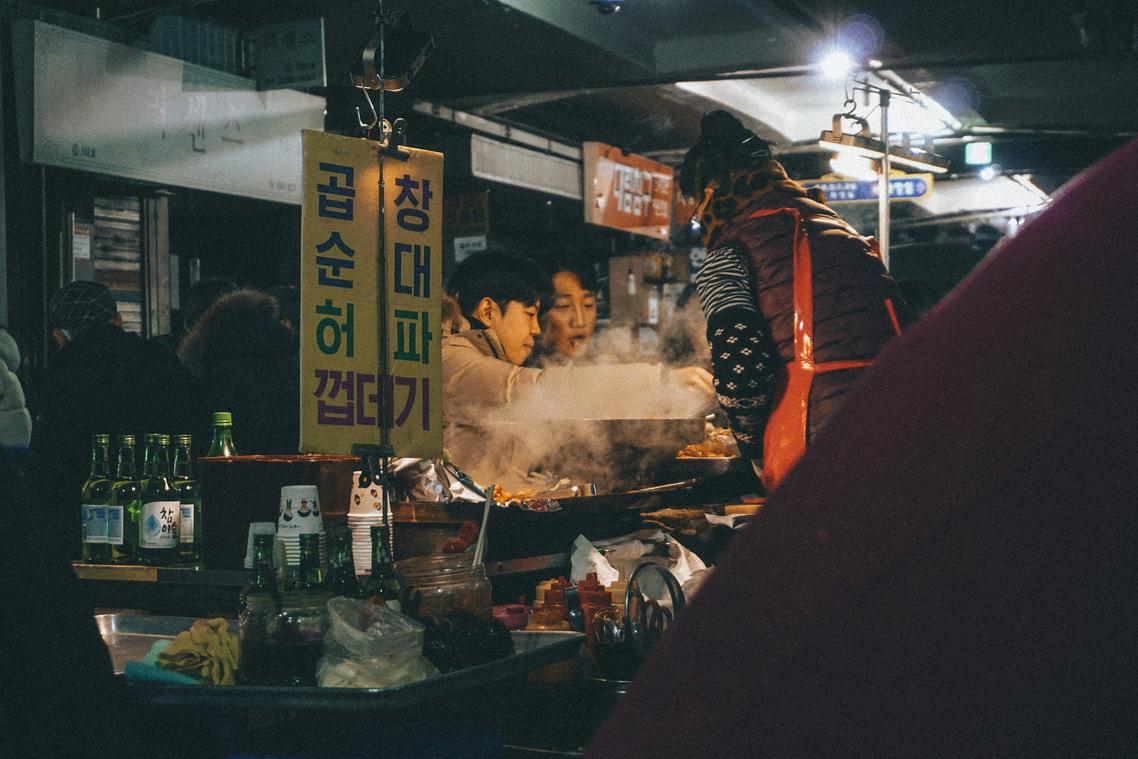
Ever notice how people rave about iconic dishes without knowing where they actually come from? It’s frustrating. Food gets flattened into Instagram captions, stripped of the struggles, migrations, and political agendas that shaped it. So let’s slow down and look at the roots behind a few favorites.
1. The Spice Routes of Asia
First, consider Pad Thai. Many assume it’s an ancient Thai staple. In reality, Pad Thai was popularized in the 1930s as part of a nation-building campaign under Prime Minister Plaek Phibunsongkhram, who promoted rice noodles to reduce reliance on imported rice (National Library of Thailand). In other words, your late-night noodle craving has political origins. Street vendors helped cement its popularity, turning policy into comfort food.
Meanwhile in Mumbai, Vada Pav emerged in the 1960s as an affordable, filling snack for textile mill workers (The Hindu). A spiced potato fritter tucked into bread—simple, carb-heavy, practical. Some critics dismiss it as “just street food,” but that misses the point. It was designed to sustain laborers through long shifts. That’s culinary resilience.
2. Latin America’s Culinary Crossroads
Next, Tacos al Pastor tell a migration story. Lebanese immigrants brought shawarma-style vertical spits to Mexico in the early 20th century (Smithsonian Magazine). Pork replaced lamb, achiote replaced traditional spices, and pineapple joined the party. Culinary purists sometimes argue it’s not “authentically Mexican.” But authenticity evolves; that’s how cuisines survive.
Similarly, Peru’s Anticuchos began as skewers made from discarded beef heart, prepared by enslaved Africans during colonial times (Peru Travel Ministry). What was once overlooked became a national delicacy. Transformation is the theme here.
3. Mediterranean Simplicity
Then there’s Souvlaki, with roots tracing back to ancient Greece, where skewered meat fed soldiers and workers efficiently (BBC Food History). Practicality again. And Turkey’s Simit—those sesame-crusted bread rings—remain a daily ritual, sold on nearly every street corner. Some say it’s “just bread,” yet it symbolizes routine and community.
Ultimately, these dishes remind us that global street food traditions carry history in every bite. If you’re curious about how geography shapes traditional dishes in different regions, explore how geography shapes traditional dishes in different regions. Context changes everything.
Behind every street cart is a choreography as precise as a ballet. Vendors move with Mastery in Motion, flipping roti like magicians snapping cards, hand-pulling noodles into silken ropes the way a violinist draws a bow. These techniques are not tricks; they’re muscle memory forged through repetition and heat.
Their Essential Toolkit reads like a chef’s version of a mechanic’s chest:
- A concave comal cradling tortillas like a cast-iron moon.
- A wok blazing at furnace temperatures, turning oil into liquid lightning.
- A döner spit rotating slowly, shaving meat in savory ribbons.
Each tool defines a cuisine, much like instruments define an orchestra. In global street food traditions, space is tighter than a submarine galley, yet vendors engineer efficiency with chess-player strategy. Ingredients are prepped within arm’s reach, heat zones mapped like city grids, and timing calibrated to the second.
Skeptics might argue that such small setups limit creativity. Yet constraint often acts like a frame around a painting, sharpening focus and flavor. With limited resources, vendors achieve rapid, high-quality production, proving that ingenuity thrives not in abundance, but in pressure. It’s culinary jazz, improvised nightly, yet grounded in disciplined technique and relentless repetition. Precision becomes survival, speed becomes art. Daily.
Your Next Culinary Adventure Starts on the Street
Street food isn’t just a quick bite; it’s a living archive of flavor. When you understand the framework behind it, you begin to see meals as stories of resilience, migration, and creativity. Think of tacos al pastor, shawarma, or banh mi—each born from cultural exchange and necessity.
The true tradition of street food lives in daily rituals:
- Early-morning prep, often using recipes refined over decades
- Hyper-local ingredients that keep flavors seasonal and affordable
- Face-to-face service that builds trust and community
These features aren’t quaint; they’re practical benefits. You get fresher food, transparent sourcing, and recipes tested by generations. In cities, vendors are guardians of global street food traditions, preserving techniques like open-flame grilling or hand-pulled noodles.
Next time you travel—or explore your neighborhood—seek out a cart or stall. Ask about the dish. That question can turn lunch into connection.
Savor the Stories Behind Every Bite
You set out to explore the rich flavors, history, and meaning behind dishes from around the world—and now you’ve tasted how food connects culture, community, and creativity. From bustling markets to home kitchens, global street food traditions reveal more than recipes; they tell stories of resilience, identity, and shared experience.
If you’ve ever felt stuck cooking the same meals or disconnected from the roots of what’s on your plate, that frustration ends here. Understanding culinary pulse and cultural cuisine explorations gives you the confidence to experiment boldly, honor traditions, and bring authentic flavor into your own kitchen.
Now it’s time to take action. Try one new street-inspired dish this week. Explore unfamiliar spices. Recreate a classic using the kitchen hacks and global food fundamentals you’ve just discovered.
Ready to transform everyday meals into meaningful experiences? Dive deeper into our trusted, flavor-first guides and start cooking with purpose today. Your next unforgettable dish is just one bold step away.