Food is more than sustenance—it’s a living story of culture, technique, and flavor passed from one kitchen to the next. If you’re here, you’re likely searching for deeper insight into the culinary pulse shaping today’s global table—whether that means understanding essential food fundamentals, exploring cultural cuisine, discovering distinctive Hinga flavors and traditions, or mastering practical kitchen hacks that actually work.
This article is designed to meet that search head-on. We break down complex culinary concepts into clear, usable insights while honoring the traditions behind them. Our guidance draws from carefully researched food history, tested kitchen practices, and a close study of global cooking patterns to ensure accuracy and depth.
You’ll leave with a stronger grasp of foundational techniques, a broader appreciation for cultural flavors, and practical strategies you can immediately apply in your own kitchen. Let’s explore what truly makes food meaningful—across borders and beyond the plate.
Have you ever wondered why your stir-fry tastes flat while a restaurant’s sings? Or why your soup turns muddy instead of vibrant? Recipes list steps, but technique is the real engine. Searing builds a browned crust through the Maillard reaction (that nutty, savory magic); braising gently cooks tough cuts in liquid until tender; emulsifying binds oil and water into silky harmony. When you understand these methods, you can pivot mid-dish. Too salty? Dilute and rebalance. Too pale? Increase heat for caramelization. Curious how pros think? Explore more at https://hingagyi.com. So next time you cook, ask: what is this step doing?
Mastering Dry Heat: Unlocking Flavor with Fire and Air
Dry heat cooking sounds technical, but the idea is simple: food is surrounded by hot air or hot fat, not water. That difference matters. Without moisture in the way, the surface of the food can brown through the Maillard reaction—a chemical reaction between amino acids and sugars that creates deep flavor and that golden crust (the smell alone is enough to make you hover near the oven).
Unlike boiling or steaming, dry heat concentrates flavor. As moisture evaporates, taste intensifies. Think of a roasted potato versus a boiled one—the roasted version is crisp outside, fluffy inside, and far more complex.
Roasting & Baking:
These methods use consistent, surrounding oven heat. They’re ideal for larger cuts of meat, vegetables, and baked goods. Temperature control is key: high heat jumpstarts browning, while moderate heat cooks the interior evenly. Italian porchetta is a classic example—slow-roasted pork with a crackling exterior and juicy center. If the heat is too low, you’ll miss browning; too high, and the outside burns before the inside cooks.
Grilling & Broiling:
Both rely on intense, direct heat. Grilling cooks from below (like an outdoor barbecue), while broiling cooks from above (inside your oven). Direct grilling places food over the flame for quick charring; indirect grilling moves it beside the heat for gentler cooking. Japanese yakitori uses direct heat to achieve smoky, caramelized edges.
Sautéing & Pan-Searing:
This is high-heat, low-fat cooking in a shallow pan. The goal is a quick, flavorful crust. Overcrowding traps steam and prevents browning (and nobody wants gray scallops). French-style seared scallops succeed because they’re spaced apart, allowing a crisp, golden finish.
The Gentle Art of Moist Heat: Cooking with Water and Steam
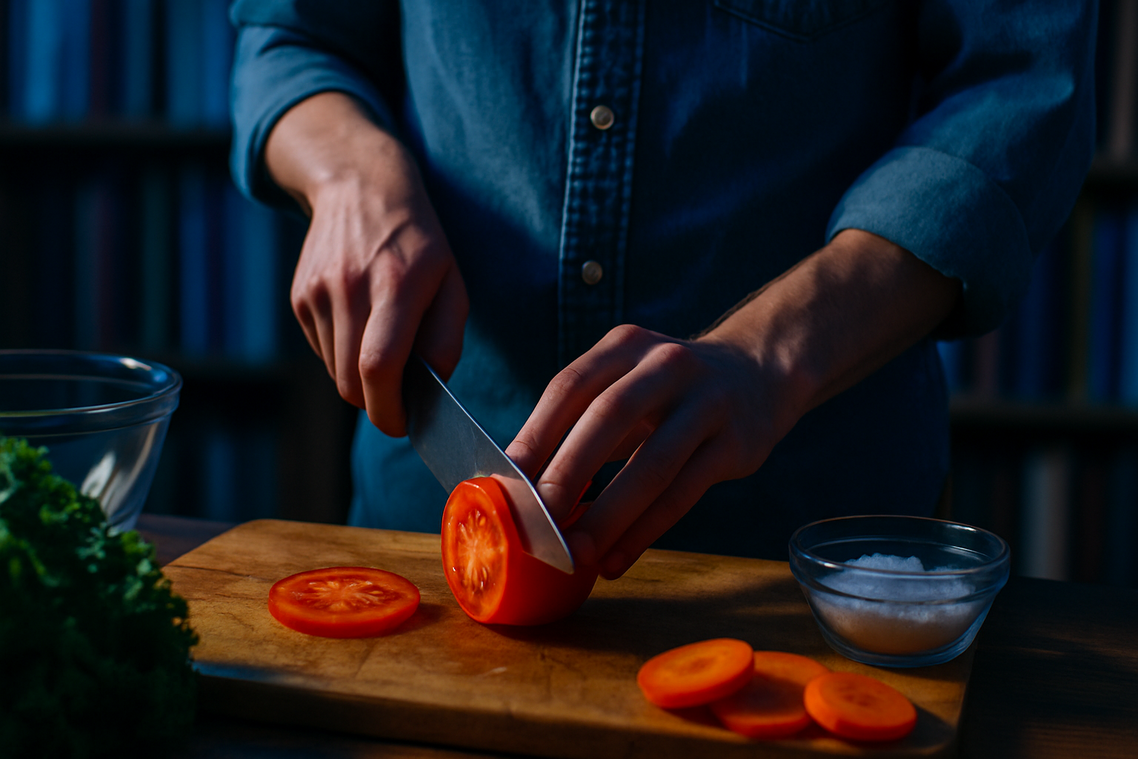
Moist heat cooking is all about using water, steam, or stock to transfer heat to food. Instead of creating a browned crust, this method surrounds ingredients with liquid, resulting in tender, succulent textures. If you’ve ever wondered why your chicken turns rubbery or your vegetables go limp, understanding these techniques can fix that (yes, overcooking is usually the culprit).
Boiling
Boiling cooks food in water heated to its highest temperature, around 212°F (100°C) at sea level. It’s fast and efficient, making it ideal for pasta, grains, and root vegetables. However, vigorous bubbles can break apart delicate foods and leach out nutrients. To minimize flavor loss, salt your water generously and avoid overcrowding the pot.
Simmering & Poaching
While both use hot liquid, the difference lies in intensity. Simmering happens just below boiling, with gentle bubbles rising steadily. This steady heat is perfect for building depth, like when preparing Vietnamese pho broth. Poaching uses even lower temperatures, ideal for delicate foods like eggs and fish. The gentle environment prevents tearing or toughness (think of it as a spa bath for your salmon).
Steaming
Steaming cooks food with the vapor from boiling water rather than submerging it. Because ingredients don’t sit in liquid, they retain more nutrients and structure, according to Harvard T.H. Chan School of Public Health. Chinese dim sum dumplings are a classic example: tender wrappers, juicy fillings, no sogginess.
Braising & Stewing
This method begins with a quick sear, then finishes with slow cooking in liquid. The moist heat breaks down collagen in tough cuts of meat, transforming them into fork-tender bites, as noted by the USDA. Moroccan lamb tagine showcases this beautifully.
For deeper flavor foundations, explore pantry staples from around the world and how to use them.
Harnessing Fat: The Power of Frying
Have you ever wondered why fried food tastes so irresistible? Frying is a dry-heat cooking method that uses hot fat as the cooking medium. Although it sounds contradictory, “dry-heat” simply means water isn’t doing the cooking—fat is. As a result, food develops a crisp exterior through the Maillard reaction (the chemical browning that creates deep flavor) while staying tender inside (Science of Cooking, 2020). That contrast is the magic.
Deep-Frying: Submerging food completely in hot oil. When done correctly, the moisture inside the food turns to steam and pushes oil away, preventing greasiness. However, if the temperature drops too low, oil seeps in. Sound familiar? That heavy, soggy bite usually means the oil wasn’t hot enough. Belgian frites prove the point—fried twice for shattering crispness and fluffy centers.
Pan-Frying & Shallow-Frying: Cooking in a smaller amount of fat, with food partially submerged. This method is perfect for breaded cutlets or delicate fish fillets. The hot fat transfers heat efficiently, forming a golden crust. Think German schnitzel—thin, crisp, and deeply savory. Ever notice how the sizzle tells you it’s working? That sound signals moisture escaping and browning underway.
Stir-Frying: A high-heat technique using a wok and minimal oil, keeping ingredients in constant motion. Because the heat is intense, mise en place (prepping everything beforehand) is essential. Thai Pad See Ew thrives on this speed—smoky, caramelized, vibrant.
So, is frying indulgent? Perhaps. Yet when controlled, it’s precision cooking with delicious payoff.
Now that you understand how heat works, it’s time to cook with intention. Too often, a failed dish isn’t about talent—it’s about technique. If your steak turns gray or your vegetables limp, the issue is method, not magic (even Gordon Ramsay can’t rescue the wrong pan choice).
Start by matching outcome to approach. Use searing for flavor, braising for tenderness, steaming for delicacy. Each method changes texture, moisture, and taste in predictable ways.
So here’s my recommendation: pick one technique and build a simple meal around it tonight. Pay attention. Adjust. Taste. That awareness is what turns recipes into skill.
Bring Hinga Flavors Into Your Kitchen Today
You came here to deepen your understanding of culinary pulse, global food fundamentals, and the rich traditions behind Hinga flavors. Now you have the cultural context, flavor insights, and practical kitchen hacks to turn inspiration into action.
The real challenge isn’t finding recipes — it’s creating meals that feel authentic, balanced, and deeply satisfying. Without the right knowledge, flavors fall flat and traditions lose their meaning. With the right guidance, every dish becomes an experience.
So take the next step. Start experimenting with these flavor foundations in your next meal. Explore new cultural combinations. Apply the kitchen hacks you’ve learned and refine your technique with intention.
If you’re ready to cook with more confidence, creativity, and cultural depth, dive deeper into our culinary guides and flavor explorations. Join thousands of food lovers who trust our insights to elevate their cooking — and start transforming everyday meals into unforgettable experiences today.