
If you’re looking to sharpen your skills in the kitchen, understand global flavors, and build confidence with basic cooking techniques, you’re in the right place. Whether you’re a beginner trying to master the fundamentals or a home cook eager to explore cultural cuisines, this article is designed to guide you with clear, practical insights that actually work.
We focus on the “why” behind every step—so you don’t just follow recipes, you understand them. From flavor layering and ingredient selection to time-saving kitchen hacks, you’ll gain knowledge that makes cooking more intuitive and enjoyable.
Our guidance draws on established culinary principles, cultural food traditions, and proven kitchen practices used by seasoned cooks around the world. Every tip is grounded in real-world application, helping you avoid common mistakes and elevate everyday meals.
By the end, you’ll have a stronger foundation, deeper appreciation for global food fundamentals, and the confidence to experiment beyond the recipe.
Build Your Kitchen Confidence from the Ground Up
Feeling lost in the kitchen? You’re not alone. Complex recipes can overwhelm anyone, and takeout becomes the easy fix. However, when you focus on foundational skills, everything changes. Mastering knife control, heat management, seasoning, and timing gives you freedom, not fear. These basic cooking techniques turn chaos into confidence. In turn, you’ll save money, eat better, and enjoy the process (yes, even on busy nights).
Here’s what you gain:
- Faster meal prep
- Better flavor balance
- Less food waste
- Creative flexibility
Start small, practice consistently, and watch dish improve.
Mastering the Blade: Your Guide to Essential Knife Skills
If cooking had a superhero origin story, knife skills would be the training montage. They’re the #1 physical technique for safety, speed, and consistent results. Uniform cuts mean even cooking (no one likes a half-raw, half-mushy carrot situation).
The Only Knife You Need to Start
Start with an 8-inch chef’s knife. It handles over 90% of kitchen tasks—chopping onions, slicing carrots, mincing herbs, even smashing garlic. Think of it as the Swiss Army knife of your kitchen (minus the toothpick).
Safety First
Use the claw grip: curl your fingertips inward so your knuckles guide the blade. Your nails stay back, your fingers stay attached. Pair it with the tunnel method, where your guiding hand forms a little arch for the knife to glide against. Create a stable cutting surface by placing a damp paper towel under your board. No slipping, no drama.
Sharp knives are safer than dull ones. Dull blades slip; sharp blades obey.
The Three Foundational Cuts
Dice: Slice your onion into planks, stack, cut into sticks, then cross-cut. Small, medium, or large depends on spacing.
Julienne: Cut carrots into thin planks, stack, then slice into matchsticks.
Mince: Rock the blade over garlic or onion repeatedly until it becomes a fine paste.
Use basic cooking techniques in the section once exactly as it is given
Practice Tip
Make a simple salsa or soup base. Even cuts cook evenly and taste balanced. Pro tip: practice slowly first—speed comes later (like any good training montage).
Controlling the Flame: A Beginner’s Guide to Heat Management
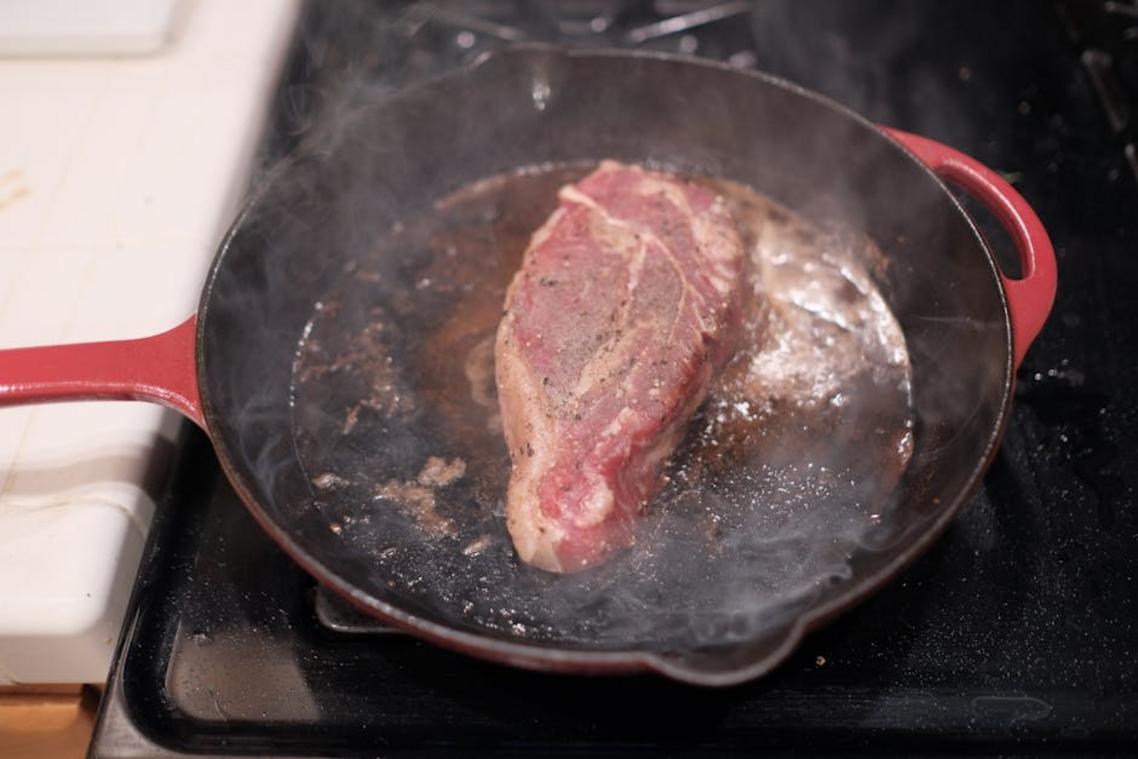
Heat isn’t just a setting on your stove—it’s an ingredient. Control it well, and you unlock deeper flavor, better texture, and more confidence in the kitchen. In other words, mastering temperature means fewer burnt dinners and more “wow, you made this?” moments.
Dry Heat vs. Moist Heat
First, let’s define the two primary methods. Dry heat uses hot air or fat to cook food, which encourages browning (that golden crust on steak or crispy potatoes). Moist heat relies on water or steam, which helps tenderize and gently cook ingredients.
Why does this matter? Because choosing the right method gives you control over results. Want caramelized vegetables? Use dry heat. Hoping for fork-tender stew? Moist heat is your friend.
Key Dry Heat Techniques
Sautéing (high heat, little fat) cooks small pieces quickly while preserving texture.
Roasting (surrounding with hot air) builds rich flavor in meats and vegetables.
Searing (creating a crust) locks in juices and adds depth (that steakhouse finish you secretly love).
Key Moist Heat Techniques
Simmering (gentle bubbles, for soups/stews) develops flavor without toughening ingredients.
Boiling (rapid bubbles, for pasta/potatoes) cooks starches efficiently.
Steaming (for delicate vegetables/fish) protects nutrients and natural sweetness.
If you want to elevate these basic cooking techniques, start by understanding how heat interacts with taste. For a deeper dive, explore understanding flavor profiles sweet sour salty bitter and umami.
Kitchen Hack
Not sure if your pan is ready? Try the water-drop test. Flick a few drops in—if they sizzle and dance, you’re set. If they vanish instantly, it’s too hot. Control the flame, and you control the outcome.
The Art of Flavor: How to Season Beyond Just Salt
Seasoning isn’t about making food salty. It’s about BALANCE. The goal is to enhance natural flavor, not bury it (your tomatoes shouldn’t taste like the ocean).
The four pillars of flavor are Salt, Fat, Acid, and Heat. Think of them as the Avengers of your kitchen—strong alone, unstoppable together.
Salt amplifies flavor. It reduces bitterness and heightens sweetness (Harvard T.H. Chan School of Public Health). Season in layers:
- At the beginning to build foundation
- In the middle to adjust
- At the end to fine-tune
Pro tip: Taste after every major step. YOUR TONGUE IS THE TOOL.
Acid (lemon juice, vinegar) brightens food and cuts richness. A squeeze of lemon on soup can make it taste fresher instantly. If a dish feels “flat,” it probably needs acid—not more salt.
Fat carries flavor because many aroma compounds are fat-soluble (Institute of Food Technologists). Olive oil, butter, coconut milk—they create texture and depth.
Heat transforms ingredients through basic cooking techniques, unlocking aroma and browning.
Practice Exercise: Simple Vinaigrette
1 tablespoon vinegar
3 tablespoons olive oil
Pinch of salt
Whisk. Taste. Adjust.
Too sharp? Add fat. Too dull? Add acid. Too bland? Add salt.
That’s seasoning. SIMPLE. DELIBERATE. POWERFUL.
The Secret to Calm Cooking: Why “Mise en Place” Is Your Best Friend
“Mise en place” means “everything in its place.” Think of it as setting the stage before a play: the actors (ingredients) know their marks, the props are ready, and the spotlight (heat) can shine without chaos. It turns kitchen panic into kitchen poetry.
Without it, cooking feels like juggling while riding a bike (and yes, something burns).
With it, you simply:
- Read the recipe fully
- Chop all vegetables
- Measure all spices
- Prepare all liquids
Then—and only then—apply basic cooking techniques.
Suddenly, dinner flows like a well-rehearsed orchestra, not a last-minute scramble.
Your Culinary Journey Starts Now
I still remember the night I burned garlic and nearly quit cooking. I had recipes, gadgets, and zero confidence. What changed wasn’t more instructions; it was mastering basic cooking techniques. Once I focused on skill over steps, the fog lifted.
Here’s the truth:
- Control your knife.
- Manage your heat.
- Balance salt, acid, and fat.
- Organize before you start.
Technique beats recipes every time. Start small this week. Dice an onion with care for every meal. Notice the sizzle of your pan. Progress feels immediate (and surprisingly addictive). Trust the process.
Bring Hinga Flavors Home
You came here looking to better understand the flavors, traditions, and practical skills that bring global cuisine to life in your own kitchen. Now you have a clearer path forward—one rooted in cultural awareness, smart ingredient choices, and mastery of basic cooking techniques that make every dish more confident and consistent.
Cooking can feel overwhelming when flavors fall flat or recipes don’t turn out the way you imagined. That frustration often comes from missing fundamentals or not knowing how to balance tradition with technique. The good news? With the right guidance, those pain points turn into progress.
Your next step is simple: start applying these insights in your next meal. Experiment with Hinga flavors, refine your basic cooking techniques, and explore one new cultural dish this week. If you want trusted, flavor-focused guidance that simplifies global cooking and elevates your kitchen skills, explore more of our proven resources today. Join thousands of food enthusiasts who rely on our insights to cook smarter, taste deeper, and bring authentic flavor home—start now and transform your next dish.