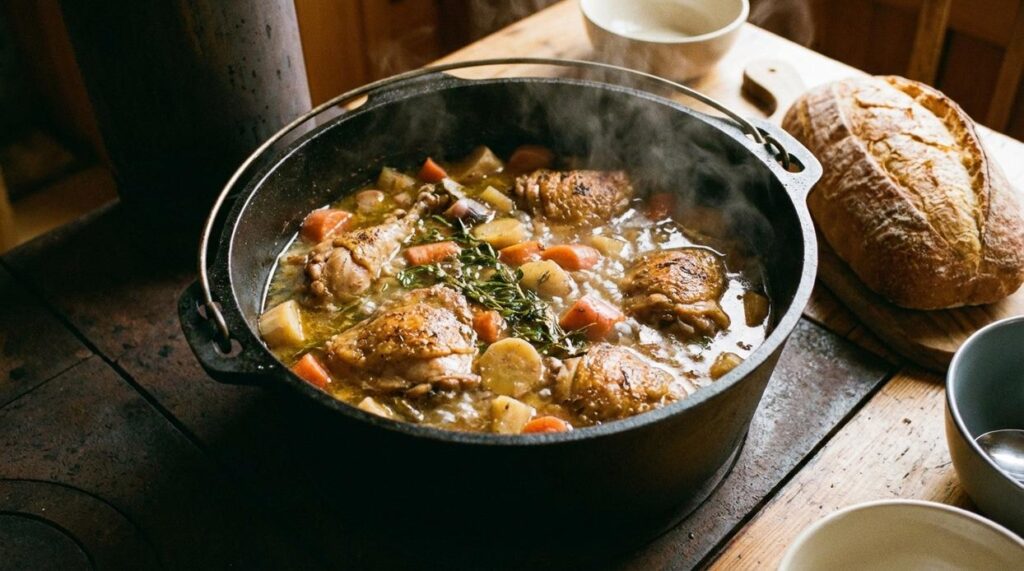
If you’re searching for a deeper understanding of mediterranean culinary heritage, you’re likely looking for more than just recipes. You want to know the stories behind the ingredients, the cultural roots of iconic dishes, and how centuries of trade, migration, and tradition shaped the flavors we love today.
This article explores the foundations of Mediterranean cuisine—from core ingredients like olive oil, grains, and fresh herbs to the regional variations that define coastal villages and inland communities alike. We’ll break down the cultural influences, time-honored cooking techniques, and flavor principles that continue to inspire modern kitchens around the world.
To ensure accuracy and depth, this guide draws on established culinary research, historical food studies, and insights from global gastronomy experts. Whether you’re a passionate home cook or a curious food enthusiast, you’ll gain practical knowledge, cultural context, and a richer appreciation for one of the world’s most celebrated food traditions.
More Than a Diet: Uncovering the Soul of a Sun-Drenched Cuisine
Let’s clear this up: Mediterranean food isn’t one single “diet.” It’s a tapestry of cultures stitched together by one shared sea. When people picture it, they often think of Greek salad or hummus (both delicious, yes), but that’s just the appetizer.
At its heart, Mediterranean cuisine reflects geography and history working together. Think:
- Olive oil as the primary fat (liquid gold in many kitchens)
- Seasonal vegetables and grains
- Seafood along the coasts, hearty meats inland
This mediterranean culinary heritage blends technique, tradition, and community—meals as gatherings, not just fuel. By understanding its core principles and regional variations, you’ll see it’s less a rigid plan and more a flavorful philosophy.
The Pillars of the Pantry: The Holy Trinity of Mediterranean Flavors
Olive Oil: The Liquid Gold
First and foremost, extra virgin olive oil isn’t just cooking fat—it’s flavor architecture. High-quality oil, mechanically extracted without heat or chemicals, preserves antioxidants and polyphenols (compounds linked to reduced inflammation, according to the International Olive Council). A peppery Tuscan oil can finish grilled vegetables with a grassy bite, while a buttery Spanish Arbequina softens soups and seafood. The benefit? You elevate even the simplest meal—toast and tomatoes suddenly taste restaurant-worthy (yes, that drizzle matters).
The Power of Produce
Meanwhile, the philosophy of “what grows together, goes together” makes seasonal produce the hero, not the sidekick. Sun-ripened tomatoes, silky eggplant, crisp zucchini, figs, and bright citrus thrive in shared climates—and on shared plates. Eating this way means better flavor and higher nutrient density, as produce consumed in season often retains more vitamins (Harvard T.H. Chan School of Public Health). In other words, you gain both taste and nourishment—a delicious two-for-one.
Legumes, Grains, and Nuts
Finally, lentils, chickpeas, farro, and almonds form the hearty backbone of mediterranean culinary heritage. These fiber-rich staples support heart health (American Heart Association) while adding satisfying texture. The upside? Affordable, sustaining meals that keep you full longer—proof that humble ingredients can feel like a feast (no gladiator required).
A Tapestry of Tastes: Exploring Three Distinct Culinary Coasts
The Mediterranean is not a single flavor—it’s a spectrum. To truly appreciate its mediterranean culinary heritage, you have to taste it coast by coast. So where should you begin?
Start with the Eastern Mediterranean, often called the Levant. Here, freshness reigns. Think Lebanese tabbouleh bursting with parsley, Syrian muhammara blended with pomegranate molasses, and Turkish hummus enriched with tahini (a creamy paste made from ground sesame seeds). Just as importantly, embrace mezze—small shared plates designed for conversation and lingering meals. Order widely, share everything, and don’t skip za’atar sprinkled over warm flatbread. Pro tip: drizzle good olive oil over your dips right before serving; it transforms the entire plate.
Next, head west to Southern Europe. Italian cuisine champions simplicity—pasta, tomatoes, basil—yet that restraint is the point (sometimes less really is more). In contrast, Greek dishes lean into feta, oregano, and lemon, delivering brightness in every bite. Meanwhile, Spain layers smoky paprika and luxurious saffron into paella, alongside tapas that invite grazing. If you’re choosing one dish to try first, make it a classic: cacio e pepe in Italy, horiatiki salad in Greece, or patatas bravas in Spain. Each reflects a rustic confidence rooted in local ingredients.
North Africa’s Aromatic Depths
Finally, explore Morocco and Tunisia, where spice tells the story. Ras el hanout—a complex blend that can include cinnamon, cumin, and dried rose—creates depth in slow-cooked tagines. Couscous serves as a fluffy canvas for lamb with apricots, balancing sweet and savory (a pairing that surprises newcomers but wins them over fast). If you’re cooking at home, invest in a proper tagine or heavy pot; slow heat unlocks those layered aromas.
Ultimately, taste them side by side. Compare. Notice contrasts. Then return to your favorites—because preference, after all, is the most honest guide.
Mastering Heat: Grilling and Roasting
High-heat cooking is exactly what it sounds like: exposing food to intense temperatures (usually above 400°F) to trigger the Maillard reaction—a chemical process that creates browning and deep flavor (Harold McGee, On Food and Cooking). When you grill shrimp or roast peppers, the char amplifies natural sugars, so you need less sauce, not more. Some argue high heat “burns” food and destroys nutrients. That can happen—but controlled charring adds complexity without bitterness. Kitchen hack: Preheat your pan or sheet tray for 10 minutes before adding vegetables. A hot surface jump-starts caramelization and prevents sogginess (the enemy of crisp edges).
The One-Pot Wonder
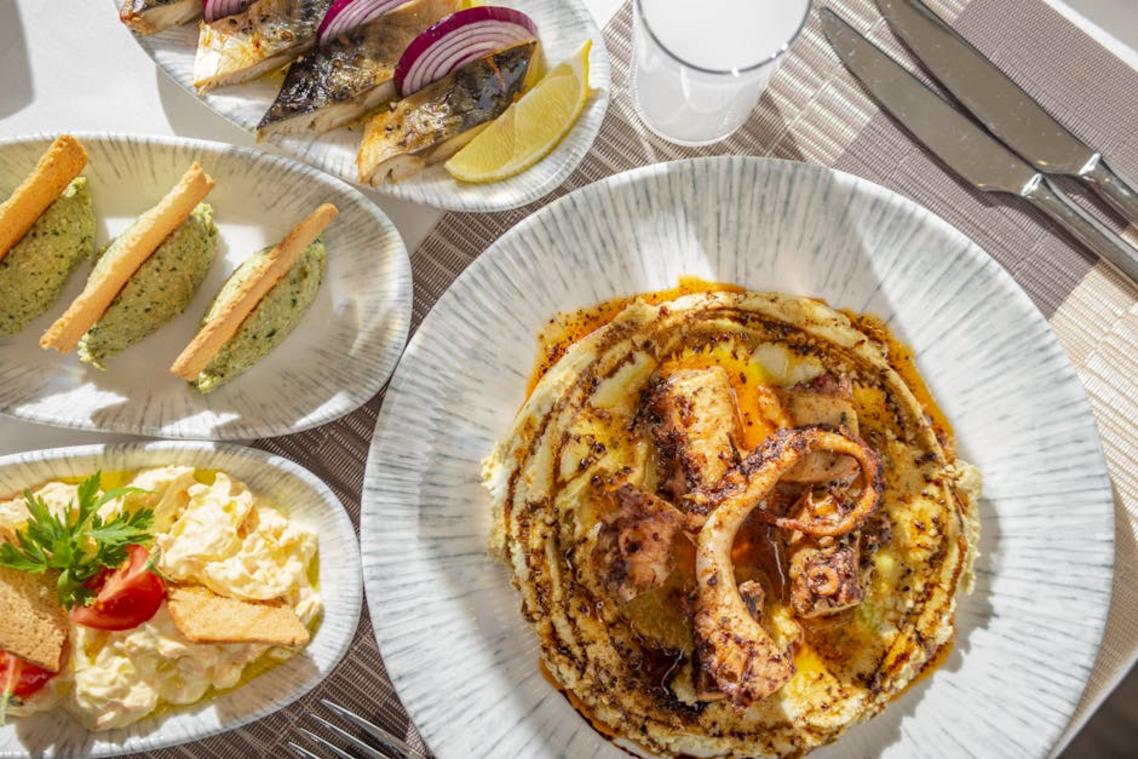
Slow-braising means cooking tougher cuts—like beef chuck or lamb shank—in liquid over low heat for hours. The gentle simmer breaks down collagen into gelatin, creating rich texture (USDA Food Science). While critics say it’s old-fashioned and time-consuming, most of the process is hands-off. In fact, one heavy pot, steady heat, and patience often yield deeper flavor than complicated techniques. This approach echoes mediterranean culinary heritage and even the traditional cooking rituals still practiced today.
No-Cook “Cooking”: The Power of Freshness
No-cook dishes—salads, marinades, dips—rely on acidity (like lemon juice) to brighten flavors and slightly “cook” proteins. Skeptics call it too simple. But simplicity demands quality. When tomatoes are peak-ripe, restraint is the real skill (sometimes less truly is more).
Beyond the Plate: Where Food, Family, and Celebration Intersect
First, consider the communal table. Across villages and bustling cities alike, breaking bread is more than metaphor; it’s ritual. To “break bread” means to share a meal as a sign of trust and hospitality. Sunday spreads that stretch for hours echo scenes from My Big Fat Greek Wedding, where laughter competes with clinking glasses. In mediterranean culinary heritage, the table becomes common ground for storytelling, debate, and reconciliation.
Meanwhile, patience defines pleasure. Meals unfold slowly, course by course, resisting drive‑thru culture. Food isn’t fuel; it’s an event—measured in memories, not minutes.
Bringing the Mediterranean spirit to your table starts with the basics: choose fresh, seasonal ingredients; favor healthy fats like olive oil (the good kind that smells grassy, not greasy); and cook simply so flavors speak for themselves. Yet here’s what many miss. The real mediterranean culinary heritage isn’t a strict recipe playbook—it’s a living philosophy centered on sharing, balance, and joy.
Some argue it’s too idealistic for busy schedules. Fair. Still, small shifts matter. Start with one quality bottle of olive oil, wander a local farmers’ market, or host a no-fuss dinner this week. Good food, shared, does the heavy lifting.
Savoring the Legacy on Your Plate
You came here to better understand the roots, flavors, and traditions that define mediterranean culinary heritage—and now you have a clearer picture of how history, culture, and simple ingredients come together to create unforgettable meals.
From olive oil–rich foundations to time-honored cooking techniques and vibrant regional spices, you’ve seen how this cuisine isn’t just about food—it’s about connection, balance, and tradition. If you’ve ever felt overwhelmed trying to recreate authentic Mediterranean flavors or unsure how to bring those timeless tastes into your own kitchen, that uncertainty ends here.
Now it’s time to take action. Start by choosing one classic dish, sourcing quality ingredients, and applying the kitchen hacks and flavor principles you’ve learned. Small, intentional steps lead to confident, flavorful results.
If you’re ready to elevate your cooking and truly master Mediterranean flavors, explore more of our expert culinary insights and proven kitchen techniques. Join thousands of food lovers who trust our guidance to transform everyday meals into cultural experiences—dive in now and bring the Mediterranean to your table tonight.