
You’ve been there, right? Opening your fridge only to find that the lettuce you bought a couple of days ago is now a soggy mess. Frustrating.
It’s not just the waste of food; it’s the money slipping through your fingers. We all want to preserve food longer. But how do you do it without resorting to the same old tips that never really work?
This guide promises more than quick hacks. We’re diving into culinary fundamentals and global food traditions that extend food freshness. We’re solving the problem of food waste, saving you money, and ensuring you get the most nutrition from your groceries.
Trust these methods. Why? Because they’re backed by science and time-tested cultural practices.
Ready to make your groceries last longer? Let’s get started.
Spoilage Science: Know Your Enemy
Ever wondered why your food doesn’t last? Let’s break it down. Oxidation is a major culprit (air) exposure degrades food. Then there’s microbial growth, where bacteria and mold have a feast.
Now, ethylene gas is the silent operator. Think of it as a “ripening signal.” Bananas, apples, and avocados are like ethylene gas factories. They produce it and speed up ripening.
Moisture’s a tricky one too: foods lose it or soak it up, messing with texture. And don’t forget enzymatic browning, which is just a fancy term for fruit going brown when sliced.
But leafy greens and broccoli? They’re sensitive, wilting faster around ethylene producers. Picture a high school dance.
Ethylene’s the DJ, and some foods just can’t handle the beat.
Want to preserve food longer? A little knowledge goes a long way. It’s like mastering knife skills (check out this Ultimate Guide Knife Skills).
You’ll handle your produce with finesse.
Knowing these spoilage villains gives you power. You can outsmart them and keep your food fresh. So next time you toss out moldy bread or brown bananas, remember: you’re in charge now.
The Art of Proper Storage: A Room-by-Room Masterclass
Let’s face it, we’re all guilty of letting perfectly good food go to waste. Whether it’s because we stash it in the wrong place or simply forget it’s there, it happens. But what if I told you there’s a way to preserve food longer and make the most of your groceries?
Welcome to my masterclass on proper storage.
Leafy Greens & Fresh Herbs
Ah, leafy greens. They’re delicate, aren’t they? For greens, the paper towel-in-a-bag trick is a lifesaver.
It absorbs excess moisture, which is the enemy of crispness. And for herbs, think “herb bouquet.” Just place the stems in water like flowers. It’s a simple method that keeps them lively longer.
Root Vegetables & Alliums
Potatoes, onions, and garlic (they’re) staples. But did you know they need their own space? A cool, dark, and dry environment is ideal.
And here’s a tip: never store potatoes and onions together. Onions emit ethylene gas, which can sprout your potatoes faster than you’d like. Leave them separate, and they’ll last.
Common Fruits: Berries, Bananas, Citrus
Berries are tricky. Wash them only right before eating. Moisture is their kryptonite, so store them in a single layer to avoid bruising.
Bananas? Separate them. It slows down the ripening process.
And if you’re wondering about citrus, it loves the fridge. Pop it in there, and it’ll stay fresh for weeks.
Dairy, Eggs, and Bread
Now, let’s talk about your fridge. Milk and eggs belong in the main body, not the door. Why?
Because the temperature in the door fluctuates too much. And bread. Never refrigerate it.
Cold air dries it out. Instead, freeze it if you’re not eating it soon. It’ll stay fresh and ready for your next craving.
Curious to learn more about how to keep your food fresh? Check out this guide. It’s packed with tips to extend the life of your groceries and save you money.
Pro tip: Invest in some airtight containers. They keep everything organized and prevent unwanted moisture from creeping in. Plus, seeing your food neatly packed is oddly satisfying.
In the end, it’s about making your food work for you. Store it right, and you’ll waste less and enjoy more. Happy preserving!
Beyond the Basics: Global Techniques for Harvest Preservation
Ever feel like your veggies are on a ticking clock? (I do.) to some old-school, global techniques to preserve food longer and connect with culinary traditions that have stood the test of time.

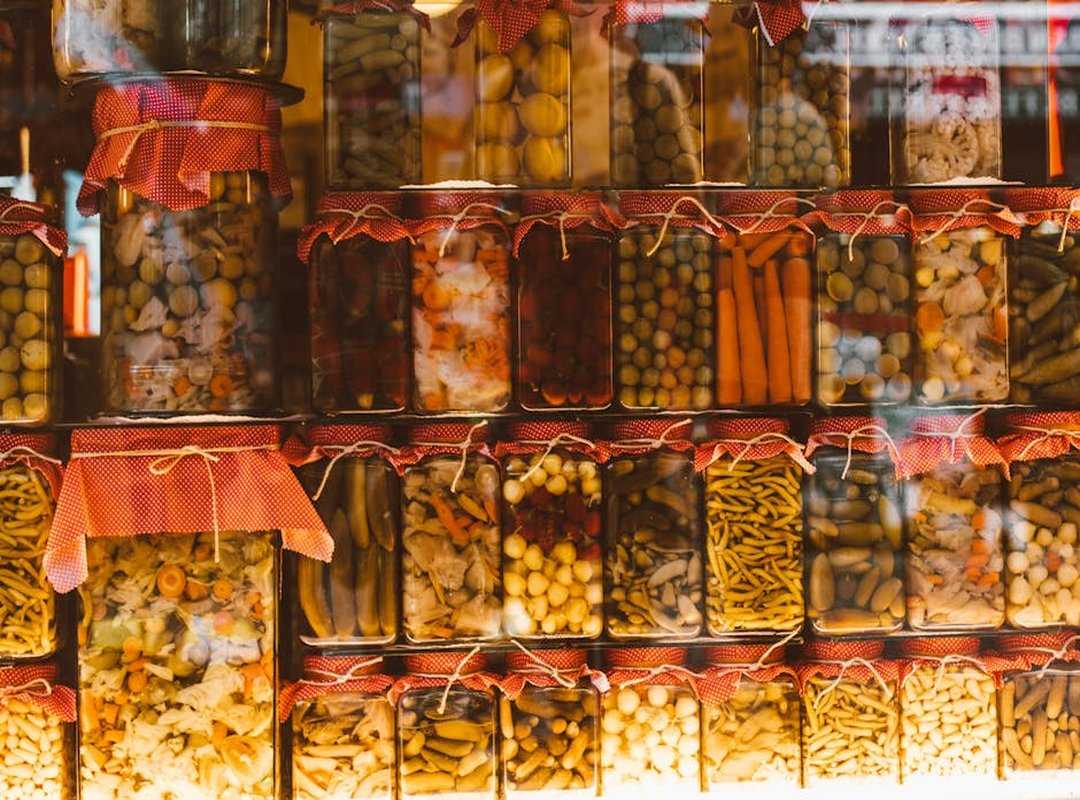
First, quick pickling is a personal favorite. You don’t need fancy gear. A simple brine does the trick: 1:1 vinegar to water, add salt and sugar.
Toss in cucumbers, carrots, or radishes. Suddenly, that produce on the edge of spoiling is transformed. Quick pickling is magic in a jar.
Now, let’s talk blanching for freezing. It’s not just boiling and dunking. You briefly boil veggies, then shock them in ice water.
Why bother? This step is key because it stops enzymes that wreck flavor, color, and texture. You want your frozen veggies to taste like they did fresh, right?
Blanching makes it happen.
Drying herbs is next on the list. Air-drying is as easy as tying bundles and hanging them. But if you’re impatient like me, the oven method is faster.
Low heat until they’re crispy. Dried herbs become a pantry staple, saving you from buying overpriced store-bought ones.
These methods extend the life of your food but link you to a broader culinary history. It’s like learning secret recipes passed down through generations. You’re not just preserving food; you’re preserving culture.
Want to dive into more culinary techniques? Check out these baking tips perfect pastries. They’re a game-changer in the kitchen.
In the end, these techniques are timeless for a reason. They’re simple, effective, and connect us to our past while preparing us for the future. Who knew preserving food could be so empowering?
Sabotaging Your Groceries: Stop These Common Mistakes
I get it. We’re all trying to preserve food longer, but are we actually doing it right? Here are five mistakes you might be making.
- Washing All Produce Immediately
Sure, it feels clean, but excess moisture is your enemy. It speeds up mold and decay, especially on fragile items like berries and greens. Rinse them only when you’re ready to eat.
- Storing Everything in the Refrigerator
Not all foods need to chill. Tomatoes, potatoes, onions, and whole melons thrive at room temperature.
Refrigerating these can dull flavors and textures.
- Over-Packing the Fridge
When the fridge is jam-packed, air can’t circulate properly. This messes with the cool temperature you need to keep food fresh.
Give your fridge some breathing room.
Without them, your leftovers might as well say goodbye to freshness.
- Using the Wrong Containers
Airtight containers are important. They prevent oxidation and moisture loss.
- Grouping Unfriendly Foods
Ethylene gas is real. Some foods (like apples and bananas) emit it, while others (like leafy greens) are sensitive.
Keep them apart to avoid premature spoilage.
Does this sound familiar? Fix these issues and watch your grocery game improve. Don’t just take my word for it.
Try it and see the difference.
Kitchen Smarts: Waste No More
Isn’t it frustrating when you buy food only to toss it later? Now you know how to preserve food longer. You’ve learned why food spoils and how to prevent it.
Smart storage, avoiding blunders, and simple techniques are your new best friends. You can break the waste cycle starting now.
Try separating onions from potatoes this week. That single change could transform your kitchen habits. Your wallet and pantry will thank you.
Why wait? Your journey to less waste starts with one small step. Make it count.
Embrace these changes. Your kitchen deserves it.
 Zayric Orlandis is the kind of writer who genuinely cannot publish something without checking it twice. Maybe three times. They came to recipe adaptation ideas through years of hands-on work rather than theory, which means the things they writes about — Recipe Adaptation Ideas, Global Food Fundamentals, Hinga Flavors and Traditions, among other areas — are things they has actually tested, questioned, and revised opinions on more than once.
That shows in the work. Zayric's pieces tend to go a level deeper than most. Not in a way that becomes unreadable, but in a way that makes you realize you'd been missing something important. They has a habit of finding the detail that everybody else glosses over and making it the center of the story — which sounds simple, but takes a rare combination of curiosity and patience to pull off consistently. The writing never feels rushed. It feels like someone who sat with the subject long enough to actually understand it.
Outside of specific topics, what Zayric cares about most is whether the reader walks away with something useful. Not impressed. Not entertained. Useful. That's a harder bar to clear than it sounds, and they clears it more often than not — which is why readers tend to remember Zayric's articles long after they've forgotten the headline.
Zayric Orlandis is the kind of writer who genuinely cannot publish something without checking it twice. Maybe three times. They came to recipe adaptation ideas through years of hands-on work rather than theory, which means the things they writes about — Recipe Adaptation Ideas, Global Food Fundamentals, Hinga Flavors and Traditions, among other areas — are things they has actually tested, questioned, and revised opinions on more than once.
That shows in the work. Zayric's pieces tend to go a level deeper than most. Not in a way that becomes unreadable, but in a way that makes you realize you'd been missing something important. They has a habit of finding the detail that everybody else glosses over and making it the center of the story — which sounds simple, but takes a rare combination of curiosity and patience to pull off consistently. The writing never feels rushed. It feels like someone who sat with the subject long enough to actually understand it.
Outside of specific topics, what Zayric cares about most is whether the reader walks away with something useful. Not impressed. Not entertained. Useful. That's a harder bar to clear than it sounds, and they clears it more often than not — which is why readers tend to remember Zayric's articles long after they've forgotten the headline.