
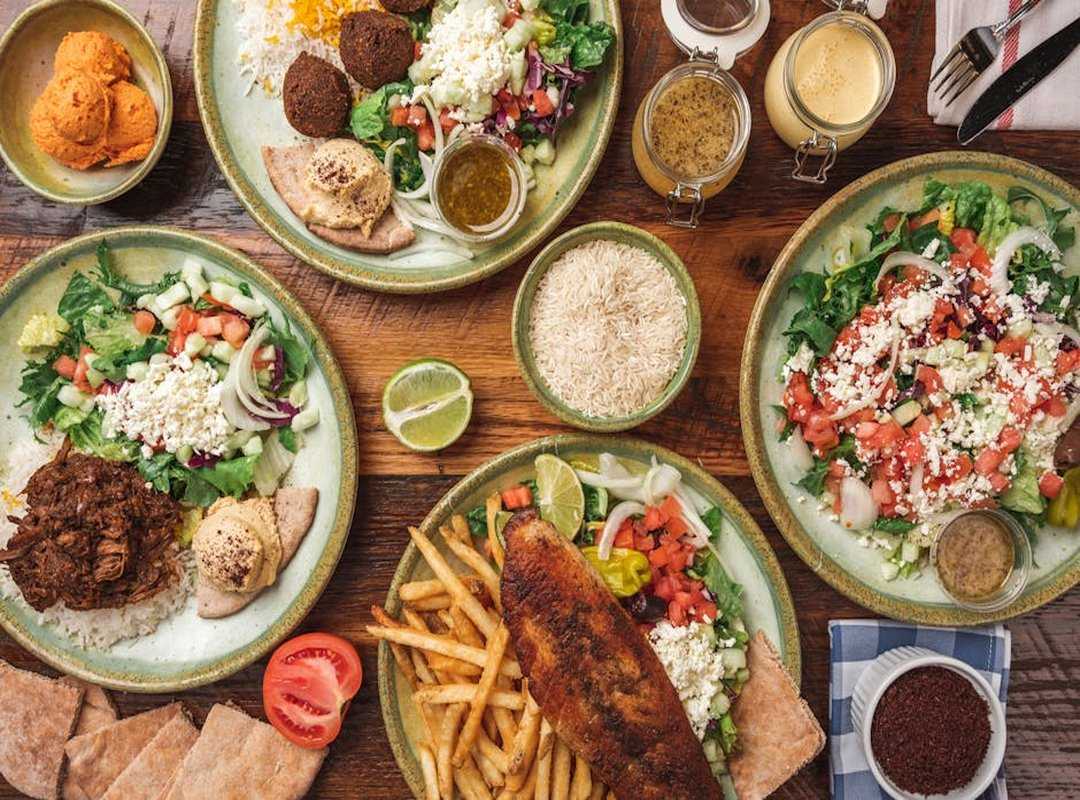
Imagine the sun warming your skin as you stroll along a Mediterranean coastline. The air is filled with the earthy scent of olive groves and the lively chatter of market vendors selling lively produce. Sounds dreamy, right?
Yet, when it comes to the actual food, many of us get stuck. Mediterranean cuisine is diverse, often oversimplified to pasta or gyros. But there’s so much more to this world.
I’ve spent years delving into food’s fundamentals and cultural traditions, truly understanding what makes a dish not just sustenance but a piece of history. You deserve a guide that does the same. This article will be your map, revealing the philosophy, ingredients, and techniques that make up this rich culinary mix.
Start on your Mediterranean cuisine journey with confidence and insight.
Beyond Greece and Italy: Defining the True Mediterranean Palate
When people talk about Mediterranean cuisine, they usually picture Greek salads or Italian pasta. But this food isn’t just one thing. It’s a mix of cultures and flavors that stretches from Southern Europe to North Africa.
Ready to dive into this Mediterranean cuisine journey?
Take Southern Europe. Spain, France, Italy, Greece. Each has its own twist.
Think of Italy’s pasta, France’s bouillabaisse, Spain’s tapas. But wait, there’s more. The Eastern Mediterranean, or the Levant (Turkey,) Syria, Lebanon, Israel.
Leans heavily on tahini, sumac, and fresh herbs. These flavors are bold, tangy, and distinct.
Now, shift to North Africa. Morocco, Algeria, Tunisia, Egypt. Here, preserved lemons and warm spices like cumin and coriander dominate.
Ever had a tagine? If not, you’re missing out.
But what ties these diverse regions together? It’s the magic trinity: high-quality olive oil, bright lemon acidity, and pungent garlic. These three ingredients are the bedrock.
Without them, you miss the essence of the Mediterranean.
Understanding this diversity is important. You can’t lump it all under “Mediterranean.” It’s about geography and history. It’s about people.
Curious about other global flavors? You might find a similar depth in Exploring Authentic Mexican Flavors. It’s fascinating to see how different cuisines hold layers of complexity.
So, next time you think about Mediterranean food, go beyond the clichés. Explore the full spectrum. Appreciate each region for its unique contribution.
That’s the real Mediterranean experience.
Mediterranean Pantry Essentials: Raise Your Cooking
Stocking your pantry for the Mediterranean cuisine journey starts with oils and vinegars. You can’t underestimate the power of a good extra-virgin olive oil. Use it to finish dishes with flair.
For cooking, a standard olive oil works wonders. Don’t forget red wine vinegar; it adds that tangy punch we’re all craving.
Now, herbs. Fresh or dried? That’s the question.
On to spices and aromatics. Ever tried sumac? It’s a game-changer with its zesty kick.
Fresh herbs like parsley and mint bring brightness to salads. Dried oregano, rosemary, and thyme are your go-tos for slow-cooked stews. They’re like the backup singers that make the star shine brighter.
Za’atar is another must: sprinkle it on pretty much everything. Cumin and smoked paprika? You can’t make a proper dish without them.
Onions and capers? They’re like the unsung heroes, adding depth and complexity that’ll blow your taste buds away.
Do legumes and grains sound boring? They’re not. Chickpeas, lentils, and fava beans are the cornerstones of many dishes.
Think hummus, soups, and salads. Couscous and bulgur round out your pantry, offering versatility and texture.
Feeling overwhelmed? Check out this overview for more on where these flavors come from. It’ll give you the background and confidence to get going.
So, are you ready to dive into this culinary adventure? Keep your pantry stocked and you’re halfway there. Pro tip: Always taste as you go.
It’s the only way to know when you’ve hit the flavor jackpot.
Mastering the Methods: Sun-Kissed Kitchen Secrets
When I think of the Mediterranean, I don’t think of recipes. I think of techniques. It’s not about some secret list of ingredients.

It’s about how you use them. to what truly makes this cuisine tick.
Grilling and charring are your best friends here. Ever tossed bell peppers or eggplants over high heat? The sweetness that comes out is unreal. Same goes for seafood. The trick is direct heat. You want that char, that caramelization. It’s like magic on your plate.
Next up, braising and stewing. This is where patience pays off. You take those tougher cuts of meat or hearty beans and let them simmer with wine, broth, and aromatics.
I’ve spent hours watching a pot transform ordinary ingredients into something extraordinary. It’s all about the slow cook. Tenderness is your goal here.
And then, there’s the art of the fresh salad. Forget boring lettuce. Think chopped vegetables, lively herbs, grains, and a simple lemon-oil vinaigrette.
A classic tabbouleh, for example, can be a game-changer. It’s fresh, it’s lively, and it’s oh-so-easy.
Roasting is another gem. Fish or vegetables drizzled with olive oil, sprinkled with herbs, and roasted to perfection. Simple yet elegant.
This technique brings out flavors you didn’t know existed.
The beauty of this Mediterranean cuisine journey is in its simplicity and technique, not in complexity. It’s a philosophy, really. And if you’re curious about other cultural food wonders, like Traditional Dishes Southeast Asia, there’s a whole world to explore.
The Art of Flavor: Building a Soulful Base
Ever heard of “Hinga”? It’s like a secret weapon in the kitchen. This isn’t just some fancy culinary term.
It’s a technique that creates a foundational flavor base. You know when a dish just hits you right in the soul? That’s Hinga doing its magic.
I remember the first time I stumbled upon this. I was making a Moroccan tagine, and it felt like I was on a Mediterranean cuisine journey. It starts with sweating aromatics like onions, garlic, and celery in olive oil.
You let them become soft and deeply fragrant. Don’t rush it. This is where patience pays off.
Then, you layer flavors by adding tomato paste, letting it cook until it darkens.
Now, here’s where it gets interesting. You bloom spices in hot oil. This step is key.
It’s not just about dumping in some spices and hoping for the best. Let them sizzle. Let them release their essence.
Deglaze the pan with wine or broth to capture all those flavors stuck to the bottom.
And let’s not forget about umami. Anchovies, preserved lemons, or sun-dried tomatoes add that savory complexity. Ever notice how these ingredients make everything more satisfying?
There’s a reason for that. It’s the depth they bring.
Imagine making a hearty lentil soup. Following these steps transforms simple ingredients into something extraordinary. It’s like alchemy.
These layers of flavor build a dish that’s not just food but an experience. Try it. Your taste buds will thank you.
Start on Your Flavor Adventure
Now you’re equipped to dive into the real essence of Mediterranean cooking. It’s not just another culinary trend. It’s a Mediterranean cuisine journey filled with genuine diversity.
You’ve got the essentials: pantry staples, core techniques, and that secret to rich, deep flavors.
Feeling overwhelmed by Mediterranean dishes? That’s history. You’ve got a clear path now.
This isn’t about just following recipes. It’s about understanding and creating. So, what are you waiting for?
Pick one technique or ingredient from this guide and play with it this week.
Experiment, taste, and let your intuition lead. Your kitchen is now your playground. Ready to taste the world?
Step up your game and explore more. Dive into other cultural cuisines and discover the endless flavors waiting for you.
 Zayric Orlandis is the kind of writer who genuinely cannot publish something without checking it twice. Maybe three times. They came to recipe adaptation ideas through years of hands-on work rather than theory, which means the things they writes about — Recipe Adaptation Ideas, Global Food Fundamentals, Hinga Flavors and Traditions, among other areas — are things they has actually tested, questioned, and revised opinions on more than once.
That shows in the work. Zayric's pieces tend to go a level deeper than most. Not in a way that becomes unreadable, but in a way that makes you realize you'd been missing something important. They has a habit of finding the detail that everybody else glosses over and making it the center of the story — which sounds simple, but takes a rare combination of curiosity and patience to pull off consistently. The writing never feels rushed. It feels like someone who sat with the subject long enough to actually understand it.
Outside of specific topics, what Zayric cares about most is whether the reader walks away with something useful. Not impressed. Not entertained. Useful. That's a harder bar to clear than it sounds, and they clears it more often than not — which is why readers tend to remember Zayric's articles long after they've forgotten the headline.
Zayric Orlandis is the kind of writer who genuinely cannot publish something without checking it twice. Maybe three times. They came to recipe adaptation ideas through years of hands-on work rather than theory, which means the things they writes about — Recipe Adaptation Ideas, Global Food Fundamentals, Hinga Flavors and Traditions, among other areas — are things they has actually tested, questioned, and revised opinions on more than once.
That shows in the work. Zayric's pieces tend to go a level deeper than most. Not in a way that becomes unreadable, but in a way that makes you realize you'd been missing something important. They has a habit of finding the detail that everybody else glosses over and making it the center of the story — which sounds simple, but takes a rare combination of curiosity and patience to pull off consistently. The writing never feels rushed. It feels like someone who sat with the subject long enough to actually understand it.
Outside of specific topics, what Zayric cares about most is whether the reader walks away with something useful. Not impressed. Not entertained. Useful. That's a harder bar to clear than it sounds, and they clears it more often than not — which is why readers tend to remember Zayric's articles long after they've forgotten the headline.