
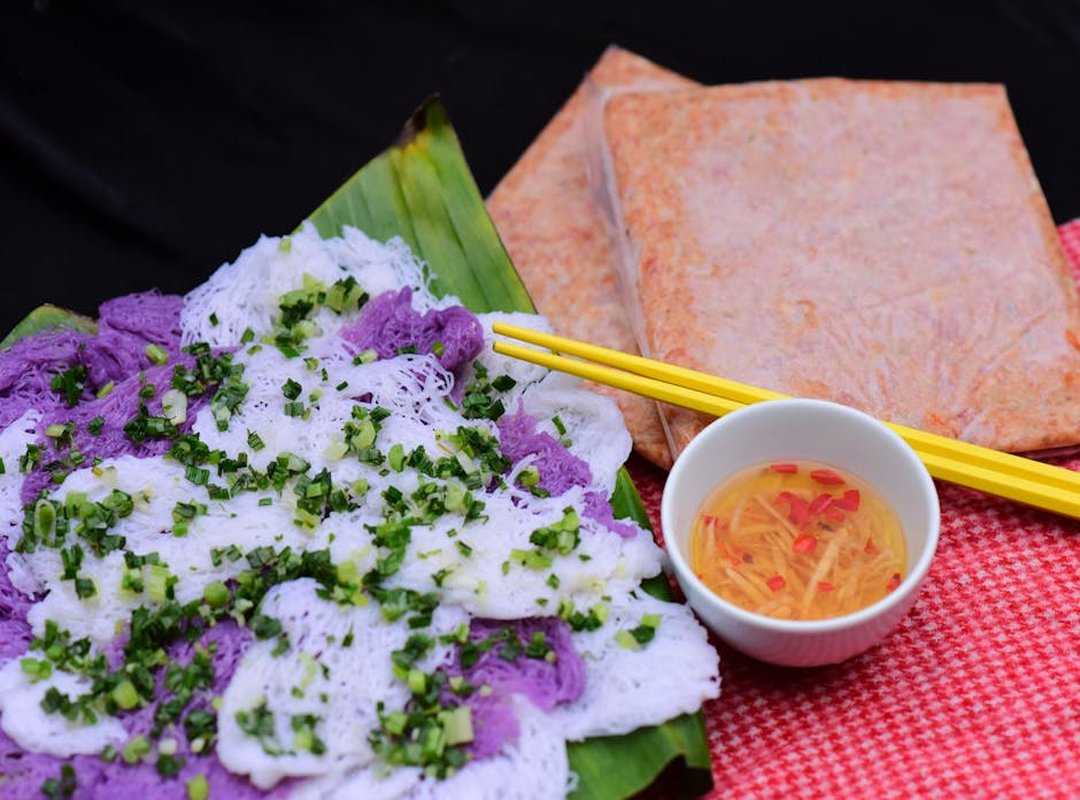
Imagine stepping into a Southeast Asian food market. The air’s thick with chaos and mouthwatering smells. Tempting, right?
But also overwhelming. You stand there, unsure where to start. It’s a problem I know well.
The world of traditional dishes Southeast Asia offers is massive and a bit intimidating.
That’s why I’ve written this article. Think of it as your flavor map, not just another list. We’ll dive into the must-try dishes and the core flavors that make them unforgettable.
My deep passion for exploring global cuisines and digging into food stories backs this guide, so you’re in good hands.
By the end, you’ll confidently get through menus and be ready for your own culinary adventure. Ready to explore? Let’s get started.
Flavor Explosion: Why Southeast Asian Food Stands Out
Ever wondered why traditional dishes Southeast Asia pop on your palate? It’s a magical balance of flavors. Let me break it down.
There’s sweet, sour, salty, spicy, and the often-misunderstood umami. Sweetness usually comes from sugar or palm sugar. It’s not about making things sugary; it’s about enhancing other flavors subtly.
Sourness cuts through the richness, brightening everything. Lime, tamarind, and calamansi do this job perfectly. They add a tangy kick that’s not just refreshing but downright important.
You know that zing you feel? Thank these ingredients for it.
Now, salty and umami intertwine like a well-rehearsed dance. Fish sauce (nuoc mam or nam pla) is the savory backbone of many dishes. Without it, everything falls flat. It’s like drumming without a beat.
Then, there’s the fiery embrace of spice. Southeast Asia doesn’t shy away from heat. Chilies, in every color and shape, go from mild to wild.
They’re used in pastes, sauces, and sometimes just sprinkled on top for good measure. It’s all about that kick!
Don’t forget the aromatic and herbaceous notes. Lemongrass, galangal (think peppery ginger), kaffir lime leaves, cilantro, and mint add layers of aroma that dance around your senses.
This balance makes the cuisine unforgettable and is a key reason why street food marvels are so beloved. It’s not just food; it’s an experience.
Noodle Nirvana: Iconic Dishes to Slurp and Savor
Noodles are everywhere in Southeast Asia. And let me tell you, they’re more than just a meal. They’re an experience.
You think about “traditional dishes Southeast Asia” and noodles pop right to the front. Each country gives its own twist, making noodles a beloved staple throughout the region. Does it get better than that?
First up, Pho from Vietnam. It’s not just a soup. It’s a ritual.
The broth is the heart, simmered for hours to get that clean, aromatic punch. Flat rice noodles swim in it, topped with either beef or chicken. Then, there’s the plate of fresh herbs on the side.
Basil, mint, lime. You name it, you toss it in. The broth does the heavy lifting, and you reap the reward.
Next, we dive into Laksa, that rich, spicy, coconut-based noodle soup from Malaysia and Singapore. It’s like a warm hug with a kick. There are variations (like curry laksa), but the creaminess of coconut milk ties it all together.
It’s spicy, but not overwhelming. It’s complex, but in the best way.
And let’s not forget about Pad Thai from Thailand. Everyone knows it. Everyone loves it.
Stir-fried noodles that are sweet, sour, and savory all at once. Palm sugar, tamarind, and fish sauce do a dance, topped with crunchy peanuts. It’s the ultimate crowd-pleaser.
Hungry yet? If you’re curious to explore more, check out the best food in asia. Trust me, your taste buds will thank you.
Comfort in a Bowl: A Tour of Regional Curries
Curry in Southeast Asia is like a chameleon. It changes from one region to another, from soupy to dry, mild to intensely spicy. You ever try Thai Green Curry?
It’s a lively feast for the senses. Fresh green chilies and lemongrass make it pop, while coconut milk adds that sweet, soupy touch. Some people find it too sweet, but I think that’s the point.
Now, let’s talk about Beef Rendang. This Indonesian and Malaysian delight is the polar opposite of the Thai version. It’s a ‘dry’ curry.
It’s different, and it knows it.
You slow-cook the coconut milk and spice paste until they hug the beef like a warm, spicy blanket. The flavor depth here is mind-blowing. Each bite tells a story.
I mean, if you’re into that kind of culinary drama.
Then there’s Cambodian Fish Amok. You ever heard of a curry that’s more like a steamed fish mousse? It’s got this custard-like texture, thanks to a spice paste called ‘kroeung.’ Wrapped in a banana leaf bowl, it’s as much a feast for the eyes as it is for the taste buds.
It’s subtle, but that’s what makes it special. It’s the kind of traditional dish that whispers instead of shouts.
Want to explore more global cuisines? Check out this journey through mediterranean cuisine for another taste adventure. Each of these traditional dishes from Southeast Asia offers its own flavor universe.
So, what are you waiting for? Dive in and find your favorite.
Eat Like a Local: Can’t-Miss Street Food Stars
If you really want to grasp the heart of Southeast Asia’s cuisine, you need to hit the streets. The true pulse? It’s in the traditional dishes Southeast Asia has to offer.
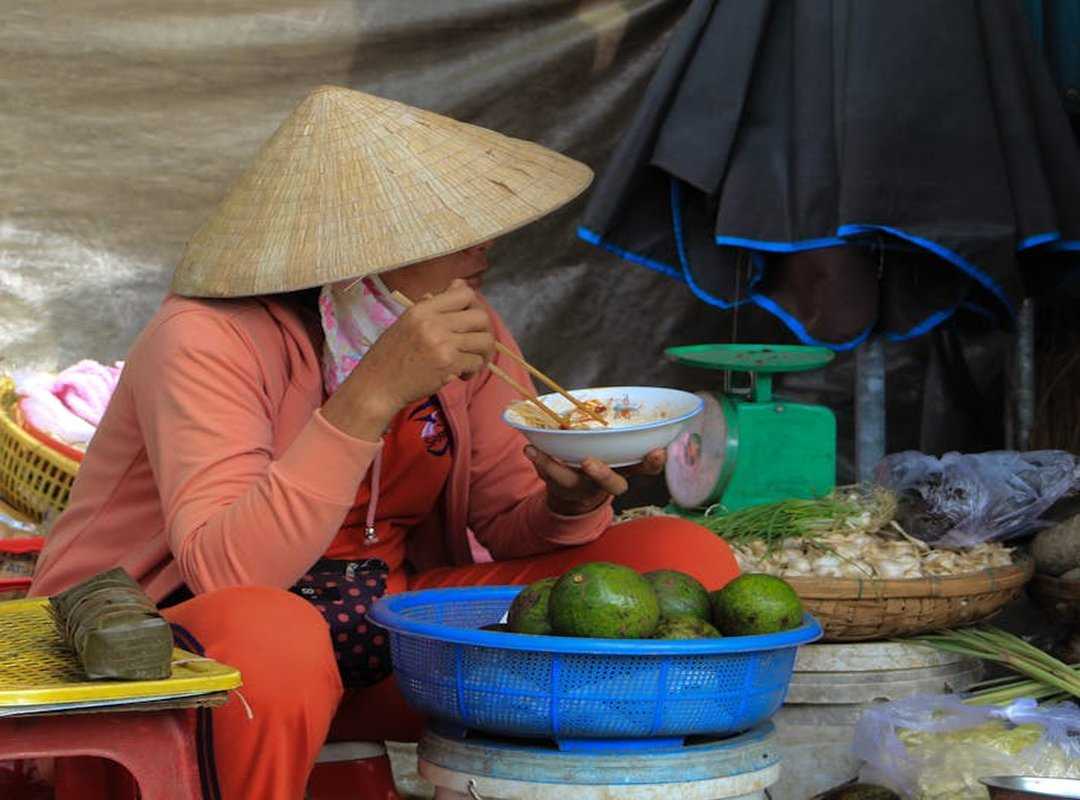
Not in fancy restaurants or overpriced cafes. But right there on bustling street corners and lively markets.
Let’s start with satay skewers. Picture this: marinated chicken, beef, or pork sizzling over hot coals. The aroma is intoxicating.
But hold on. Don’t forget the peanut sauce. That chunky, rich sauce is where the magic lies.
It’s the kind of sauce that makes you question every other dip you’ve tasted. You’ve got to try it.
Next up, Banh Mi. What a glorious fusion of cultures. Take a French baguette, add Vietnamese flavors like grilled pork, pâté, pickled vegetables, and fresh cilantro.
It’s a sandwich that doesn’t play by the rules. It’s crunchy, it’s savory, it’s everything a sandwich should be. Some people might argue it’s the best thing to come out of French colonial influence (and) honestly, who could disagree?
Now for something lighter: fresh spring rolls, or Gỏi Cuốn. These rolls are the healthy snack that pops into your mind when think of balance on the go. Wrapped in translucent rice paper, they come filled with shrimp, pork, herbs, and vermicelli noodles.
Dunk them in a savory peanut or fish sauce-based dip. It’s one of those rare foods that’s both satisfying and guilt-free.
The street is where real food adventures happen. And these are just the stars waiting to make their debut in your culinary diary.
Sweet Finishes & Signature Sips: A Flavorful Journey
Why separate dessert when it can be part of the whole experience? Take Mango Sticky Rice for instance. It’s not just a sweet treat but a dance of flavors.
The glutinous rice soaks up the creamy coconut milk sauce, and when paired with fresh, ripe mango, it becomes a masterpiece of traditional dishes Southeast Asia. Now, let’s talk drinks. Vietnamese Iced Coffee (Cà phê sữa đá) is a must-try.
It’s this unique blend of strong, dark-roast coffee dripping over sweetened condensed milk, then poured over ice. It’s like a refreshing wake-up call in a glass.
Dive Into Southeast Asian Flavors
You’ve got your flavor map. Now, you’re ready to explore traditional dishes Southeast Asia has to offer. Understand those core flavors and dive in with confidence.
Visit that local restaurant or make some fresh spring rolls at home. Go ahead, taste the world. Hungry yet?
Start your adventure.
 Ask Pearlishel Vining how they got into culinary pulse and you'll probably get a longer answer than you expected. The short version: Pearlishel started doing it, got genuinely hooked, and at some point realized they had accumulated enough hard-won knowledge that it would be a waste not to share it. So they started writing.
What makes Pearlishel worth reading is that they skips the obvious stuff. Nobody needs another surface-level take on Culinary Pulse, Cultural Cuisine Explorations, Global Food Fundamentals. What readers actually want is the nuance — the part that only becomes clear after you've made a few mistakes and figured out why. That's the territory Pearlishel operates in. The writing is direct, occasionally blunt, and always built around what's actually true rather than what sounds good in an article. They has little patience for filler, which means they's pieces tend to be denser with real information than the average post on the same subject.
Pearlishel doesn't write to impress anyone. They writes because they has things to say that they genuinely thinks people should hear. That motivation — basic as it sounds — produces something noticeably different from content written for clicks or word count. Readers pick up on it. The comments on Pearlishel's work tend to reflect that.
Ask Pearlishel Vining how they got into culinary pulse and you'll probably get a longer answer than you expected. The short version: Pearlishel started doing it, got genuinely hooked, and at some point realized they had accumulated enough hard-won knowledge that it would be a waste not to share it. So they started writing.
What makes Pearlishel worth reading is that they skips the obvious stuff. Nobody needs another surface-level take on Culinary Pulse, Cultural Cuisine Explorations, Global Food Fundamentals. What readers actually want is the nuance — the part that only becomes clear after you've made a few mistakes and figured out why. That's the territory Pearlishel operates in. The writing is direct, occasionally blunt, and always built around what's actually true rather than what sounds good in an article. They has little patience for filler, which means they's pieces tend to be denser with real information than the average post on the same subject.
Pearlishel doesn't write to impress anyone. They writes because they has things to say that they genuinely thinks people should hear. That motivation — basic as it sounds — produces something noticeably different from content written for clicks or word count. Readers pick up on it. The comments on Pearlishel's work tend to reflect that.