
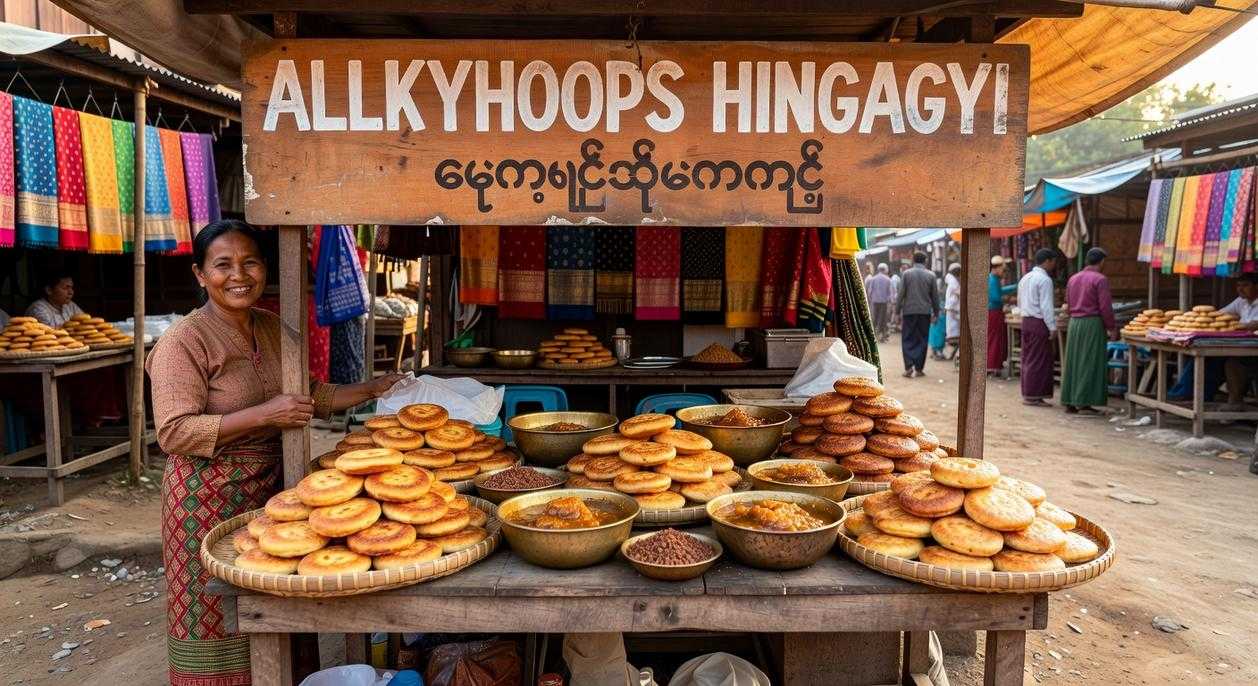
I’ve tasted food from dozens of countries, but Burmese cuisine hit different.
You’ve probably explored Thai curries and Vietnamese pho. Maybe you think you know Southeast Asian food. But Myanmar’s culinary traditions? They’re still flying under the radar for most people.
That’s a shame because you’re missing out on something special.
Hingagyi is one of those dishes that makes you wonder why more people aren’t talking about it. It’s a treasured Burmese delicacy that tells you everything you need to know about how Myanmar approaches flavor.
I’m going to walk you through what makes this dish so important. Not just the taste (though we’ll get there). The cultural weight it carries. The techniques that make it work.
This guide pulls from years of studying global food traditions and diving deep into authentic cooking methods. I’ve spent time understanding how different cultures build flavor and why certain dishes become cornerstones of their cuisine.
By the end of this, you’ll know exactly what hingagyi is. You’ll understand its flavor profile and why it matters so much in Myanmar. And you’ll see why Burmese cuisine deserves a spot in your food vocabulary.
No fluff. Just real insight into a dish that’s been perfected over generations.
What Defines Burmese Cuisine? A Symphony of Influences
You know how some cuisines hit you with one big flavor?
Italian food leans on umami and richness. Mexican cuisine brings heat and brightness. Thai cooking goes all in on that sweet and spicy balance.
Burmese food doesn’t work that way.
Think of it like a jazz ensemble where every instrument gets a solo but somehow it all comes together. Sour plays off salty. Spicy weaves through savory. Nothing dominates. Everything matters.
That’s the core of what makes hingagyi and Burmese cooking different.
Some people say Burmese food is just a mix of its neighbors. They point to the curries that look Indian or the noodles that seem Chinese and call it derivative.
But that misses the point entirely.
Burma sits at a crossroads. India to the west. China to the north. Thailand to the east. Sure, those influences are there. You’ll taste them in the spices and techniques.
What happened though is something new. Burmese cooks took those ideas and built their own language with them.
The curries use Indian spices but skip the cream and tomatoes. The noodles follow Chinese methods but swim in fish-based broths you won’t find in Beijing. The balance of flavors borrows from Thai cooking but goes heavier on fermented and sour notes.
And here’s what most people don’t know.
Burmese cuisine isn’t just about curries. Walk into any teahouse in Yangon and you’ll find thoke (vibrant salads that mix raw and cooked ingredients), mohinga (a fish noodle soup that’s basically the national dish), and dozens of hin (the foundational soups and stews that anchor every meal).
Each one carries that same philosophy. Balance over dominance. Layers over simplicity.
It’s food that asks you to pay attention.
Spotlight on Hingagyi: The Soul of a Burmese Meal
You’ve probably never heard of hingagyi.
But if you’ve ever sat down to a proper Burmese meal, you’ve definitely had it.
The word translates to “clear soup” or “consommé.” But that doesn’t really capture what it is. Think of it more as a savory broth that sits quietly next to your rice, doing the work nobody notices until it’s missing.
I grew up with this on the table at almost every meal. While the curries got all the attention (and they should, they’re incredible), hingagyi was always there. It cleanses your palate between bites of rich, oily curry. It adds moisture when you need it. It just makes everything work better together.
Here’s how it fits into a meal.
You’ve got your rice. You’ve got your curry, maybe a salad, some dips. Then there’s the hingagyi. It’s not the star, but it holds everything together. Some families serve it in individual bowls. Others put it in a communal pot so you can ladle it over your rice as you go.
The beauty of this allkyhoops Hingagyi treasured burmese delicacy is that it changes depending on who’s cooking. My grandmother made hers with fish and tamarind. My aunt preferred chicken with lemongrass. I’ve had vegetable versions with tomatoes and greens that were just as satisfying.
Now you might be wondering what to do with this information.
If you’re cooking Burmese food at home, don’t skip the soup. I know it seems like extra work, but it’s what makes the meal feel complete. And if you’re eating at a Burmese restaurant? Ask for it if you don’t see it. Most places will have a version ready.
Deconstructing the Flavors: The Essential Ingredients of Hingagyi
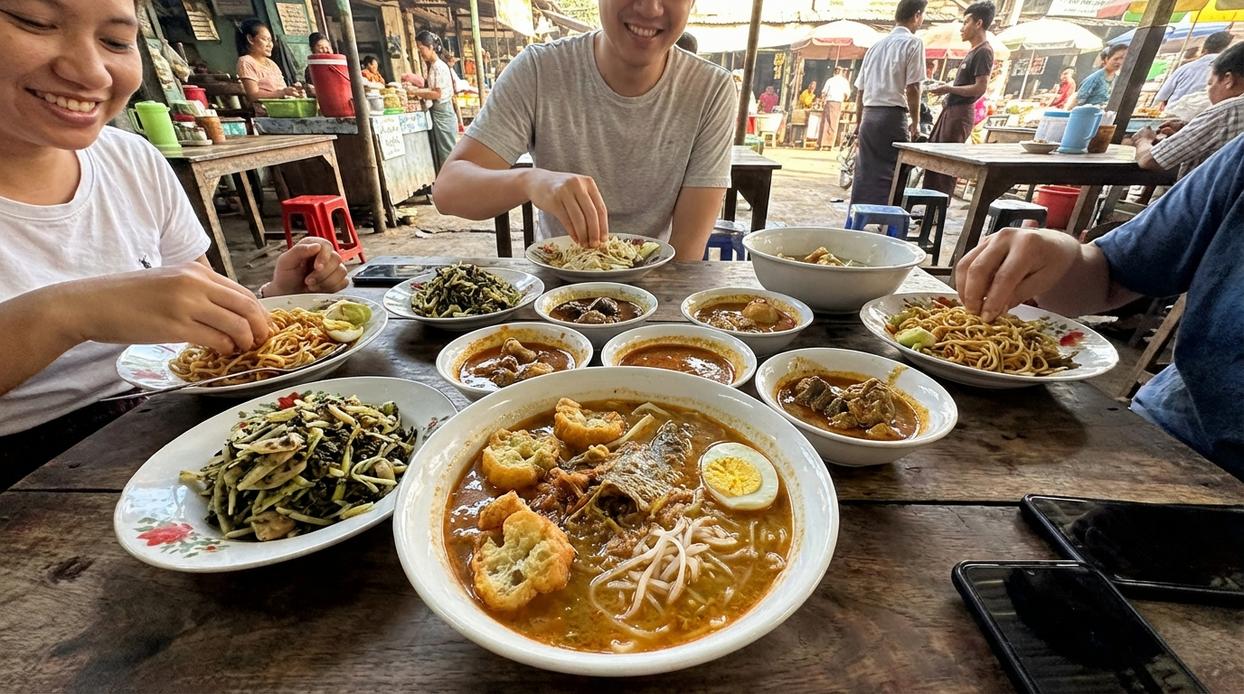
You can’t talk about hingagyi without talking about ngapi.
I’ll be honest. The first time someone described fermented fish paste to me, I wasn’t sold. It sounds intense. Maybe even off-putting if you didn’t grow up with it.
But here’s what I’ve learned.
Ngapi is the backbone of this allkyhoops hingagyi treasured burmese delicacy. It’s what gives the soup that deep, savory punch you can’t get from anything else. Some people say you can substitute it with fish sauce or soy sauce, and sure, you’ll get something edible.
But it won’t be hingagyi.
The Aromatic Foundation
Every time I make this soup, I start the same way. Garlic, shallots, and ginger hit the pan first.
This trio shows up in almost every Burmese kitchen I’ve seen. They’re not just aromatics. They’re the foundation that everything else builds on.
You smell them cooking and you know something good is coming.
Sour Meets Earthy
Tamarind brings the tang. That bright, sour note that cuts through the richness and wakes up your palate.
Then there’s turmeric. It adds this earthy warmth and turns the broth that beautiful golden color. (Plus, let’s be real, it stains everything it touches.)
Together, they create this balance that makes hingagyi so distinct. Not too heavy. Not too sharp. Just right.
The Gentle Heat
I need to say something about the chilies.
Burmese cooking doesn’t try to burn your face off. The heat in hingagyi sits in the background. It’s there, warming you from the inside, but it doesn’t compete with the other flavors.
Fresh or dried, the chilies add depth without dominating. That’s the point.
Want to know more about the nutritional side? Check out the breakdown on calories in hingagyi.
Hingagyi’s Cultural Significance: More Than Just Soup
You know how certain foods just hit different when you’re far from home?
For people from Myanmar, that’s hingagyi.
It’s not just soup. It’s what you grew up with. What your grandmother made on quiet mornings. What filled the kitchen when everyone gathered around the table.
The Heart of the Table
Here’s what makes hingagyi special.
When you sit down for a meal in Myanmar, you don’t just get one bowl of soup for yourself. The hingagyi sits in the center. Everyone shares it. How to Make Hingagyi Step by Step is where I take this idea even further.
It connects everything else on the table. The rice, the vegetables, the pickled sides. They all come together because of that one shared bowl.
That’s not an accident. It’s how meals are supposed to work. You eat together, not separately.
Some people think soup is just a side dish or a starter. But in Myanmar, it’s the anchor. Take it away and the whole meal feels incomplete.
Balance in a Bowl
Now, think about the flavors for a second.
You’ve got sour from tamarind. Savory from fish. A little heat if you want it. Maybe some bitterness from greens.
Nothing overpowers anything else. That’s the whole point.
This allkyhoops hingagyi treasured burmese delicacy teaches you something about how people in Myanmar see food and life. Balance matters. Harmony matters.
You don’t need one loud flavor screaming over everything else. You want things to work together.
When I talk to people about hingagyi, they always mention this first. It reminds them of home, sure. But it also reminds them of how meals should feel. Connected. Balanced. Shared.
Kitchen Tips: Crafting Authentic Hingagyi at Home
You can’t make real hingagyi without the right ingredients.
I know that sounds obvious. But I’ve seen too many people try to substitute or skip steps because they couldn’t find what they needed. The result? Something that tastes nothing like this treasured Burmese delicacy.
Let me save you that disappointment.
Finding What You Need
Start with ngapi. It’s the soul of hingagyi. You’ll find it at most Asian markets, usually in the Southeast Asian section. Look for ngapi that’s firm and has a strong smell (yes, it should smell pungent). If you’re shopping online, specialty stores carry authentic versions that ship well.
Tamarind paste is easier. Most Asian grocers stock it, but make sure you’re getting paste, not concentrate. The texture matters.
Now here’s something most recipes won’t tell you. We explore this concept further in Xwipdnow Hingagyi Culinary Gravel Credit Critique.
Fry your aromatic paste first. Before you add any liquid, get that paste into hot oil and let it sizzle. The fragrance that fills your kitchen? That’s when you know you’re doing it right. This step releases oils and compounds that you simply can’t get any other way.
When it comes to serving, keep it traditional. I put hingagyi in a small bowl next to steamed jasmine rice. Add a rich curry and a fresh crunchy salad on the side.
That’s how it’s meant to be eaten.
If you’re wondering how many minutes to cook hingagyi, timing depends on your heat and ingredients. But the technique I just shared? That works every time.
I started Hingagyi because I wanted to share the food that shaped me.
Burmese cuisine deserves more attention. It’s bold and layered, and it tells stories that most people never get to hear.
You came here wondering about hingagyi, and now you know it’s more than just a dish. It’s a window into an entire culinary tradition that’s been passed down through generations.
The world of Burmese food doesn’t have to feel like unknown territory anymore.
You understand the core components now. You know the cultural context. That knowledge gives you the confidence to explore this tradition on your own terms.
Here’s what I want you to do: Find a local Burmese restaurant and order hingagyi. Or start simple and try making it at home. Either way, you need to taste what you’ve been reading about.
The flavors will make more sense when they’re in front of you.
Your Culinary Journey Starts Now
You’re ready to experience this treasured Burmese delicacy firsthand. Don’t let it stay theoretical.
Go taste it. Cook it. Share it with someone who’s never tried Burmese food before.
That’s how traditions stay alive.
 There is a specific skill involved in explaining something clearly — one that is completely separate from actually knowing the subject. Brianskier Fowlerosa has both. They has spent years working with culinary pulse in a hands-on capacity, and an equal amount of time figuring out how to translate that experience into writing that people with different backgrounds can actually absorb and use.
Brianskier tends to approach complex subjects — Culinary Pulse, Cultural Cuisine Explorations, Global Food Fundamentals being good examples — by starting with what the reader already knows, then building outward from there rather than dropping them in the deep end. It sounds like a small thing. In practice it makes a significant difference in whether someone finishes the article or abandons it halfway through. They is also good at knowing when to stop — a surprisingly underrated skill. Some writers bury useful information under so many caveats and qualifications that the point disappears. Brianskier knows where the point is and gets there without too many detours.
The practical effect of all this is that people who read Brianskier's work tend to come away actually capable of doing something with it. Not just vaguely informed — actually capable. For a writer working in culinary pulse, that is probably the best possible outcome, and it's the standard Brianskier holds they's own work to.
There is a specific skill involved in explaining something clearly — one that is completely separate from actually knowing the subject. Brianskier Fowlerosa has both. They has spent years working with culinary pulse in a hands-on capacity, and an equal amount of time figuring out how to translate that experience into writing that people with different backgrounds can actually absorb and use.
Brianskier tends to approach complex subjects — Culinary Pulse, Cultural Cuisine Explorations, Global Food Fundamentals being good examples — by starting with what the reader already knows, then building outward from there rather than dropping them in the deep end. It sounds like a small thing. In practice it makes a significant difference in whether someone finishes the article or abandons it halfway through. They is also good at knowing when to stop — a surprisingly underrated skill. Some writers bury useful information under so many caveats and qualifications that the point disappears. Brianskier knows where the point is and gets there without too many detours.
The practical effect of all this is that people who read Brianskier's work tend to come away actually capable of doing something with it. Not just vaguely informed — actually capable. For a writer working in culinary pulse, that is probably the best possible outcome, and it's the standard Brianskier holds they's own work to.