
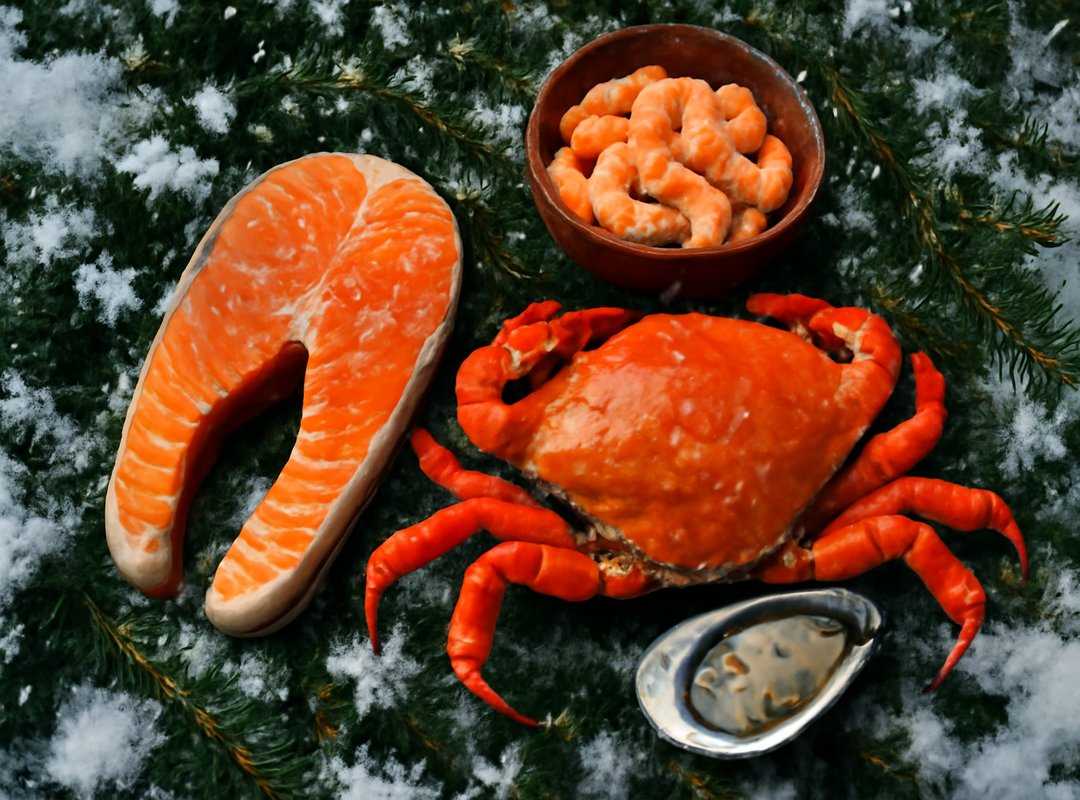
Standing at the seafood counter, overwhelmed by choices. Wild-caught? Farm-raised?
You just want to enjoy some fish without destroying the ocean. But how can you be sure what’s right when every label feels like a language test? You’re not alone.
I’ve stood there too, scratching my head over what’s truly sustainable seafood.
I’ve spent years diving into global food traditions, learning from chefs and fishmongers (and yes, making mistakes). You don’t need a marine biology degree to make eco-friendly choices. It’s simpler than you’d think.
This guide is your roadmap. I’ll walk you through understanding those baffling labels, asking the right questions, and uncovering seafood that’s delicious and planet-friendly. Trust me, by the end, you’ll know exactly what to do.
Let’s break down the truth behind the fish counter together.
Eco-Friendly Seafood: What Is It, Really?
Let’s talk about sustainable seafood. It’s a buzzword, sure, but what does it actually mean? Imagine two scenarios: tending a garden and foraging in a forest.
Both can be done responsibly or recklessly.
First, wild-caught fish. Think of it as foraging. You want to gather just enough to sustain yourself without wiping out the forest (or in this case, the ocean).
It means catching fish without overfishing and minimizing bycatch (those unintended catches like turtles or dolphins). You don’t want to empty the ocean, right?
Now, consider farm-raised fish, which is more like gardening. You’re raising fish in controlled conditions, aiming to keep them healthy without polluting the water or threatening wild fish. A clean, healthy fish farm is the goal, but it’s not always the reality.
Neither wild-caught nor farm-raised fish is inherently good or bad. It’s all about the practices used. The same principle applies to the rise of plant-based proteins, where specific farming methods make the difference.
So, does eco-friendly seafood mean a guilt-free dinner plate? Not really. It’s about making informed choices based on the methods behind the label.
Let’s be real: knowing where your food comes from matters.
Decoding the Labels: Your Simple Supermarket Cheat Sheet
When you’re wandering the aisles, unsure if you’re really making a difference with your choices, it helps to have a quick guide. A cheat sheet, if you will. Especially with all the buzzwords thrown around like “sustainable seafood.” It’s more than just a trendy phrase; it’s a key choice for our oceans.
Here’s the deal: not all labels are created equal. Some are just marketing fluff, while others actually mean something. The Marine Stewardship Council (MSC) is one you can trust.
Look for their blue label on wild-caught fish. It guarantees the fish were caught sustainably, without damage to the ocean’s ecosystems. Think of it as your go-to seal of approval for wild fish.
Now, for farmed seafood, the Aquaculture Stewardship Council (ASC) or Best Aquaculture Practices (BAP) are your best bets. These certifications mean the farms follow strict standards for environmental and social responsibility. They’re not just greenwashing.
ASC’s turquoise logo and BAP’s standards tell you the seafood was farmed with care, not just profit in mind.
If you only remember one thing, let it be this: look for the blue MSC checkmark on wild fish and the turquoise ASC logo on farmed fish. It’s like having a secret weapon in your shopping cart. Next time you’re at the store, armed with this cheat sheet, you’ll make quick, confident decisions.
And maybe even feel a little smug about it (I know I do). Because you’ve got the power to choose right.
Beyond the Labels: Smart Questions for Your Fishmonger
You know that moment at the fish counter when everything looks fresh, but you feel lost because the labels are more confusing than helpful? Yeah, me too. It’s like trying to decipher an ancient scroll sometimes.
But listen, a good fishmonger (yes, they exist) should answer a few simple questions. These aren’t confrontational (they’re) empowering.
First, ask “Where is this from?” U.S. and Canadian fisheries often have their act together, making them a safer choice than some other places. It’s about understanding sustainable seafood and making better choices. Next, “How was it caught?” Wild fish methods matter.
Answers like “pole-and-line” or “troll-caught” are golden. They show care for the ocean. In contrast, “bottom trawling” is brutal (think ocean floor destruction).
And the classic question: “Is this farmed or wild?” Knowing this helps you apply any label knowledge you have. A fishmonger who gives you clear answers tells you a lot about their seafood. Simply asking these questions shows sellers you care.
It’s a solid message without a wordy speech.
I’ve found that asking questions like these gets you better fish but can also make the guy across the counter step up his game. If you enjoy exploring food culture like I do, check out New Kitchen Gadgets 2023. It’s got some fun ideas to raise your cooking experience.
Happy fish hunting!
Flavor Meets Sustainability: 5 Eco-Friendly Choices
When it comes to sustainable seafood, it’s not just about being eco-friendly. It’s about flavor too. Why settle for bland when you can have both?
Let’s talk about five tasty options that don’t just taste good but do good for our planet.
First, farmed mussels. These little guys are nature’s water filters. They clean the ocean while they grow.
How cool is that? With a sweet, briny flavor, they’re perfect for steaming in a white wine and garlic broth. Elegant and simple.
Then there’s wild Alaskan salmon. It’s rich, fatty, and downright delicious. This fish is wild-caught, helping support sustainable fishing practices.
Try it grilled with a touch of lemon. You won’t be disappointed.
U.S. farmed catfish comes next. It’s mild, versatile, and thrives in closed systems that protect natural habitats. Blackened catfish tacos?
Yes, please. You see, it’s about working with what nature gives.
Pacific cod is another winner. It’s flaky and mild, making it a hit with kids and picky eaters. Sourced from well-managed fisheries, it’s great for fish and chips.
Who doesn’t love a classic?
Lastly, farmed barramundi. This fish is often raised in recirculating systems that conserve water and land. Its buttery texture makes it ideal for baking with herbs.
Think of it as a little slice of ocean heaven.
So, there you have it. Five options that bring flavor and sustainability together. It’s not just about eating right; it’s about eating smart.
For more information on this topic, check out sustainable seafood.
The Global Plate: Ancient Wisdom on Fishing
Ever thought about how ancient cultures nailed sustainable seafood? It’s not just a buzzword. The ancient Hawaiian ‘ahupuaʻa’ system brilliantly managed land and sea in harmony.
They knew their stuff. Another standout is the Maldivian pole-and-line tuna fishing. It’s simple but effective (and still in use).
These practices are a reminder that taking care of our oceans isn’t new. While we chase modern solutions, we could learn a thing or two from these traditions. After all, keeping the balance with nature is a timeless, global tradition.
Why reinvent the wheel when history already has the answers?
Dive Into Delicious Sustainability
Choosing seafood feels like a mind game, right? But it doesn’t have to be. By focusing on a few key labels and asking simple questions, you can find sustainable seafood that satisfies both your conscience and your cravings.
It’s not about giving up what you love. It’s about discovering new flavors that make you feel good. So, here’s the challenge: this week, hunt down one sustainable option we’ve shared, try a new recipe, and see the difference for yourself.
Your taste buds will rejoice. And let’s be honest, the planet could use a little love too.
 Ask Pearlishel Vining how they got into culinary pulse and you'll probably get a longer answer than you expected. The short version: Pearlishel started doing it, got genuinely hooked, and at some point realized they had accumulated enough hard-won knowledge that it would be a waste not to share it. So they started writing.
What makes Pearlishel worth reading is that they skips the obvious stuff. Nobody needs another surface-level take on Culinary Pulse, Cultural Cuisine Explorations, Global Food Fundamentals. What readers actually want is the nuance — the part that only becomes clear after you've made a few mistakes and figured out why. That's the territory Pearlishel operates in. The writing is direct, occasionally blunt, and always built around what's actually true rather than what sounds good in an article. They has little patience for filler, which means they's pieces tend to be denser with real information than the average post on the same subject.
Pearlishel doesn't write to impress anyone. They writes because they has things to say that they genuinely thinks people should hear. That motivation — basic as it sounds — produces something noticeably different from content written for clicks or word count. Readers pick up on it. The comments on Pearlishel's work tend to reflect that.
Ask Pearlishel Vining how they got into culinary pulse and you'll probably get a longer answer than you expected. The short version: Pearlishel started doing it, got genuinely hooked, and at some point realized they had accumulated enough hard-won knowledge that it would be a waste not to share it. So they started writing.
What makes Pearlishel worth reading is that they skips the obvious stuff. Nobody needs another surface-level take on Culinary Pulse, Cultural Cuisine Explorations, Global Food Fundamentals. What readers actually want is the nuance — the part that only becomes clear after you've made a few mistakes and figured out why. That's the territory Pearlishel operates in. The writing is direct, occasionally blunt, and always built around what's actually true rather than what sounds good in an article. They has little patience for filler, which means they's pieces tend to be denser with real information than the average post on the same subject.
Pearlishel doesn't write to impress anyone. They writes because they has things to say that they genuinely thinks people should hear. That motivation — basic as it sounds — produces something noticeably different from content written for clicks or word count. Readers pick up on it. The comments on Pearlishel's work tend to reflect that.