
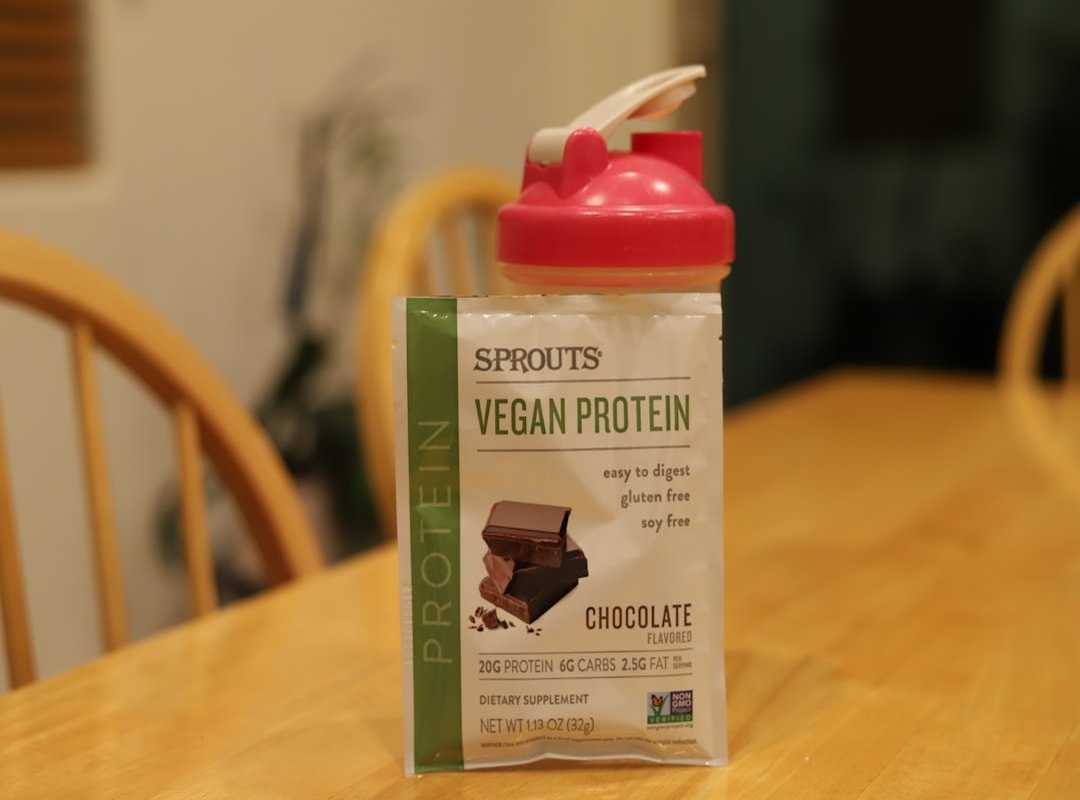
Finding tasty and satisfying plant-based proteins can feel like searching for a needle in a haystack. I get it; we all want to eat healthier without sacrificing flavor. This guide is here to fix that struggle.
You’ll get a deep dive into the best vegetable-derived proteins. Ever wonder how cultures around the world make veggies the star? We’re exploring those secrets.
I promise, by the end, you’ll have a list of protein sources and cooking tips that turn plant-based meals from bland to exciting.
Why trust this? We’ve scoured global culinary traditions to find the tastiest, most versatile options. You’ll leave knowing exactly how to make your meals both nutritious and delicious.
Ready to transform your kitchen into a plant-powered haven? Let’s get started.
First Things First: What Are Vegetable-Derived Proteins?
Ever wondered what vegetable-derived proteins are? Think of them as proteins that come from plants. Simple, right?
They don’t just give you protein. They’re packed with fiber and loads of nutrients. And let’s not forget sustainability.
Growing plants takes fewer resources than raising animals. It’s easier on the planet and the wallet. So, eating these proteins is not just good for you.
It’s good for Earth too.
Now, people often worry about “complete” vs. “incomplete” proteins. I get it, it sounds like a problem. But it’s not.
You don’t have to eat all your amino acids in one sitting. Mix and match plant foods throughout your day. It’s like using different Lego blocks to build a strong structure.
Easy, right?
Here’s a pro tip: mix beans with rice or nut butters with whole grain bread. Boom. Complete protein profile!
In our world of endless food options, finding plant-based proteins is simpler than ever. They’ve even inspired new kitchen gadgets 2023 to help you enjoy them more. Whether you’re a veggie veteran or just curious, there’s something for everyone.
Why not give them a try? This journey is a win-win. For you and the world!
The Unsung Heroes: Protein-Packed Pulses
When it comes to plant-based proteins, pulses are where it’s at. They’re the quiet champions I rely on to boost my meals without having to try too hard. Forget the hype (pulses) have been the backbone of diets around the globe for ages.
Let’s talk lentils. These tiny legumes are legendary. They cook fast, which is a lifesaver for busy nights.
One cup can serve up to 18 grams of protein. That’s a lot of muscle fuel from something so unassuming. Ever had Indian dal or Ethiopian misir wot?
They’re the kind of comfort food that wraps you in a warm hug. Want a pro tip? Season lentils with cumin or curry powder to up the flavor game.
Then there are chickpeas, or garbanzo beans if you want to sound fancy. They’re versatile. Whether blended into hummus, roasted for a crunchy snack, or tossed into stews, they’re always a good idea.
They pack around 15 grams of protein per cup. Try adding a squeeze of lemon and a dash of smoked paprika to your chickpeas. It transforms them into something you can’t stop munching on.
Let’s not forget black beans. They’re a staple in Latin American cuisine and deserve all the love they get. High in fiber, these beans can anchor a meal.
They’re fantastic in burgers, soups, or salads. Serve them with a sprinkle of lime and cilantro to bring out their earthy flavor.
Want to learn more about the plant-based protein craze? Check out this spotlight on plant based proteins. It’s an enlightening read.
In a world obsessed with meat, pulses are the underdog heroes slowly doing the work. They don’t need a flashy marketing campaign. They’re proof that good things come in small packages.
So go ahead, give them a try. You might just find yourself a new kitchen favorite.
Beyond the Bean: Exploring Soy, Grains, and Seeds
When it comes to plant-based proteins, soy is king. But to the differences: Tofu, Tempeh, and Edamame. Tofu is the versatile one.
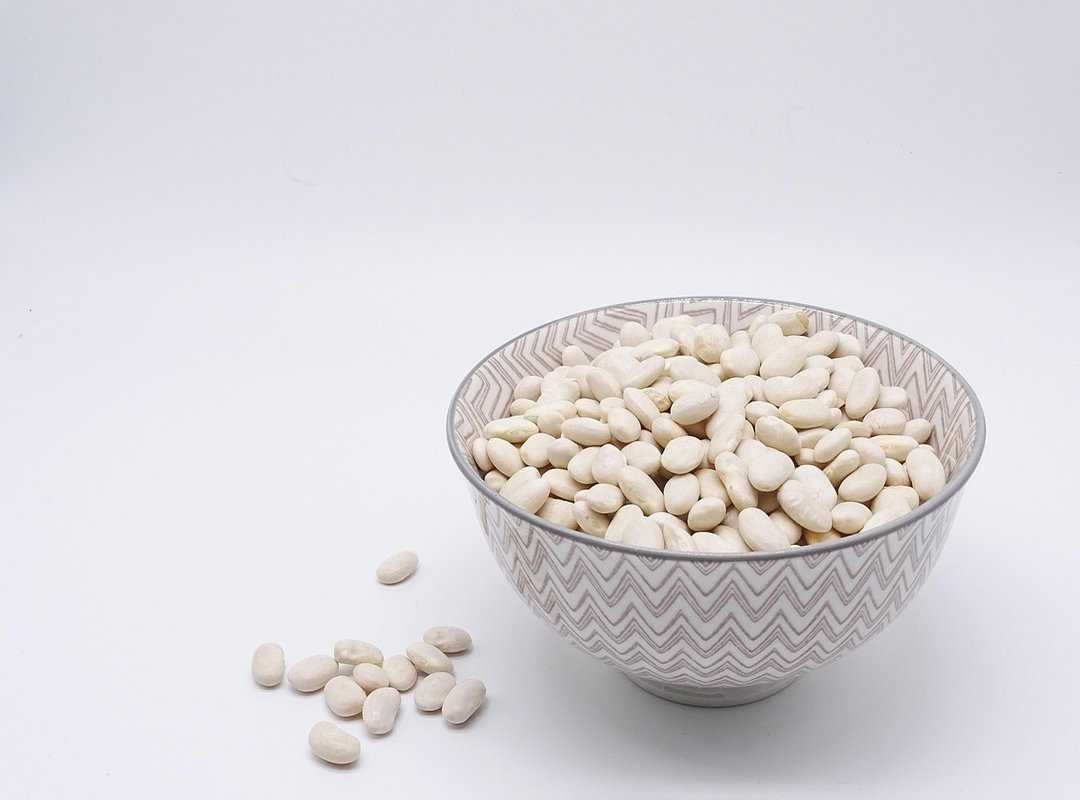
You can scramble it or toss it in a stir-fry. I’ve found it’s a sponge for flavor. Tempeh, on the other hand, is firm with a nuttier taste.
Perfect for sandwiches. And Edamame? They make for a quick snack or a salad addition.
Fun to pop open, too.
Now, don’t sleep on ancient grains like Quinoa and Spelt. Both are complete proteins. You don’t need to mix them with anything else to get a full protein profile.
Quinoa’s fluffy and great for bowls. Spelt has a chewy texture, making it fantastic in a hearty salad. These grains are not just fillers.
They stand on their own.
Seeds are the unsung heroes here. Hemp seeds, for instance, are packed with protein and easy to sprinkle on just about anything. I’ve tossed them into smoothies or sprinkled them over oatmeal.
Chia seeds? They swell up, making them perfect for puddings. And don’t forget pumpkin seeds.
Besides being a good protein source, they’re crunchy and can make a salad or soup a lot more interesting.
You might wonder how this all ties into our eating patterns. Well, with Food Delivery Apps Eating Habits, it’s easier than ever to explore these options. More people are ordering plant-based meals, and these proteins are often at the core.
So, what’s the takeaway? Variety. It’s not just about sticking to one type.
Mix them up. Try new combinations. You might just find a new favorite.
And isn’t that what exploring food is all about? Don’t stick to just beans. The world of plant-based proteins is wider and tastier than ever.
The Flavor Factor: Making Your Plant Proteins Taste Amazing
Let’s face it. Plant-based proteins can sometimes taste like cardboard. But there’s a magic formula to turn bland into bold: Fat + Acid + Seasoning.
It’s not rocket science. Think olive oil, a splash of lemon juice, and a sprinkle of smoked paprika. Simple, right?
Let’s talk tofu. It’s the blank slate of plant proteins. Marinade it with soy sauce, garlic, and ginger.
Let it soak up those flavors. You’re not just eating tofu anymore. You’re having a culinary experience.
And lentils? They’re screaming for cumin and coriander. These spices transform them from boring to brilliant.
Don’t skip the salt. It’s the unsung hero that makes flavors pop. Salty beans are happy beans.
But wait, there’s more. Ever heard of umami? It’s that savory, mouth-watering depth you get from mushrooms or nutritional yeast.
Add a dash of soy sauce, and you’ve hit the umami jackpot.
Cooking is an art, not a chore. Experiment. Mix and match.
Your taste buds will thank you. Who knew plant-based proteins could be this exciting? It’s all about how you build the flavor.
So go on, make your meals memorable.
Discover the Taste Revolution
So, you’ve finally cracked the code on plant-based proteins. It’s simple and tasty when you know what to cook and how to cook it. No more bland salads.
You’ve got your secret weapons now: pulses, grains, and a sprinkle of creativity.
Trust me, you won’t miss the meat.
Variety is your friend. Dive into the flavors you’ve been ignoring. Why settle for boring when your meals can be a feast?
This week, pick one new protein source from the list. Try it. See how easy it is to whip up something flavorful.
You’re armed with knowledge now. Don’t let it go to waste.
Feel empowered to explore. Want to escape the world of bland meals? Start cooking.
Your taste buds will thank you. Ready to turn your kitchen into a flavor factory? Let’s get started.
 Ask Pearlishel Vining how they got into culinary pulse and you'll probably get a longer answer than you expected. The short version: Pearlishel started doing it, got genuinely hooked, and at some point realized they had accumulated enough hard-won knowledge that it would be a waste not to share it. So they started writing.
What makes Pearlishel worth reading is that they skips the obvious stuff. Nobody needs another surface-level take on Culinary Pulse, Cultural Cuisine Explorations, Global Food Fundamentals. What readers actually want is the nuance — the part that only becomes clear after you've made a few mistakes and figured out why. That's the territory Pearlishel operates in. The writing is direct, occasionally blunt, and always built around what's actually true rather than what sounds good in an article. They has little patience for filler, which means they's pieces tend to be denser with real information than the average post on the same subject.
Pearlishel doesn't write to impress anyone. They writes because they has things to say that they genuinely thinks people should hear. That motivation — basic as it sounds — produces something noticeably different from content written for clicks or word count. Readers pick up on it. The comments on Pearlishel's work tend to reflect that.
Ask Pearlishel Vining how they got into culinary pulse and you'll probably get a longer answer than you expected. The short version: Pearlishel started doing it, got genuinely hooked, and at some point realized they had accumulated enough hard-won knowledge that it would be a waste not to share it. So they started writing.
What makes Pearlishel worth reading is that they skips the obvious stuff. Nobody needs another surface-level take on Culinary Pulse, Cultural Cuisine Explorations, Global Food Fundamentals. What readers actually want is the nuance — the part that only becomes clear after you've made a few mistakes and figured out why. That's the territory Pearlishel operates in. The writing is direct, occasionally blunt, and always built around what's actually true rather than what sounds good in an article. They has little patience for filler, which means they's pieces tend to be denser with real information than the average post on the same subject.
Pearlishel doesn't write to impress anyone. They writes because they has things to say that they genuinely thinks people should hear. That motivation — basic as it sounds — produces something noticeably different from content written for clicks or word count. Readers pick up on it. The comments on Pearlishel's work tend to reflect that.