
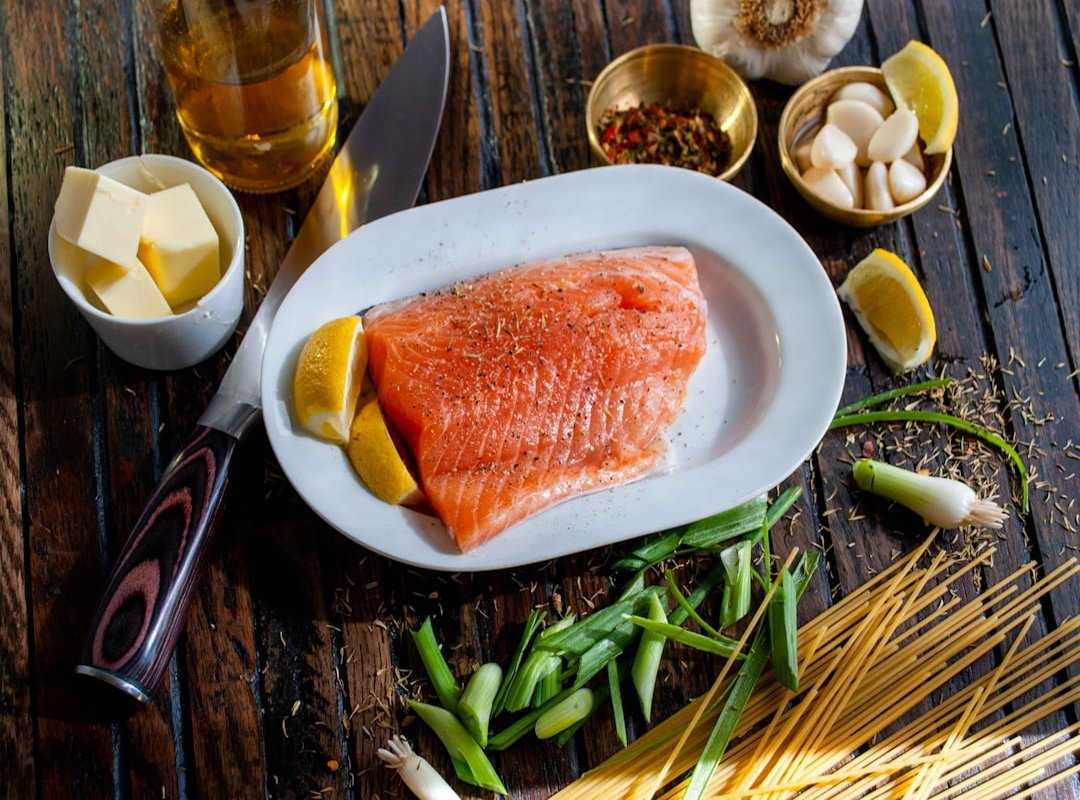
Tired of the same old low-carb meals? I get it. It’s easy to hit a rut when you’re eating the same bland food every day.
But here’s the good news: you don’t have to settle. There’s a world of flavor out there waiting to excite your taste buds. This article is your guide to low-carb meal adaptations that burst with global flair.
I’ve spent years exploring different culinary traditions, so you can trust me on this. You’ll discover how to transform your meals into lively, satisfying experiences. Ready to make low-carb eating an adventure, not a chore?
Rethinking Your Plate: Creative Swaps for Common Carbs
Missing your carb staples like rice and pasta? You’re not alone. I’ve found some low-carb meal adaptations that aren’t just basic swaps (they’re) game-changers.
Take shredded cabbage or broccoli slaw, for example. They soak up sauce like a sponge, much better than cauliflower. Picture this: a stir-fry bursting with flavor, the cabbage or slaw providing that much-needed crunch.
And then there’s heart of palm ‘pasta’ and ‘rice’. People often overlook this, but its neutral flavor and firm texture make it a perfect substitute for traditional Italian dishes. You won’t even miss the real stuff, I promise.
When it comes to lasagna, who says noodles have to be made of wheat? Sliced, roasted eggplant or zucchini make excellent layers (you won’t believe how well they hold up). And for burgers, forget the bun.
Try a large portobello mushroom cap instead. It’s satisfying and keeps the focus on what’s inside.
Uncommon Swaps Worth Trying
- Mashed turnips: A quirky twist on mashed potatoes. Boil, mash, add butter.
- Celeriac fries: Peel, slice, bake in the oven with olive oil and salt.
These swaps can open up a world of possibilities. You can even explore dairy free dessert alternatives. This is not just about cutting carbs; it’s about finding new flavors and textures.
We all want meals that excite us. Bold moves like these make cooking fun again. So go ahead, rethink your plate.
What have you got to lose?
Flavor Mastery: The Low-Carb Secret
Let me tell you something about low-carb meal adaptations. It’s not just about swapping ingredients. It’s about mastering flavor.
Think about it. If a dish doesn’t satisfy your taste buds, who cares if it’s low-carb? Does keto really work if you’re not enjoying your food?
One trick I swear by is blooming spices. You’ve got to try this. Heat your whole or ground spices like cumin, coriander, or turmeric in oil.
This releases their aromatic compounds, creating a deep, rich flavor base. It’s magic in a pan. The transformation is real.
But let’s not stop there. Building an umami foundation is key. Use tomato paste, mushrooms, and soy sauce (or tamari for a gluten-free option).
These add a savory depth that tricks your brain into thinking carbs are in the mix. Sneaky, right?
Now, let’s go global. Everyone knows garlic and onion, but have you tried adding fresh ginger, lemongrass, or even a pinch of asafoetida (hing)? These bring complex flavors to soups and curries.
It’s like taking a culinary trip around the world without leaving your kitchen. And who doesn’t love a little adventure?
Here’s a pro tip: Never underestimate the finishing touch. Fresh herbs like cilantro, parsley, and mint can add a burst of freshness. Combine that with a squeeze of lime or lemon juice, and suddenly your meal is bright and elevated.
It’s the cherry on top (but, you know, without the carbs).
If you’re curious about how high-protein, low-carb meals support weight loss without false promises, check out this health resource. It’s a game-changer for anyone looking to boost their low-carb cooking journey with real, satisfying flavors.
So, are you ready to ditch the bland and embrace the bold? Your taste buds will thank you.
Your Global Passport to Low-Carb Modifications
Ever tried transforming your favorite dishes into low-carb versions? It’s easier than you’d think. Let’s start with Indian cuisine.

When I make curry, I swap potatoes for paneer, tofu, or cauliflower. These ingredients soak up the spiced sauce just as well, keeping the carbs low. You might be asking, does it really taste the same?
Absolutely. The flavors remain, and you won’t miss the starchy potatoes.
Now, let’s hop over to East Asia. Instead of carb-heavy buns or rice paper, I use lettuce cups or nori sheets. Imagine minced chicken with ginger and soy wrapped in crisp lettuce.
It’s fresh, crunchy, and still full of flavor. You’ll wonder why you ever ate it any other way. This swap makes a huge difference, especially for those counting carbs.
Heading to the Mediterranean, building a mezze platter can be a game-changer. I ditch the pita bread and use cucumber slices, bell pepper strips, and grilled halloumi. They pair perfectly with baba ghanoush.
The result? A satisfying spread that doesn’t weigh you down. Plus, it’s a feast for the eyes and the taste buds.
Latin American cuisine is next on our list. Ever tried a ‘deconstructed’ burrito bowl? It’s a fantastic low-carb meal adaptation.
I start with cilantro-lime cauliflower rice, then add seasoned meat, salsa, avocado, and cheese. You get all the flavors of a burrito without the tortilla. It’s like a fiesta in a bowl.
These swaps aren’t just practical; they’re delicious. With a little creativity, you can enjoy global cuisines while keeping carbs in check. Want more ideas for spicing up meals flavor boosting?
Check out more tips and tricks. Pro tip: keep experimenting. You’ll discover new favorites along the way.
Who knew low-carb could be this fun?
Pulses: The Low-Carb Kitchen Secret
Who said all beans and lentils are off-limits in a low-carb diet? It’s a common misconception that gets tossed around. Sure, some pulses are higher in carbs, but let’s talk about net carbs.
You take the total carbs and subtract the fiber. Easy, right? Fiber is your friend here.
It doesn’t spike blood sugar and helps with digestion.
Now, let’s get into some specifics. Black soybeans and lupini beans are your new best friends. They’re high-protein and lower in carbs.
You can use them more freely in your meals. Ever tried a black soybean chili? Game changer.
Moderation is key. You don’t need to banish lentils or chickpeas. A small amount, like a quarter cup, can add texture and nutrients to soups, salads, or curries.
It’s a smart way to enjoy these foods without blowing your carb count.
Here’s a practical tip: try using chickpea flour (also known as besan) to make savory pancakes or crepes. They’re much lower in carbs than their wheat-based cousins. These small adjustments make a big difference in your low-carb meal adaptations.
Give it a shot and see how it works for you.
Spice Up Your Low-Carb Life
So, you made it. You’ve discovered how to tackle the blandness of low-carb eating. I get it, the same dull meals can drive anyone nuts.
But here’s the fix: embrace global flavors and smart swaps. These low-carb meal adaptations can transform your diet from dreary to delightful. Why settle for boring when you can savor every bite?
Ready to test it out? Pick one idea from this article. Maybe try blooming spices or a fresh lettuce wrap.
Experiment this week. See the difference? It’s time to break the monotony.
Your taste buds will thank you. Go cook something exciting!
 There is a specific skill involved in explaining something clearly — one that is completely separate from actually knowing the subject. Brianskier Fowlerosa has both. They has spent years working with culinary pulse in a hands-on capacity, and an equal amount of time figuring out how to translate that experience into writing that people with different backgrounds can actually absorb and use.
Brianskier tends to approach complex subjects — Culinary Pulse, Cultural Cuisine Explorations, Global Food Fundamentals being good examples — by starting with what the reader already knows, then building outward from there rather than dropping them in the deep end. It sounds like a small thing. In practice it makes a significant difference in whether someone finishes the article or abandons it halfway through. They is also good at knowing when to stop — a surprisingly underrated skill. Some writers bury useful information under so many caveats and qualifications that the point disappears. Brianskier knows where the point is and gets there without too many detours.
The practical effect of all this is that people who read Brianskier's work tend to come away actually capable of doing something with it. Not just vaguely informed — actually capable. For a writer working in culinary pulse, that is probably the best possible outcome, and it's the standard Brianskier holds they's own work to.
There is a specific skill involved in explaining something clearly — one that is completely separate from actually knowing the subject. Brianskier Fowlerosa has both. They has spent years working with culinary pulse in a hands-on capacity, and an equal amount of time figuring out how to translate that experience into writing that people with different backgrounds can actually absorb and use.
Brianskier tends to approach complex subjects — Culinary Pulse, Cultural Cuisine Explorations, Global Food Fundamentals being good examples — by starting with what the reader already knows, then building outward from there rather than dropping them in the deep end. It sounds like a small thing. In practice it makes a significant difference in whether someone finishes the article or abandons it halfway through. They is also good at knowing when to stop — a surprisingly underrated skill. Some writers bury useful information under so many caveats and qualifications that the point disappears. Brianskier knows where the point is and gets there without too many detours.
The practical effect of all this is that people who read Brianskier's work tend to come away actually capable of doing something with it. Not just vaguely informed — actually capable. For a writer working in culinary pulse, that is probably the best possible outcome, and it's the standard Brianskier holds they's own work to.