
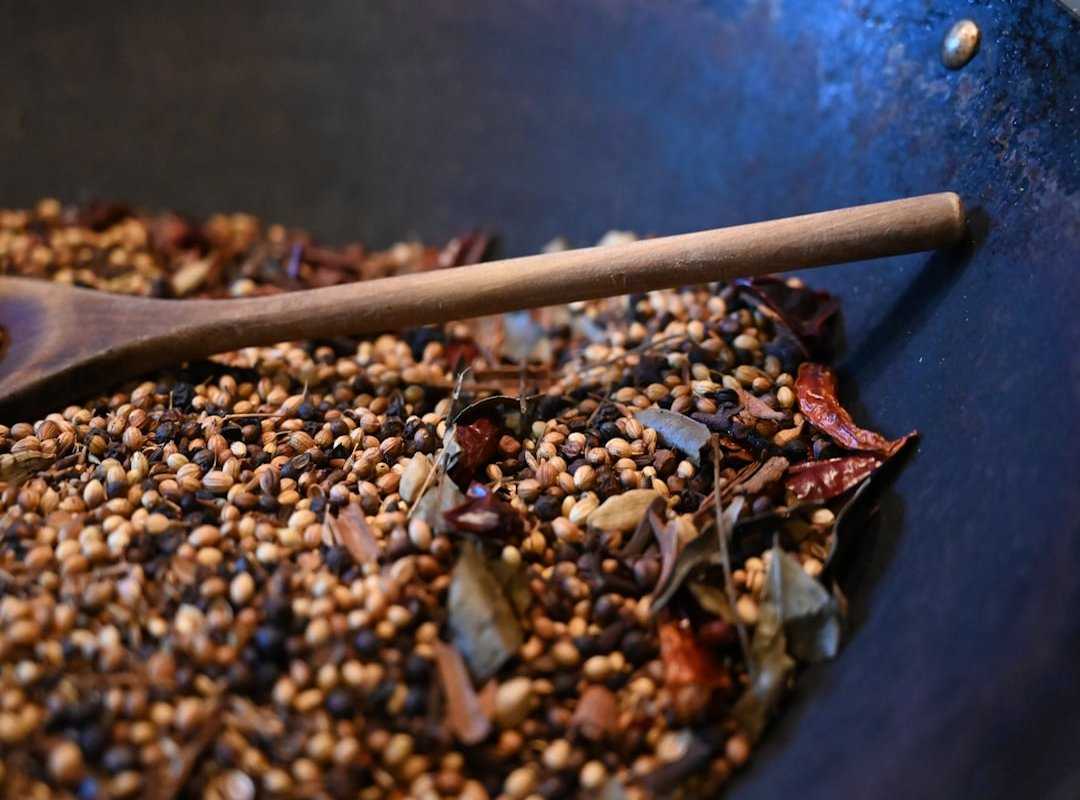
Ever tried using a spice so strong it dominates everything else in your dish? That’s hinga, or asafoetida, for you. We both know this can either ruin or revolutionize a meal.
But what if I told you that mastering Hinga spice blending can turn this overpowering ingredient into your culinary secret weapon? I’ve delved into the traditions and fundamentals of global spices (trust me, I’ve been around the spice rack a few times), and I’m here to share that journey with you. By the end of this guide, you won’t just toss hinga in and hope for the best.
You’ll create spice blends that are balanced and authentic. Ready to transform your cooking and make unforgettable flavors? Let’s do this.
Understanding the Soul of Hinga: The Foundation of Flavor
Hinga, or asafoetida, is not your everyday spice. It’s a resin from a Ferula species that packs a punch with its raw, pungent aroma. Ever opened a jar and wondered if you’ve unleashed a genie?
That’s hinga for you. But here’s the twist: when cooked, especially when “bloomed” in fat, it transforms. What starts as a strong, even offensive scent, mellows into something complex and savory.
Think garlic, leeks, and onion. All rolled into one.
Why is hinga so key? It’s a staple in Indian and Central Asian cuisines. You can’t talk about these culinary traditions without mentioning hinga.
It’s not just about taste; it’s about digestion too. Yes, it’s a flavor enhancer and a digestive aid. Ever tried a dal without it?
You’d notice the difference immediately.
Now, let’s talk about the magic of hinga spice blending. This is where the spice shows its real power. In vegetarian and vegan cooking, it’s an umami powerhouse.
The depth it adds is hard to replicate. Anyone who’s tried to make a veggie broth taste meaty will get what I mean. It’s like adding a secret ingredient that makes everything better.
Curious about more unusual hinga ingredients? This guide might just surprise you. It’s a journey into flavors you didn’t know you needed. Trust me, once you start using hinga, there’s no going back.
It’s that big. Why settle for bland when you can have bold?
The Three Golden Rules of Hinga Spice Mixing
Rule 1: Always Bloom It. If you’re not blooming hinga, you’re wasting it. To get the best from this pungent spice, you need to temper it in hot oil or ghee. This process, called tadka, is not just tradition (it’s) science. You’re unlocking its full flavor potential. But watch the temperature. Hot, not smoking. Too hot and you’ll burn it, which nobody wants.
Rule 2: Balance is Everything. Ever tried pairing hinga with other spices? You should. It’s a game of balance. Start with a small pinch of hinga to one teaspoon of other spices like cumin, mustard seeds, or coriander. Keep it simple. You’re not making a potion. You’re blending flavors. Hinga is solid, so pair wisely. It’s all about combo, and when you get it right, it’s magic.
Pro Tip: What’s in the Mix?
Want to know a secret? The spices you mix with hinga depend on the dish’s roots. In South Indian cuisine, you’d likely pair it with curry leaves and mustard seeds.
For something North Indian, think cumin and garam masala. Hinga is your common thread, but its partners change with the region. It’s like how rock sounds different depending on the decade.
Variety is the spice of life, literally.
If you’re diving into hinga spice blending for the first time, remember: small steps. You don’t need ten spices to make a good dish. Sometimes less is more.
Think of it like cooking jazz. Improvise, but know your basics. You’ll thank yourself when that aroma fills your kitchen.
Spice Up Your Life: Important Hinga Blends
I’m diving right into it. You need these spice blends in your kitchen. None of that fancy stuff.
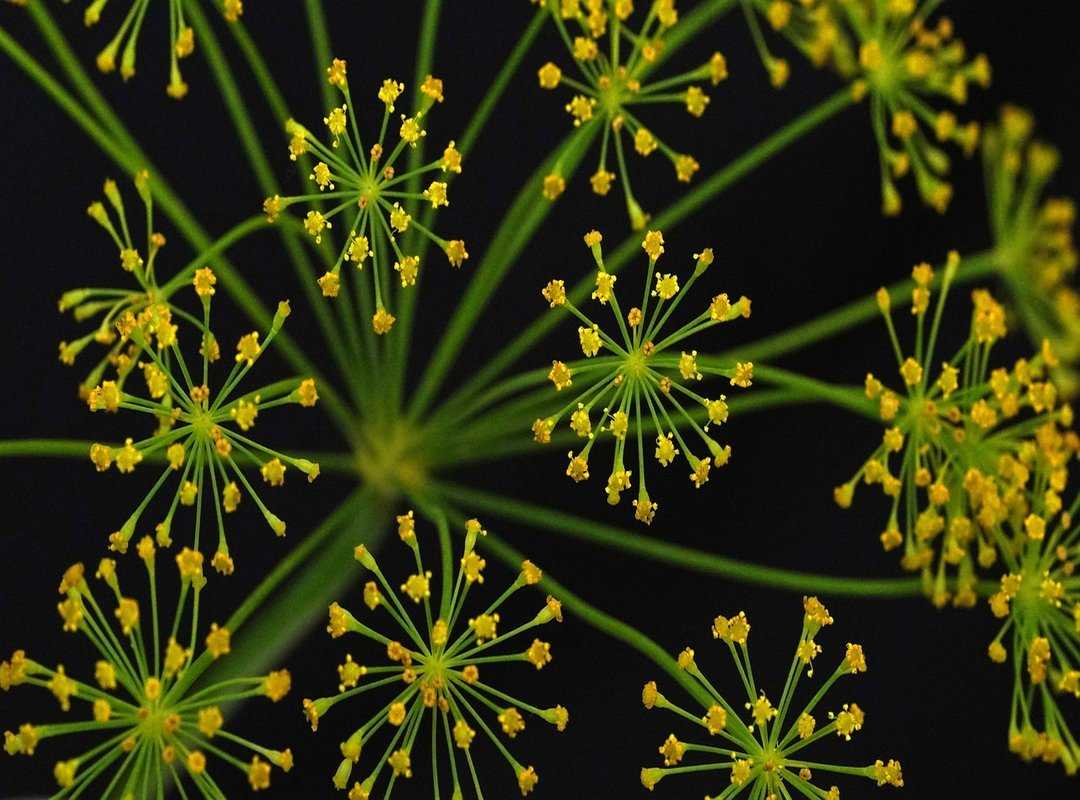
Just solid, foundational blends you can whip up and use every day.
Blend 1: The Everyday Dal Tadka. Get your ghee or oil sizzling. Add mustard seeds, cumin seeds, and a dried red chili. Don’t forget that generous pinch of hinga and turmeric. The trick is to let it crackle before pouring it over your cooked lentils. Ever wondered why dal tastes so comforting? This is your answer.
Blend 2: The South Indian Sambar Base. Start with coconut oil (the real stuff, not the diluted kind). Toss in mustard seeds, fenugreek seeds, and hinga. Curry leaves seal the deal, creating that unmistakable sambar aroma. If you’ve ever been in a South Indian kitchen, you know what I’m talking about. This blend makes your stew more than just a bunch of vegetables.
Blend 3: The Versatile Vegetable Masala. Mix ground coriander, ground cumin, turmeric, cayenne pepper, and a touch of powdered hinga. Keep it dry. This blend works wonders for roasting or sautéing veggies. I always keep this mix ready. It’s a time-saver and a flavor bomb.
Hinga spice blending isn’t just about taste. It’s about tradition and culture. Speaking of which, ever wondered about the hinga festive foods origins?
It’s fascinating how these blends transform dishes into celebrations.
Pro tip: Store these blends in airtight containers to keep flavors fresh. I’ve learned this the hard way. Don’t skimp on the containers.
They’re your spice’s best friend.
There you have it. Three blends. Endless possibilities.
Get blending.
Beyond the Basics: Advanced Hinga Techniques
Ever thought about using hinga spice outside of traditional Indian dishes? Me neither, until I did. A tiny pinch in tomato sauces or a hearty bean chili can transform them.
Trust me, that savory depth you crave? It’s there. Why not try it in savory bread dough too?
It sounds wild but it works.
Now, let’s talk about the difference between pure lump hinga and the compounded powder. The lump form is pure magic (no kidding). Crushing a small piece releases a fresher, intense flavor that powdered hinga just can’t match.
Once you’ve tasted it, you’ll know what I mean.
Here’s a pro tip: Create your own signature hinga blend. Start with the basic mix and add in complementary flavors. Smoked paprika, fennel seeds, a dash of black cardamom.
Let your imagination run wild. What unique flavor combo will you create?
Hinga spice blending opens up a world of possibilities in your kitchen. It’s about experimenting and finding what makes your taste buds happy. So, are you ready to redefine your meals?
Embrace the Flavor Revolution
So, here we are. You once saw hinga as a daunting spice, right? I get it.
But now, with those ‘Three Golden Rules’, you’re ready to conquer the kitchen. Hinga spice blending isn’t just about mixing spices; it’s about transforming your cooking. Imagine the authentic global cuisine you’ll whip up. The hesitation is gone, replaced by confidence.
Ready to take the plunge? Pick one foundational recipe from the article. Try it this week.
Feel the shift. Dive into the world of flavors and start your journey to becoming a spice-mixing expert. Your taste buds will thank you.
 Zayric Orlandis is the kind of writer who genuinely cannot publish something without checking it twice. Maybe three times. They came to recipe adaptation ideas through years of hands-on work rather than theory, which means the things they writes about — Recipe Adaptation Ideas, Global Food Fundamentals, Hinga Flavors and Traditions, among other areas — are things they has actually tested, questioned, and revised opinions on more than once.
That shows in the work. Zayric's pieces tend to go a level deeper than most. Not in a way that becomes unreadable, but in a way that makes you realize you'd been missing something important. They has a habit of finding the detail that everybody else glosses over and making it the center of the story — which sounds simple, but takes a rare combination of curiosity and patience to pull off consistently. The writing never feels rushed. It feels like someone who sat with the subject long enough to actually understand it.
Outside of specific topics, what Zayric cares about most is whether the reader walks away with something useful. Not impressed. Not entertained. Useful. That's a harder bar to clear than it sounds, and they clears it more often than not — which is why readers tend to remember Zayric's articles long after they've forgotten the headline.
Zayric Orlandis is the kind of writer who genuinely cannot publish something without checking it twice. Maybe three times. They came to recipe adaptation ideas through years of hands-on work rather than theory, which means the things they writes about — Recipe Adaptation Ideas, Global Food Fundamentals, Hinga Flavors and Traditions, among other areas — are things they has actually tested, questioned, and revised opinions on more than once.
That shows in the work. Zayric's pieces tend to go a level deeper than most. Not in a way that becomes unreadable, but in a way that makes you realize you'd been missing something important. They has a habit of finding the detail that everybody else glosses over and making it the center of the story — which sounds simple, but takes a rare combination of curiosity and patience to pull off consistently. The writing never feels rushed. It feels like someone who sat with the subject long enough to actually understand it.
Outside of specific topics, what Zayric cares about most is whether the reader walks away with something useful. Not impressed. Not entertained. Useful. That's a harder bar to clear than it sounds, and they clears it more often than not — which is why readers tend to remember Zayric's articles long after they've forgotten the headline.