

Ever felt like going gluten-free means bland, overpriced food and missing out on the good stuff? You’re not alone. But here’s the twist: you don’t have to settle.
Let’s dive into a world where gluten-free variations aren’t just sad substitutes, but culinary celebrations.
I’ve spent years exploring how cultures worldwide whip up delicious meals using naturally gluten-free ingredients. Ever wondered how they do it? That’s what we’re here to uncover.
It’s not just about avoiding wheat; it’s about discovering flavors you never knew existed.
We’ll explore lively, globally-inspired options that make your taste buds dance. No more compromises. This isn’t just another gluten-free menu.
It’s a guide to flavor-packed, accessible options that won’t break the bank. Ready to transform your gluten-free journey? Let’s get started.
Shifting Your Mindset: From Restriction to Culinary Exploration
Let’s talk about gluten-free living. Too often, it’s seen as a diet of restrictions, a list of “don’ts” that feels as long as a grocery receipt. But what if we flipped the script?
Instead of focusing on what you can’t eat, think about the vast world of culinary possibilities waiting for you. This mindset shift isn’t just a feel-good mantra. It’s a gateway to discovering the gluten-free variations that raise your meals.
Consider this: many global cuisines are rooted in naturally gluten-free ingredients. They’re not just substitutes; they’re staples. Quinoa, millet, buckwheat, and teff aren’t just ancient grains.
They’re versatile powerhouses that can form the base of countless dishes. And don’t get me started on pulses. Lentils, chickpeas, and beans pack a protein punch that rivals any steak.
They’re the unsung heroes of any pantry.
Root vegetables like potatoes, sweet potatoes, yuca, and taro? They’re not just sides; they’re satisfying, hearty mains. Let’s not forget corn and rice.
From polenta to tortillas and risotto to rice noodles, they hold up countless culinary traditions. These ingredients aren’t just alternatives. They’re the backbone of lively, flavorful meals.
For those who crave more, dive into Dairy Free Dessert Alternatives for more inspiration. Embrace the exploration. It’s a journey (cliché, I know) that can transform your cooking and eating habits.
Who knew gluten-free could be such a delicious adventure?
A World on Your Plate: Naturally Gluten-Free Dishes
Ever stopped to wonder about the world of flavors out there? If you’re like me, you might be looking for something different, something that doesn’t just taste good but fits into a gluten-free lifestyle. So let’s take a quick culinary tour.
In South Asia, there’s a classic dish that stands out: dal. Imagine a steaming bowl of lentil curry, packed with flavors from cumin, coriander, and turmeric. It pairs perfectly with rice, creating a comforting meal that’s naturally gluten-free.
Then there’s Chickpea Curry, or Chana Masala, with its strong, hearty punch. It’s surprisingly easy to make and deeply satisfying. And don’t even get me started on dosas.
These savory pancakes, made from fermented rice and lentil batter, are a brilliant alternative to the usual breakfast fare.
Now, let’s move to Latin America. Here, corn is king. Arepas, tamales, tacos (all) these dishes are made using 100% corn tortillas.
They’re gluten-free but also versatile. You can stuff them with anything you like. And let’s not overlook the classic combo of rice and beans.
It’s a complete protein and a staple for many. Does it get any simpler or more reliable than that?
Heading over to the Mediterranean, we find delights like hummus. This chickpea-based spread is a must-try. It’s creamy, it’s tangy, and it’s perfect for dipping.
Socca, or farinata, is another dish that deserves attention. Made from chickpea flour, this flatbread is a gluten-free dream. And don’t forget grilled meats and fish.
Served with roasted vegetables and a squeeze of lemon, these dishes are both simple and elegant.
If you’re feeling inspired to explore these flavors, there are plenty of gluten-free variations to try. Why stick to the same old when the world has so much to offer? Each region brings something unique, something bold.
So let’s embrace the variety. Your taste buds will thank you.
The Power of Pulses: Your Secret Weapon for Hearty GF Meals
Want to make gluten-free meals that don’t feel like air? Say hello to pulses (lentils,) beans, and chickpeas. They pack the punch of protein and fiber, adding texture and substance to your meals.
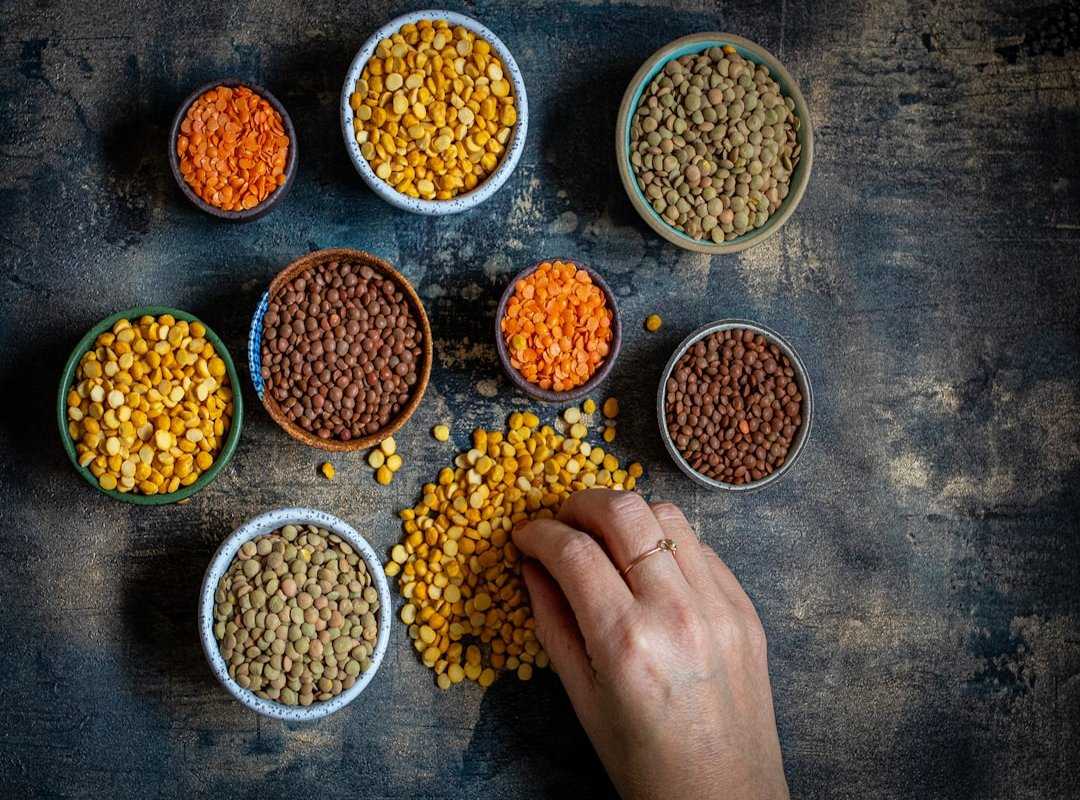
You know that deflated feeling of a flat GF dish? Pulses kick it right out.
Let’s talk soups and stews. Red lentils are your best friend here. They thicken soups naturally, no flour needed.
Ever tried a chili with black beans? They’re not just filling; they transform it into a hearty feast.
Salads can be more than lettuce and dressing. Quinoa paired with chickpeas makes a strong salad. Or a warm lentil salad (perfect) for a cozy lunch.
These aren’t just gluten-free variations, they’re full-on meal game-changers.
Now, dips and spreads. We all know hummus, but have you tried black bean dip? Trust me, it’s a snack you won’t regret.
Or a creamy white bean spread? Easy to make, loaded with flavor, and nutritious.
Don’t forget the power of flour (chickpea) flour, that is. Whip up pancakes or flatbreads with it. It’s versatile, making batters sing (okay, not literally).
Pulses can literally transform your meals into gluten-free powerhouses. Got more time? Dive into veganizing classic comfort foods for other tasty ideas.
Think hearty. Think satisfying. Pulses are the secret weapon you didn’t know you needed.
Why not try them today?
Flavor Unlocked: Spice Up Your GF Kitchen
Bland gluten-free meals? Been there, done that. I used to think gluten-free meant flavor-free, but I was wrong.
The secret lies in spices and herbs. Most global dishes are already gluten-free variations, bursting with flavor. They rely on spices, not wheat.
That’s your ticket to tasty meals.
Let’s talk essentials. Cumin and coriander bring earthy warmth to curries and stews. Smoked paprika adds smoky depth to veggies and proteins. Turmeric?
It’s not just for color. It has a mild, peppery flavor that takes dishes to the next level.
A quick tip: check spice blend labels for gluten-packed anti-caking agents. It’s a small step but worth it. Now, don’t just stop at spices.
Fresh herbs like cilantro, parsley, and mint can brighten any dish. Seriously, toss some mint in a salad and see what I mean.
I remember my first experiment with these flavors. It was like opening a new world. Who knew a dash of smoked paprika could transform roasted potatoes into a masterpiece?
You don’t need to be a chef to do this. Just a bit of curiosity. Go ahead, get creative, and open up those flavors.
Spice Up Your Gluten-Free Adventure
Going gluten-free doesn’t mean settling for less. It means diving into a world of gluten-free variations that are anything but bland. Sure, the fear of missing out is real, but it’s also unnecessary.
Just look around! Pulses, diverse grains, and bold spices are your new best friends. They’re ready to make your meals more exciting than ever, and I guarantee they’ll beat any substitutes.
So here’s the challenge: try one naturally gluten-free recipe from a different culture this week. Or just add chickpeas to your next grocery list. You’ll thank me later.
 There is a specific skill involved in explaining something clearly — one that is completely separate from actually knowing the subject. Brianskier Fowlerosa has both. They has spent years working with culinary pulse in a hands-on capacity, and an equal amount of time figuring out how to translate that experience into writing that people with different backgrounds can actually absorb and use.
Brianskier tends to approach complex subjects — Culinary Pulse, Cultural Cuisine Explorations, Global Food Fundamentals being good examples — by starting with what the reader already knows, then building outward from there rather than dropping them in the deep end. It sounds like a small thing. In practice it makes a significant difference in whether someone finishes the article or abandons it halfway through. They is also good at knowing when to stop — a surprisingly underrated skill. Some writers bury useful information under so many caveats and qualifications that the point disappears. Brianskier knows where the point is and gets there without too many detours.
The practical effect of all this is that people who read Brianskier's work tend to come away actually capable of doing something with it. Not just vaguely informed — actually capable. For a writer working in culinary pulse, that is probably the best possible outcome, and it's the standard Brianskier holds they's own work to.
There is a specific skill involved in explaining something clearly — one that is completely separate from actually knowing the subject. Brianskier Fowlerosa has both. They has spent years working with culinary pulse in a hands-on capacity, and an equal amount of time figuring out how to translate that experience into writing that people with different backgrounds can actually absorb and use.
Brianskier tends to approach complex subjects — Culinary Pulse, Cultural Cuisine Explorations, Global Food Fundamentals being good examples — by starting with what the reader already knows, then building outward from there rather than dropping them in the deep end. It sounds like a small thing. In practice it makes a significant difference in whether someone finishes the article or abandons it halfway through. They is also good at knowing when to stop — a surprisingly underrated skill. Some writers bury useful information under so many caveats and qualifications that the point disappears. Brianskier knows where the point is and gets there without too many detours.
The practical effect of all this is that people who read Brianskier's work tend to come away actually capable of doing something with it. Not just vaguely informed — actually capable. For a writer working in culinary pulse, that is probably the best possible outcome, and it's the standard Brianskier holds they's own work to.