

Imagine walking through a fully-stocked supermarket aisle, everything within arm’s reach. Now think of the news showing food shortages elsewhere. It’s a stark contrast, isn’t it?
This article dives into the murky waters of global food security. I’m here to break down the details of how food availability is not just about headlines. It’s about understanding the systems at play.
I’ve spent years exploring these global food fundamentals, driven by a passion for the stories behind them. Trust me, there’s more than data here. There’s a human element that often gets overlooked.
You’ll get a clear-eyed view of what’s happening worldwide and how these trends shape the food you eat. Ready to leave with a stronger grip on what shapes our global food space? You should be.
Beyond Calories: Decoding ‘Food Availability’
When we talk about food availability, we’re diving into the first pillar of food security. It’s all about supply. But it’s not just about total production numbers.
Think of it as a massive global pantry. Some shelves are brimming with grains, others are bare, waiting for imports to fill them.
Production is the first piece (what’s) grown or raised. Then there’s stock levels, those reserves that keep panic at bay when crops fail. Finally, net trade balances it all.
Imports and exports shuffle food around the world, filling gaps where shortages loom.
But here’s the thing: food availability isn’t the same as food access or utilization. It’s like having a pantry full of food but no way to cook it. Access is about getting food to people who need it.
Utilization is making sure it’s nutritious and well-prepared.
Let’s ground this in reality. Global grain production is a whopping 2.7 billion metric tons annually, but that doesn’t mean everyone gets a slice of bread. Some countries hoard grain, others rely on imports.
It’s a dance of supply and demand, and it highlights the complexity of global food security.
If you’re curious about how these pieces fit into the bigger picture, check out this introduction to food supply chains. It offers a deeper look into the topic and how these elements interact.
Understanding these components is key. Without them, we’re just spinning wheels in the dirt, trying to solve a puzzle without all the pieces.
The Core Factors Shaping Our Global Menu
Let’s talk about something that keeps me up at night: the factors shaping our global menu. You know, the stuff we eat every day. It’s not as simple as just growing food.
It’s a tangled web of climate, politics, and logistics.
The Climate and Environmental Connection
Climate change isn’t just a buzzword. It’s a real threat to what ends up on our plates. Take wheat, for example.
Droughts in major exporting regions can slash yields, driving prices through the roof. A few years ago, I watched as wheat prices soared due to a severe drought in Australia. It was a wake-up call.
And it’s not just wheat. Every crop gets hit differently by changing weather patterns, water scarcity, and soil health. Who knew Mother Nature could be so temperamental?
The Economic and Political Levers
Trade policies and tariffs are like puppeteers pulling the strings of global food security. When countries start throwing tariffs around like confetti, it’s the consumer who ends up paying. Remember the trade dispute between the US and China?
It was like watching a game of chess, but the stakes were food supply chains. Geopolitical instability can upend everything in an instant. One conflict can block important goods from reaching the people who need them.
It’s mind-boggling how a decision in one part of the world can ripple through to your local grocery store.
The Supply Chain Labyrinth
Getting food from farm to table is a journey fraught with potential pitfalls. Transportation bottlenecks, storage issues, and food loss are just a few hurdles. I’ve seen trucks stuck at borders, food rotting away while politicians bicker.
It’s not just about growing food; it’s about moving it efficiently. And this is where the plot thickens. If you’re curious about how deep this rabbit hole goes, check out the home page of the Global Food Security Conference.
It’s a complex dance, and we’re all part of it.
In a world where we rely on these systems, understanding them is key. Each factor, from climate to politics, plays a role in shaping what we eat. And it’s up to us to pay attention.
A World of Flavors: How Availability Shapes Our Plates
Have you ever thought about how the availability of ingredients impacts cultural dishes? It’s easy to overlook, but global food security shakes up cuisines more than we realize. Take saffron risotto.
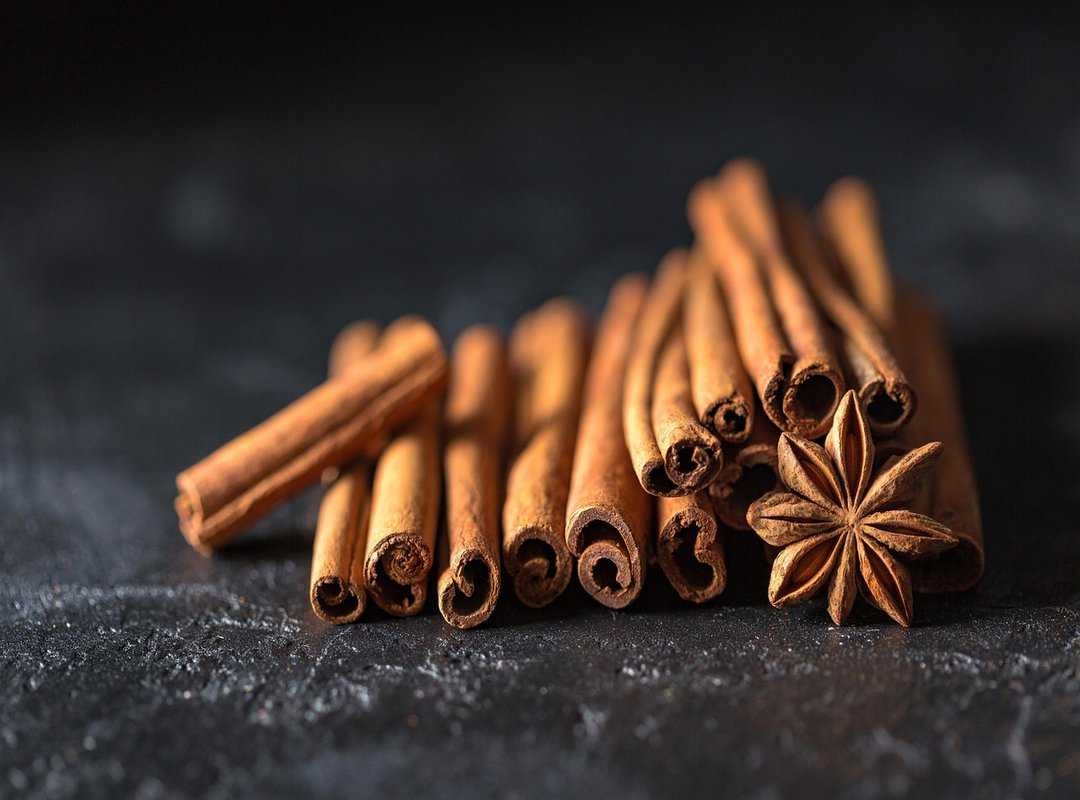
This Italian dish relies heavily on one specific ingredient (saffron.) But with climate change and economic pressures, saffron’s getting pricier and harder to come by. What happens when a key piece of a beloved recipe is threatened?
Lentils, chickpeas, beans (these) aren’t trendy new arrivals in the food scene. They’ve been around forever, fueling countless strong dishes. From Indian dal to Mexican frijoles, pulses are the backbone of many lively cuisines.
Shifting gears, let’s focus on solutions. We have options when it comes to adapting to these challenges. Enter pulses.
These foods are not just tasty but also resilient and nutrient-dense.
Why does this matter? Because embracing pulses is more than a culinary choice. It’s a step towards a stable, global food system.
These ingredients withstand harsh climates better than many others, making them important for the future of food. They’re climate-resilient and help feed the world sustainably.
Still skeptical? Check out the Basics Of Fair Trade Foods on Hingagyi. It dives into how sustainable practices make a real difference in food availability.
Fair trade’s not just a label. It’s a way to support the farmers who grow these important crops.
So, what’s the takeaway here? We need to widen our food horizons. By integrating more pulses into our diet, we’re not just adding variety.
We’re supporting a more resilient food system. It’s a no-brainer if you ask me. Eating widely and wisely is a solid tool.
It’s about time we tapped into it.
The Future on Our Plates: Innovations and Solutions
When it comes to global food security, we’re not just talking about fancy tech and shiny gadgets. Sure, technology helps (like precision agriculture), but it’s not the whole meal. It’s just a tool to make farming a bit less of a gamble.
Ever wondered why we source food from halfway across the globe when we can grow it next door? Strengthening local food systems is our ticket out of this mess.
Regenerative farming and agroforestry? These aren’t just buzzwords. They actually boost soil health and productivity in the long haul.
It’s like nature’s version of recycling. And sustainable practices aren’t just saving the earth (though that’s huge). They’re ensuring we have what we need to feed everyone.
Consumer awareness is another piece of this puzzle. Your choices matter. Choosing diverse, sustainable options can shift demand.
Imagine walking into your local store and seeing a variety of options you didn’t know existed. You can thank consumer demand for that.
So, do we want to keep relying on fragile chains, or do we start making smarter choices?
Dive into the Global Food Story
You’ve uncovered the map to global food security. It’s clear now: our food system, a delicate dance of environment, economy, and culture, needs your participation. How?
By embracing diversity. From the crops we plant to the meals we savor, every choice matters.
Consider exploring new ingredients. Where does your food come from? This awareness builds resilience.
It’s about more than just eating. It’s about contributing to a story that affects us all.
Ready to dive in? Start today. Join the movement for change.
Explore, learn, and shape the future of food security with every bite.
 Zayric Orlandis is the kind of writer who genuinely cannot publish something without checking it twice. Maybe three times. They came to recipe adaptation ideas through years of hands-on work rather than theory, which means the things they writes about — Recipe Adaptation Ideas, Global Food Fundamentals, Hinga Flavors and Traditions, among other areas — are things they has actually tested, questioned, and revised opinions on more than once.
That shows in the work. Zayric's pieces tend to go a level deeper than most. Not in a way that becomes unreadable, but in a way that makes you realize you'd been missing something important. They has a habit of finding the detail that everybody else glosses over and making it the center of the story — which sounds simple, but takes a rare combination of curiosity and patience to pull off consistently. The writing never feels rushed. It feels like someone who sat with the subject long enough to actually understand it.
Outside of specific topics, what Zayric cares about most is whether the reader walks away with something useful. Not impressed. Not entertained. Useful. That's a harder bar to clear than it sounds, and they clears it more often than not — which is why readers tend to remember Zayric's articles long after they've forgotten the headline.
Zayric Orlandis is the kind of writer who genuinely cannot publish something without checking it twice. Maybe three times. They came to recipe adaptation ideas through years of hands-on work rather than theory, which means the things they writes about — Recipe Adaptation Ideas, Global Food Fundamentals, Hinga Flavors and Traditions, among other areas — are things they has actually tested, questioned, and revised opinions on more than once.
That shows in the work. Zayric's pieces tend to go a level deeper than most. Not in a way that becomes unreadable, but in a way that makes you realize you'd been missing something important. They has a habit of finding the detail that everybody else glosses over and making it the center of the story — which sounds simple, but takes a rare combination of curiosity and patience to pull off consistently. The writing never feels rushed. It feels like someone who sat with the subject long enough to actually understand it.
Outside of specific topics, what Zayric cares about most is whether the reader walks away with something useful. Not impressed. Not entertained. Useful. That's a harder bar to clear than it sounds, and they clears it more often than not — which is why readers tend to remember Zayric's articles long after they've forgotten the headline.