
Food is more than fuel—it’s a living story of culture, technique, and tradition evolving across kitchens worldwide. If you’re here, you’re likely looking to deepen your understanding of global flavors, master essential culinary fundamentals, or discover practical kitchen hacks that actually make cooking easier and more enjoyable. This article brings together cultural cuisine explorations, flavor traditions, and modern insights to help you cook with more confidence and creativity.
We’ve carefully studied culinary trends, traditional preparation methods, and contemporary adaptations to ensure the guidance here is both authentic and practical. Whether you’re experimenting with bold new spices, refining classic techniques, or exploring gluten-free recipe conversion, you’ll find clear, experience-backed insights you can apply immediately.
From understanding the roots of iconic dishes to elevating everyday meals, this guide is designed to sharpen your culinary pulse and expand your kitchen skills in ways that truly matter.
Getting a gluten-free diagnosis can feel like losing Sunday pancakes and grandma’s pie overnight. I remember my first attempt at adapting a chocolate cake—one simple flour swap, and boom: a brick.
The truth is, gluten provides structure (the stretchy protein network that traps air), texture, and chew. Without it, cookies crumble and breads sink.
At first, I blamed the recipe. Then I learned gluten-free recipe conversion means rebuilding, not replacing.
So instead:
- Blend flours for balance
- Add binders like xanthan gum
- Adjust liquids carefully
With practice, your favorites return—lighter, wiser, still delicious just like you remember them.
Understanding Gluten’s Role: The “Why” Behind the Swap”
By experimenting with gluten-free flours and alternative ingredients, you can not only transform your favorite traditional recipes but also explore ways to make them healthier, which aligns perfectly with our tips for Turning Family Recipes into Healthier Alternatives.
Gluten is a PROTEIN found in wheat that forms an elastic network when mixed with water. Think of it as scaffolding: when you knead dough, gluten strands link together, creating structure and chew. Without it, bread would crumble like a poorly built sandcastle.
In traditional baking (A), gluten handles three critical jobs. In gluten-free baking (B), you must deliberately replace them:
• Structure: A prevents cakes from collapsing; B relies on starches and binders to hold shape.
• Elasticity: A stretches and traps gas for rise; B mimics this with gums or psyllium.
• Moisture Retention: A keeps crumb tender longer; B uses fats or hydrocolloids to slow staling.
Many assume gluten-free recipe conversion is just a flour swap. That’s like replacing bricks but ignoring mortar (it won’t stand long).
The mindset shift? Replace FUNCTIONS, not flour. When you think in roles instead of ingredients, results improve dramatically.
Your Essential Gluten-Free Flour Toolkit
The Myth of the “One-for-One” Flour
First, let’s clear this up: there’s no magical flour that behaves exactly like wheat in every recipe. So-called “one-for-one” blends promise a seamless swap, but baking is chemistry (yes, like high school—just tastier). Wheat flour contains gluten, a protein that creates elasticity and structure. Remove it, and you need a strategic replacement.
Some argue that store-bought blends solve everything. And for quick muffins? They often do. But for chewy cookies versus airy cakes, flour choice matters. In other words, the key isn’t substitution—it’s selection.
A Breakdown of Key Flours and Their Properties
All-Purpose GF Blends
Great for beginners. They’re convenient and often contain xanthan gum (a binding agent that mimics gluten’s stretch). Use them for cakes, cupcakes, and simple breads.
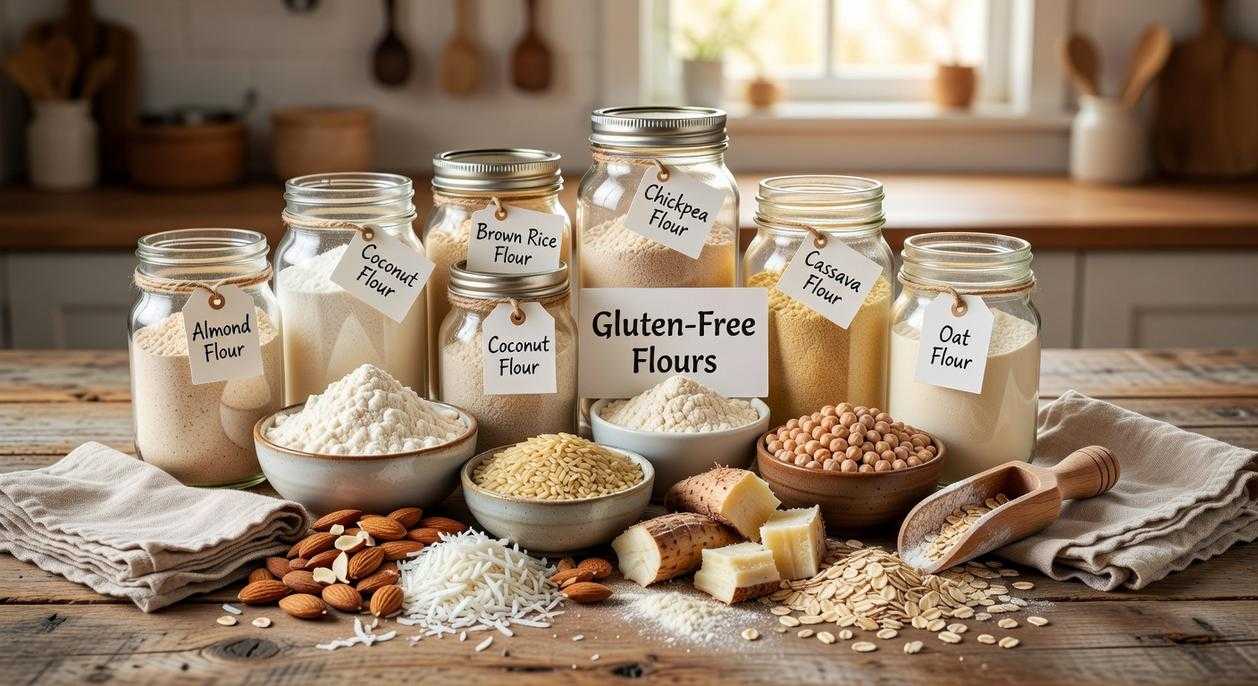
Almond Flour
Rich, moist, and slightly sweet. High in protein and fat, low in carbs. Ideal for brownies or dense cakes. If your chocolate cake feels dry, swap 25% with almond flour.
Coconut Flour
Highly absorbent. It requires extra liquid and eggs. Start small—replace only 10–15% of flour to avoid a crumbly disaster (trust me on this).
Oat Flour
Light texture and classic cookie flavor. Perfect for pancakes and muffins. Blend certified gluten-free oats at home for freshness.
Buckwheat Flour
Earthy and bold. Excellent for savory crepes and rustic breads.
Pro Tip: The Power of Blending
For better gluten-free recipe conversion, try mixing 2 cups brown rice flour, 2/3 cup potato starch, and 1/3 cup tapioca starch. This balances structure, tenderness, and chew—giving you control instead of guesswork.
Mastering Binders and Thickeners: The Secret to Perfect Texture
When gluten disappears, structure goes with it. In gluten-free recipe conversion, you’re essentially replacing elasticity—the invisible “glue” that traps air and holds crumbs together. Most guides stop at “add xanthan gum.” Let’s go deeper.
Replacing Elasticity (The “Glue”)
Xanthan Gum is the standard binder. Just 1/4 to 1/2 teaspoon per cup of flour creates structure and prevents that sandy crumble (yes, the one that falls apart mid-bite). Too much, though, and you’ll get gumminess.
Psyllium Husk is the competitive edge few home bakers fully leverage. It forms a gel when hydrated, adding moisture and a chewy, bread-like texture—especially powerful in yeast breads where stretch matters.
Chia Seeds & Flax Eggs (1 tablespoon ground seeds + 2.5 tablespoons water) act as whole-food binders. They shine in muffins and quick breads, adding subtle nuttiness and fiber.
Thickening Sauces, Soups, and Gravies
Flour isn’t your only thickener.
Cornstarch Slurry (mixed with cold water) yields clear, glossy sauces.
Arrowroot Starch holds up beautifully in acidic dishes and even after freezing—ideal for citrus glazes.
Potato Starch delivers a silky finish perfect for creamy soups.
For dessert applications, explore easy ways to make classic desserts dairy free to refine both texture and flavor balance.
Practical Conversion Hacks for Everyday Recipes
Let’s be honest—gluten-free baking can feel like culinary roulette. Sometimes you get a masterpiece. Other times? A brick. That’s why I swear by a few practical tweaks that make gluten-free recipe conversion far less dramatic.
First, for cakes and cupcakes, I always increase the liquid slightly—an extra egg or even a tablespoon of milk works wonders. Then I let the batter rest for 15–20 minutes. This hydrates the flours and prevents that gritty texture (which, in my opinion, ruins an otherwise good dessert).
When it comes to cookies, chilling the dough for at least an hour isn’t optional—it’s essential. Not only does it prevent spreading, but it deepens the flavor. Patience pays off here.
For yeast breads, shift your mindset. Gluten-free dough is a batter, not something you knead like pizza dough. Over-mixing collapses structure. I also add an extra teaspoon of yeast plus a teaspoon of sugar to encourage a better rise.
For pasta and coatings:
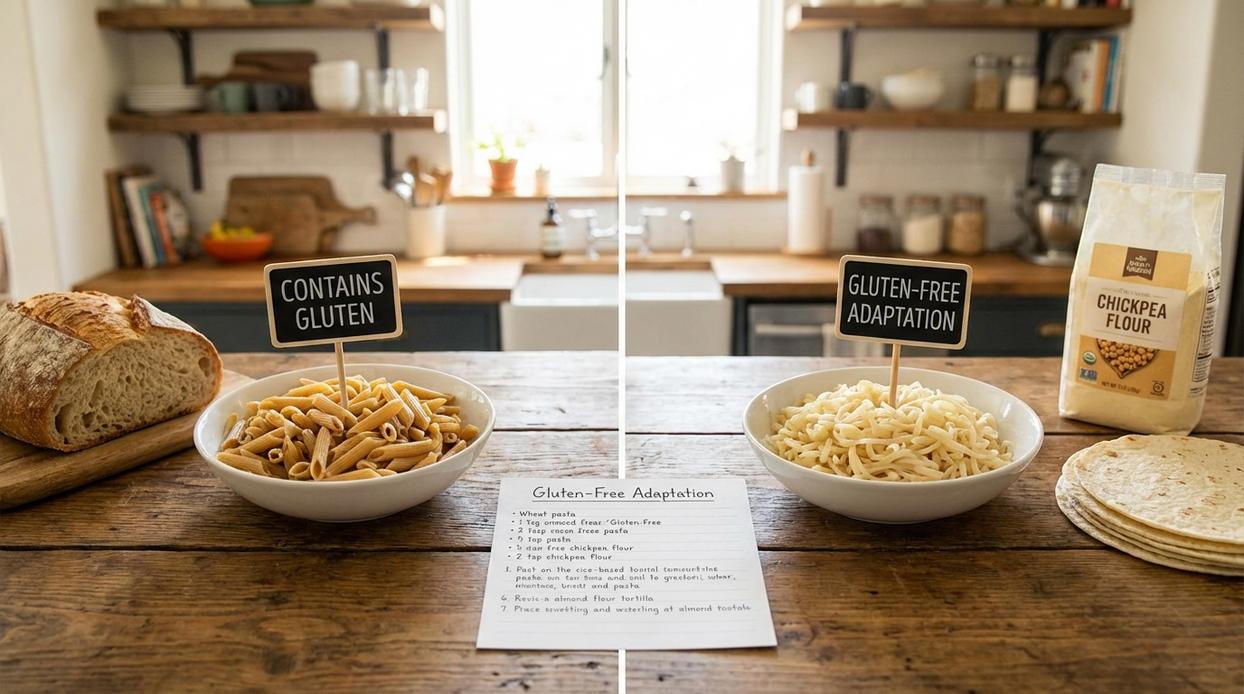
- Slightly undercook gluten-free pasta, then finish it in the sauce to avoid mushiness.
- Use crushed rice cereal, almond flour, or gluten-free panko for crispier breadings.
Small changes, big difference—that’s the game.
Your kitchen is no longer a place of limits—it’s a workshop. A gluten-free diet doesn’t mean giving up pizza night or grandma’s biscuits. It means learning how ingredients work.
Think structure and moisture. Wheat flour provides gluten (the protein network that traps air and creates chew). Replace that function with the right tools:
- Use GF flours for balance
- Add binders like xanthan gum or psyllium husk
- Adjust liquids for tenderness
That’s the heart of gluten-free recipe conversion.
Some argue it’s complicated. It’s not—chemistry (and patience). This week, adapt one recipe confidently. Experiment. Taste. Refine. Your rules now.
Bring Global Flavors Into Your Kitchen With Confidence
You came here looking to better understand global flavors, cultural cooking traditions, and how to make them work in your own kitchen. Now you have the insight to explore new ingredients, honor authentic techniques, and even master gluten-free recipe conversion without sacrificing taste or texture.
Cooking can feel overwhelming when you’re unsure about substitutions, flavor balance, or cultural authenticity. That frustration stops too many home cooks from trying something new. But with the right guidance and practical kitchen hacks, experimenting becomes exciting instead of intimidating.
Now it’s your move. Start with one new dish this week. Apply what you’ve learned about flavor layering and smart substitutions. Explore more culinary insights and tested kitchen strategies designed to simplify complex recipes and elevate everyday meals.
Thousands of passionate home cooks are already transforming their kitchens with trusted, flavor-focused guidance. Don’t let uncertainty hold you back. Dive deeper, try something bold, and turn your next meal into a global experience.
 There is a specific skill involved in explaining something clearly — one that is completely separate from actually knowing the subject. Brianskier Fowlerosa has both. They has spent years working with culinary pulse in a hands-on capacity, and an equal amount of time figuring out how to translate that experience into writing that people with different backgrounds can actually absorb and use.
Brianskier tends to approach complex subjects — Culinary Pulse, Cultural Cuisine Explorations, Global Food Fundamentals being good examples — by starting with what the reader already knows, then building outward from there rather than dropping them in the deep end. It sounds like a small thing. In practice it makes a significant difference in whether someone finishes the article or abandons it halfway through. They is also good at knowing when to stop — a surprisingly underrated skill. Some writers bury useful information under so many caveats and qualifications that the point disappears. Brianskier knows where the point is and gets there without too many detours.
The practical effect of all this is that people who read Brianskier's work tend to come away actually capable of doing something with it. Not just vaguely informed — actually capable. For a writer working in culinary pulse, that is probably the best possible outcome, and it's the standard Brianskier holds they's own work to.
There is a specific skill involved in explaining something clearly — one that is completely separate from actually knowing the subject. Brianskier Fowlerosa has both. They has spent years working with culinary pulse in a hands-on capacity, and an equal amount of time figuring out how to translate that experience into writing that people with different backgrounds can actually absorb and use.
Brianskier tends to approach complex subjects — Culinary Pulse, Cultural Cuisine Explorations, Global Food Fundamentals being good examples — by starting with what the reader already knows, then building outward from there rather than dropping them in the deep end. It sounds like a small thing. In practice it makes a significant difference in whether someone finishes the article or abandons it halfway through. They is also good at knowing when to stop — a surprisingly underrated skill. Some writers bury useful information under so many caveats and qualifications that the point disappears. Brianskier knows where the point is and gets there without too many detours.
The practical effect of all this is that people who read Brianskier's work tend to come away actually capable of doing something with it. Not just vaguely informed — actually capable. For a writer working in culinary pulse, that is probably the best possible outcome, and it's the standard Brianskier holds they's own work to.