
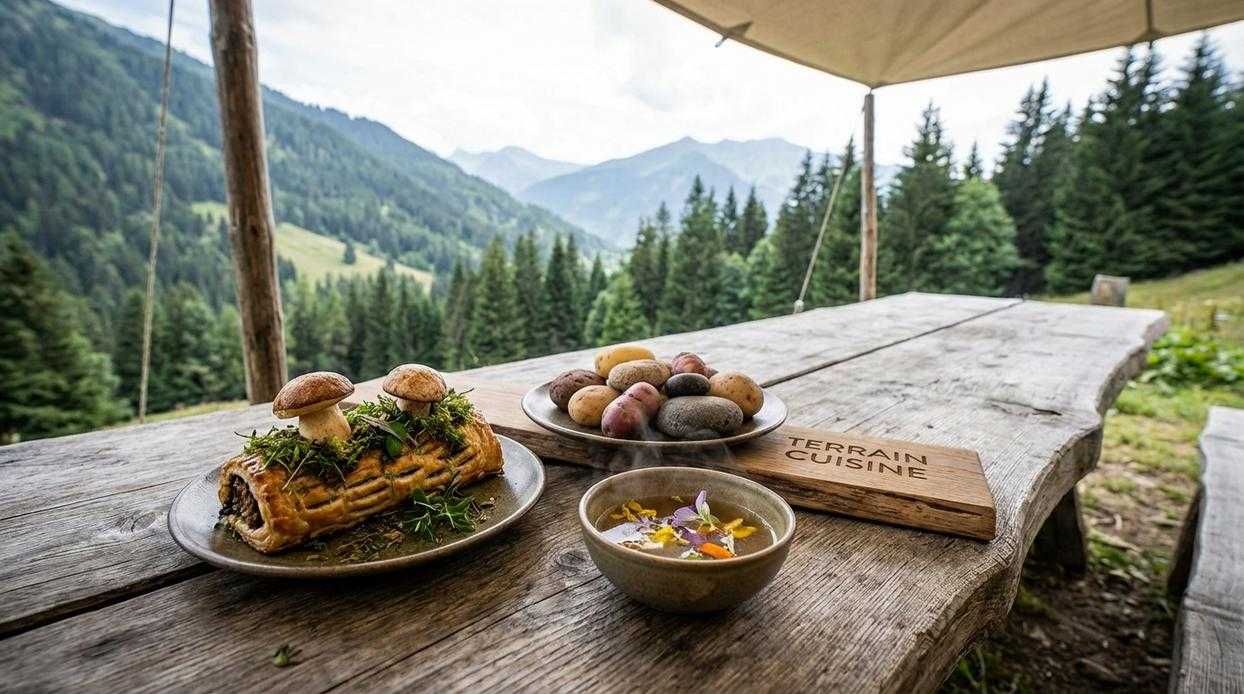
Every plate of food tells a story shaped by geography—from the richness of the soil to the rhythm of the tides. This article uncovers how landscapes, climates, and trade routes quietly determine what ends up on your table and why it tastes the way it does. Many of us enjoy dishes without ever understanding the forces that formed them. Here, we bridge that gap, revealing how terrain, weather, and history act as invisible chefs behind every regional cuisine. By the end, you’ll see each meal not just as food, but as a living map of place, culture, and tradition.
The Foundation: How Climate and Soil Write the Menu
Terroir Explained
By understanding how geography influences traditional dishes, you can appreciate the unique flavors found in various regions, and for those looking to recreate these culinary delights quickly, be sure to check out the article “Fhthblog Quick Recipes From Fromhungertohope” for some inspired cooking ideas.
Terroir is often tossed around in wine circles, but I think it deserves a seat at every dinner table. It simply means the “taste of a place” — the combination of climate, soil, water, and landscape that shapes how food grows and ultimately tastes. In my view, terroir is the quiet author behind every great dish (and sometimes the reason your tomatoes taste disappointingly bland).
Consider climate first. Tropical regions give us coconuts, bananas, and spice-laden abundance because warmth and rainfall allow year-round growth. Compare that to colder climates, where survival shaped cuisine around root vegetables, sturdy grains, and apples that store through winter. Some argue modern logistics make climate less relevant since we can import anything. I disagree. Fresh mango in January might be convenient, but it rarely tastes like it does under a blazing equatorial sun.
Soil might be even more dramatic. Volcanic soil near Mount Vesuvius produces San Marzano tomatoes with balanced sweetness and acidity — ideal for Italian sauces. That mineral-rich earth isn’t just dirt; it’s flavor chemistry in action. Different soil types alter nutrient uptake, which research shows can influence taste and texture (FAO).
Water shapes menus, too:
- Coastal communities celebrate seafood, while landlocked regions mastered curing meats and aging dairy out of necessity.
This interplay of geography and regional cuisine proves one thing: the environment doesn’t just influence food — it writes the menu.
Terrain as a Chef: Cooking Methods Shaped by the Land
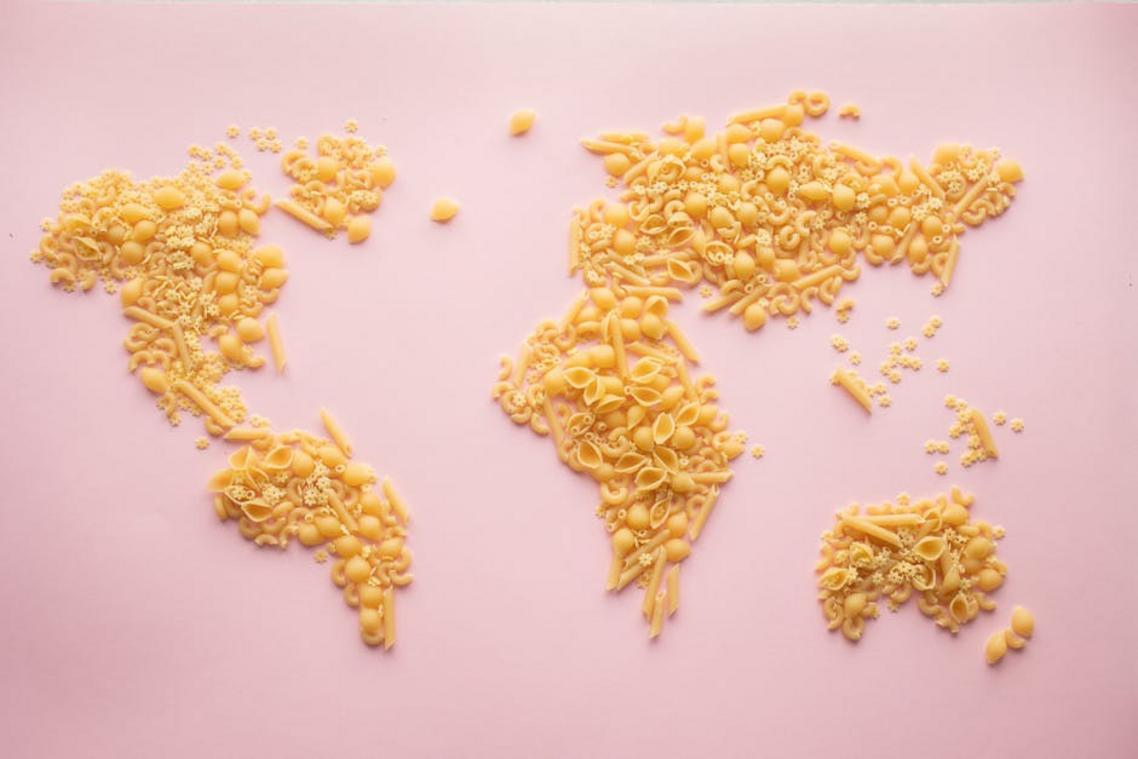
Terrain doesn’t just influence flavor—it dictates survival. When you look at geography and regional cuisine, you start seeing landscapes as silent sous-chefs.
Mountain Cuisine
High altitudes mean thin air, lower boiling points (water boils below 100°C), and historically scarce fuel. The solution? Efficient, heat-conserving dishes. Think Alpine fondue: one pot, communal dipping, minimal wasted heat. In the Himalayas, meats are smoked or air-dried to last through brutal winters.
Recommendation: If you’re cooking at elevation, use pressure cookers to counter lower boiling temperatures and lean into one-pot stews for efficiency. Try recreating a simple lentil stew with smoked salt for that mountain depth.
Coastal Cooking
Near the sea, abundance changes everything. Freshness becomes the star. Grilling whole fish, steaming shellfish, or serving seafood raw—like ceviche or sashimi—keeps flavors clean and direct. (When your ingredients were swimming hours ago, heavy sauces feel almost rude.)
Recommendation: Buy the freshest fish you can and keep preparation minimal: olive oil, citrus, sea salt. Let the ocean speak.
Plains and Grasslands
Wide-open spaces foster pastoralism—raising grazing animals like cattle or sheep. Argentina’s asado grew from the Pampas and gaucho culture: slow-grilled meats over open flame.
- Cook over wood or charcoal
- Season simply
- Share communally
River Deltas
Fertile valleys like the Mekong or Nile supported irrigation agriculture and rice-based cuisines. Complex farming systems led to layered dishes—curries, rice bowls, herb-laden plates.
Recommendation: Experiment with rice as a base and build upward—fresh herbs, pickles, grilled proteins—for balance.
Cook with the land in mind, and your kitchen suddenly feels much bigger.
A Taste of History: How Trade and Migration Redrew the Culinary Map
Have you ever wondered why Italian pasta relies on tomatoes that didn’t even exist in Europe 500 years ago? Or why a dash of black pepper once cost as much as gold? The ancient Spice Routes were more than trade highways; they were flavor highways. Merchants carried cinnamon, cloves, and pepper from Asia into Europe, reshaping medieval cooking and signaling WEALTH and STATUS (imagine medieval nobles flexing with seasoning instead of sneakers). According to historian Jack Turner, the spice trade fundamentally altered European diets and economies (Turner, Spice).
Then came the Columbian Exchange—the single most dramatic food migration in history. Tomatoes, potatoes, and chilies traveled from the Americas to the Old World, while wheat, cattle, and coffee crossed the Atlantic westward (Nunn & Qian, 2010). Without this exchange, there’s no Irish potato tradition, no Italian marinara, no Indian chili heat. Let that sink in.
Migration keeps rewriting geography and regional cuisine. Immigrants adapt. They substitute ingredients. They innovate.
- Tex-Mex blending Mexican roots with American staples
- Vietnamese Banh Mi marrying French baguettes and Southeast Asian herbs
Sound familiar? It’s the same story behind festive foods and their cultural significance. Food travels. People adapt. CULTURES EVOLVE. And your dinner plate? It’s a world map.
Climate shapes cuisine more than we realize. Fermentation—a process where microbes convert sugars into acids—emerged in regions with long winters. Korean kimchi and German sauerkraut kept cabbage edible for months (basically nature’s fridge). In arid zones, sun-drying removed moisture to prevent spoilage; think Mediterranean tomatoes or Middle Eastern apricots. Coastal communities mastered salting and curing, preserving fish like Portuguese bacalhau long before refrigeration. Some argue modern fridges make these methods obsolete. Not quite: they deepen flavor and cut waste. Pro tip: start small with salt ratios. Geography and regional cuisine prove necessity sparks delicious innovation across generations and cultures worldwide.
Reading the Landscape on Your Fork
You set out to see food differently—and now you can. Every dish carries the imprint of its geography, shaped by climate, terrain, and tradition. When you recognize how regional cuisine evolves from its surroundings, you stop eating on autopilot and start tasting with awareness.
Disconnected eating dulls the experience. Curiosity brings it back to life.
Next time you sit down for a meal, pause and ask: Where did this begin? What land, what history, what hands shaped it? Make every bite a discovery. Start exploring your plate with intention today—and transform ordinary meals into meaningful stories.
 Ask Pearlishel Vining how they got into culinary pulse and you'll probably get a longer answer than you expected. The short version: Pearlishel started doing it, got genuinely hooked, and at some point realized they had accumulated enough hard-won knowledge that it would be a waste not to share it. So they started writing.
What makes Pearlishel worth reading is that they skips the obvious stuff. Nobody needs another surface-level take on Culinary Pulse, Cultural Cuisine Explorations, Global Food Fundamentals. What readers actually want is the nuance — the part that only becomes clear after you've made a few mistakes and figured out why. That's the territory Pearlishel operates in. The writing is direct, occasionally blunt, and always built around what's actually true rather than what sounds good in an article. They has little patience for filler, which means they's pieces tend to be denser with real information than the average post on the same subject.
Pearlishel doesn't write to impress anyone. They writes because they has things to say that they genuinely thinks people should hear. That motivation — basic as it sounds — produces something noticeably different from content written for clicks or word count. Readers pick up on it. The comments on Pearlishel's work tend to reflect that.
Ask Pearlishel Vining how they got into culinary pulse and you'll probably get a longer answer than you expected. The short version: Pearlishel started doing it, got genuinely hooked, and at some point realized they had accumulated enough hard-won knowledge that it would be a waste not to share it. So they started writing.
What makes Pearlishel worth reading is that they skips the obvious stuff. Nobody needs another surface-level take on Culinary Pulse, Cultural Cuisine Explorations, Global Food Fundamentals. What readers actually want is the nuance — the part that only becomes clear after you've made a few mistakes and figured out why. That's the territory Pearlishel operates in. The writing is direct, occasionally blunt, and always built around what's actually true rather than what sounds good in an article. They has little patience for filler, which means they's pieces tend to be denser with real information than the average post on the same subject.
Pearlishel doesn't write to impress anyone. They writes because they has things to say that they genuinely thinks people should hear. That motivation — basic as it sounds — produces something noticeably different from content written for clicks or word count. Readers pick up on it. The comments on Pearlishel's work tend to reflect that.