
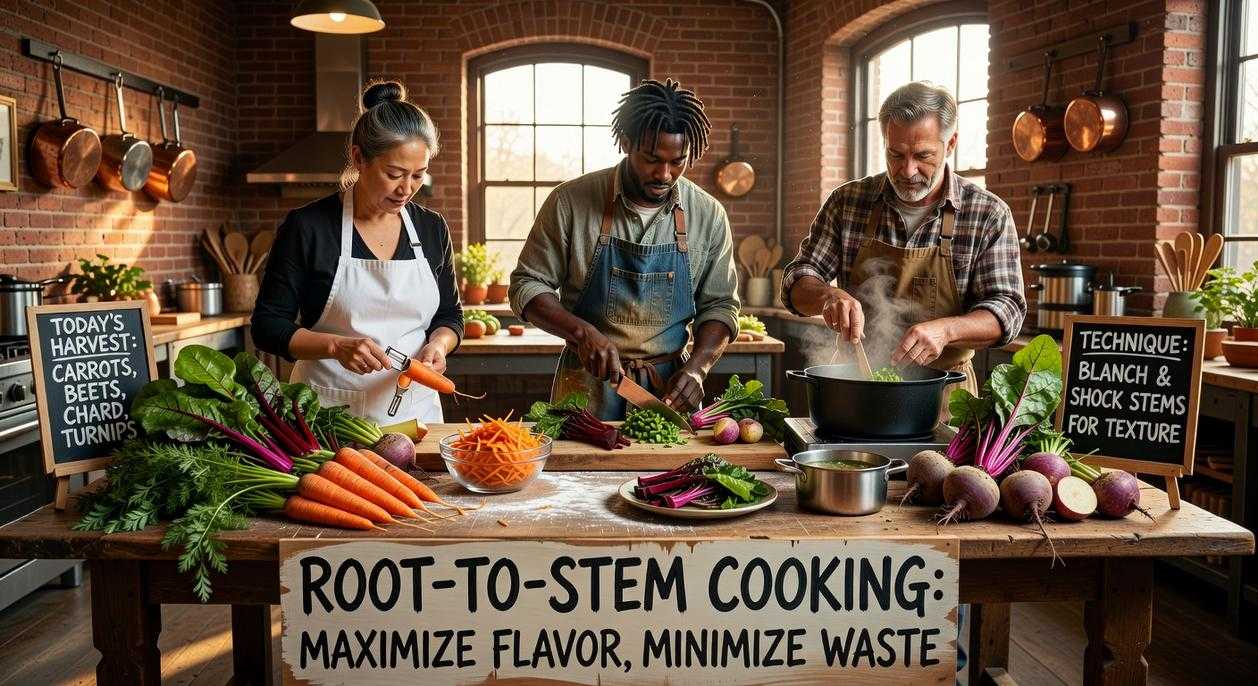
Food is more than nourishment—it’s culture, history, innovation, and connection on a plate. If you’re here, you’re likely looking to better understand today’s culinary pulse, explore global food fundamentals, and discover how flavors and traditions shape the way we cook and eat. This article brings those elements together, offering practical kitchen hacks, deeper insight into cultural cuisines, and guidance on building sustainable eating habits without sacrificing taste or authenticity.
We draw on established culinary research, global food studies, and firsthand analysis of traditional and modern cooking practices to ensure the information you’re reading is accurate, relevant, and actionable. Whether you want to expand your palate, cook more efficiently, or make more mindful food choices, this guide is designed to give you both context and practical steps. By the end, you’ll have a clearer understanding of how global flavors, smart techniques, and thoughtful sourcing can transform your everyday meals.
Climate change can feel abstract; however, your dinner plate is tangible. Food systems generate roughly a third of global greenhouse gas emissions (UN FAO), largely from meat production, fertilizer use, and food waste. So what can you do tonight?
First, shift portions toward plants—beans, lentils, whole grains—while treating meat like a sidekick, not the superhero. Next, cook seasonally; strawberries in winter travel far and taste tired. Also, plan leftovers to curb waste (your fridge is not a museum).
These small swaps build sustainable eating habits without abandoning family recipes. Traditional cuisines already center plants—think Mediterranean mezze or Japanese temple fare.
The Power of Plants: Reducing Your Carbon “Foodprint”
As more people embrace sustainable eating habits, it’s fascinating to observe how platforms like Instagram and TikTok have become powerful tools in shaping this global trend, as explored in our article on How Social Media Is Influencing Modern Food Culture.
Your carbon foodprint—the climate impact of what’s on your plate—matters more than most people realize. Industrial meat production requires vast land, intensive water use, and generates significant methane, a greenhouse gas over 25 times more potent than carbon dioxide over a 100-year period (EPA). Beef alone uses up to 20 times more land per gram of protein than beans (Our World in Data). That’s a staggering gap.
Some argue that individual food choices don’t meaningfully shift global emissions. And it’s true—systemic change is essential. But demand drives supply (basic economics, not a superhero movie plot). When enough people shift buying habits, markets respond.
That’s where the plant-forward approach comes in. Instead of eliminating meat entirely, you reduce portion sizes and prioritize plant proteins. This feels realistic, flexible, and far more sustainable long term. Think of it as progress, not perfection.
Start with pulses—lentils, chickpeas, and beans. They’re:
- Nutrient-dense (packed with fiber and plant protein)
- Affordable and shelf-stable
- Central to global dishes like dal, hummus, and feijoada
Here’s a practical kitchen hack: try a 50/50 swap. When making chili or bolognese, replace half the ground meat with cooked lentils. Step-by-step:
- Cook lentils until tender.
- Brown half your usual meat portion.
- Combine and season generously.
You’ll boost fiber, maintain texture, and cut emissions without sacrificing flavor (no one at the table needs to know).
Small shifts like this build sustainable eating habits that add up—one pot of chili at a time.
Embrace the Seasons: The Impact of Eating Locally
We live in a world where strawberries in December feel normal. But normal doesn’t always mean natural.
Understanding “Food Miles”
First, let’s define food miles—the distance food travels from where it’s grown to your plate. The farther it travels, the more fuel is burned for transport, refrigeration, and storage, increasing greenhouse gas emissions (Our World in Data, 2020). Think Chilean blueberries in January versus apples from a nearby orchard. One racks up frequent-flyer miles; the other takes a Sunday drive.
So here’s the comparison: imported, out-of-season produce offers convenience and variety year-round. Local, seasonal produce offers lower emissions and fresher flavor. A tomato picked early for shipping must ripen in transit. A local tomato ripens on the vine (and tastes like summer, not cardboard).
Beyond carbon costs, seasonal eating supports nearby farmers and keeps money circulating in your community. Studies also show produce can lose nutrients during long storage and transport (UC Davis, 2007). Fresher often means more nutritious.
If you’re wondering how to start, visit a farmers’ market or check your grocery store’s local section. For this quarter (Jan–Mar), look for citrus, kale, carrots, cabbage, and leeks.
Ultimately, choosing seasonal foods builds sustainable eating habits and reconnects us to regional traditions—eating with the rhythm of the land instead of against it.
The Full-Use Kitchen: Fighting Food Waste from Root to Stem
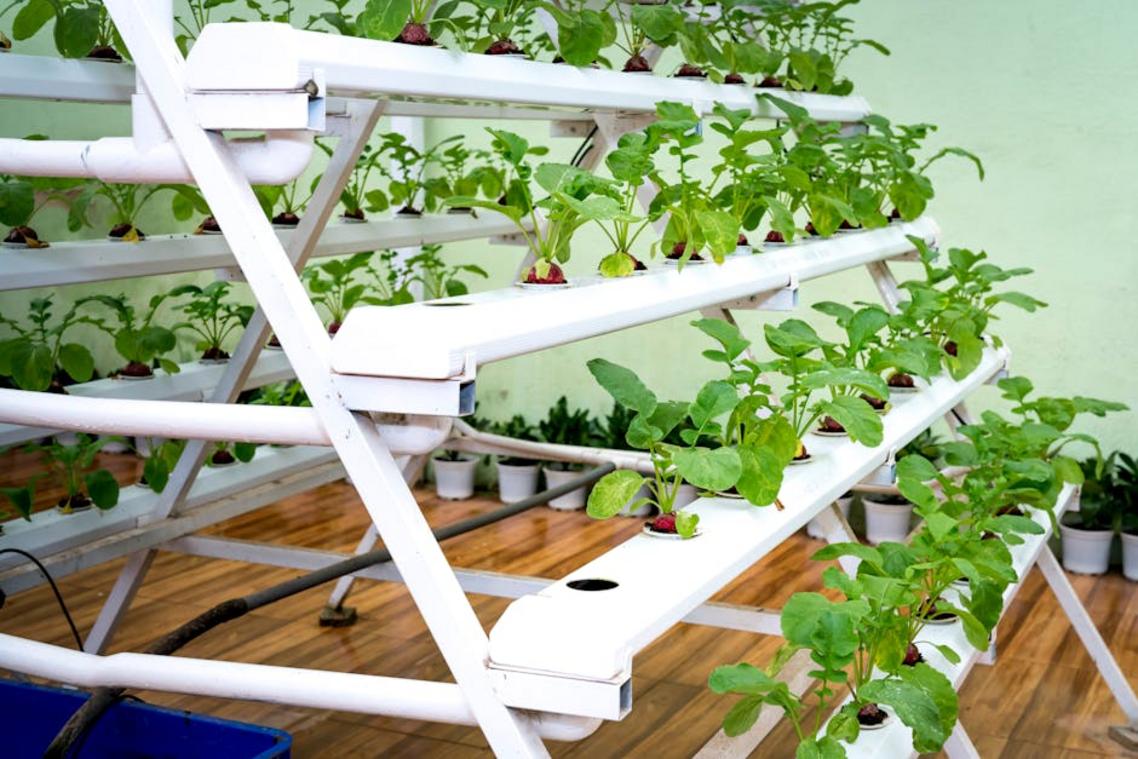
Roughly one-third of all food produced globally—about 1.3 billion tons—is wasted each year (FAO). When that food ends up in landfills, it decomposes without oxygen and releases methane, a greenhouse gas over 25 times more potent than carbon dioxide over a 100-year period (EPA). In other words, that forgotten spinach isn’t just sad—it’s a climate issue.
And yet, here’s a contrarian take: food waste isn’t just a supply-chain failure. It’s often a creativity failure. We call things “scraps” instead of what they really are—ingredients in disguise. Vegetable peels and chicken bones become rich stock. Wilting herbs transform into pesto with olive oil and nuts. Stale bread? Croutons, breadcrumbs, even ribollita (Italy figured this out centuries ago).
Instead of chasing every shiny kitchen gadget, start with a “Use-It-Up” jar in your fridge. Small spoonfuls of leftover beans, roasted veggies, or herbs go in; frittatas and stir-fries come out. Also, store herbs like flowers in water, and keep greens wrapped in a damp towel to extend freshness (simple, but wildly effective).
Consider broccoli. Most people toss the stalk, keeping only the florets. Why? Peel the tough outer layer and you’ll find a sweet, crunchy core perfect for slaw, roasting, or stir-frying. Root-to-stem cooking means honoring the whole ingredient, not just the photogenic part.
Ultimately, sustainable eating habits aren’t about perfection. They’re about perspective. For more on evolving kitchen thinking, explore top culinary trends shaping home cooking in 2026. Because the future of food might just start with what we almost threw away.
Making Waves with Smarter Seafood Choices
Our oceans face a stark choice: industrial overfishing and destructive trawling that strip habitats bare, or mindful harvesting that allows ecosystems to recover. The difference matters. Bottom-trawled shrimp vs. pole-caught fish isn’t just a label swap; it’s habitat damage versus minimal bycatch (think bulldozer vs. garden shears).
So, what can you do? First, compare packaging: uncertified seafood vs. options bearing MSC or ASC labels—credible certifications that signal responsible practices. Next, rethink your plate. Tuna steaks vs. sardines and mussels? Smaller fish reproduce quickly, carry fewer toxins, and pack serious nutrients.
Choosing lower-impact species supports sustainable eating habits—and tastes just as good.
Your next meal is more powerful than you think. When climate headlines feel overwhelming, it’s easy to assume your choices don’t matter. However, real change often starts in ordinary kitchens. Sustainable eating habits aren’t about perfection; they’re about progress. First, add more plants to your plate—beans, lentils, and vegetables stretch meals and shrink footprints. Next, reduce waste by planning leftovers (soup fixes almost anything). Finally, choose local, seasonal produce when possible; it supports farmers and cuts transport emissions. So this week, pick one step—try a new pulse recipe or visit a farmers market—and make it routine. Small choices add up.
Bring Hinga to Your Table with Purpose
You came here looking to better understand global flavors, cultural traditions, and how to bring more intention into your kitchen. Now you have the insights to explore culinary pulse, embrace food fundamentals, and experiment with bold Hinga flavors in ways that feel both exciting and practical.
The real challenge isn’t inspiration — it’s consistency. It’s easy to fall back into routine meals, disconnected from culture, nutrition, or meaning. By focusing on sustainable eating habits, you turn everyday cooking into something richer: more mindful, more flavorful, and more aligned with your values.
Now it’s your move. Start by choosing one new cultural dish to try this week. Apply one kitchen hack you’ve learned. Explore ingredients that reflect deeper traditions. Thousands of readers already rely on our trusted culinary insights to elevate their meals — and you can too.
Don’t let your kitchen stay ordinary. Dive deeper, experiment boldly, and transform the way you cook starting today.
 There is a specific skill involved in explaining something clearly — one that is completely separate from actually knowing the subject. Brianskier Fowlerosa has both. They has spent years working with culinary pulse in a hands-on capacity, and an equal amount of time figuring out how to translate that experience into writing that people with different backgrounds can actually absorb and use.
Brianskier tends to approach complex subjects — Culinary Pulse, Cultural Cuisine Explorations, Global Food Fundamentals being good examples — by starting with what the reader already knows, then building outward from there rather than dropping them in the deep end. It sounds like a small thing. In practice it makes a significant difference in whether someone finishes the article or abandons it halfway through. They is also good at knowing when to stop — a surprisingly underrated skill. Some writers bury useful information under so many caveats and qualifications that the point disappears. Brianskier knows where the point is and gets there without too many detours.
The practical effect of all this is that people who read Brianskier's work tend to come away actually capable of doing something with it. Not just vaguely informed — actually capable. For a writer working in culinary pulse, that is probably the best possible outcome, and it's the standard Brianskier holds they's own work to.
There is a specific skill involved in explaining something clearly — one that is completely separate from actually knowing the subject. Brianskier Fowlerosa has both. They has spent years working with culinary pulse in a hands-on capacity, and an equal amount of time figuring out how to translate that experience into writing that people with different backgrounds can actually absorb and use.
Brianskier tends to approach complex subjects — Culinary Pulse, Cultural Cuisine Explorations, Global Food Fundamentals being good examples — by starting with what the reader already knows, then building outward from there rather than dropping them in the deep end. It sounds like a small thing. In practice it makes a significant difference in whether someone finishes the article or abandons it halfway through. They is also good at knowing when to stop — a surprisingly underrated skill. Some writers bury useful information under so many caveats and qualifications that the point disappears. Brianskier knows where the point is and gets there without too many detours.
The practical effect of all this is that people who read Brianskier's work tend to come away actually capable of doing something with it. Not just vaguely informed — actually capable. For a writer working in culinary pulse, that is probably the best possible outcome, and it's the standard Brianskier holds they's own work to.