
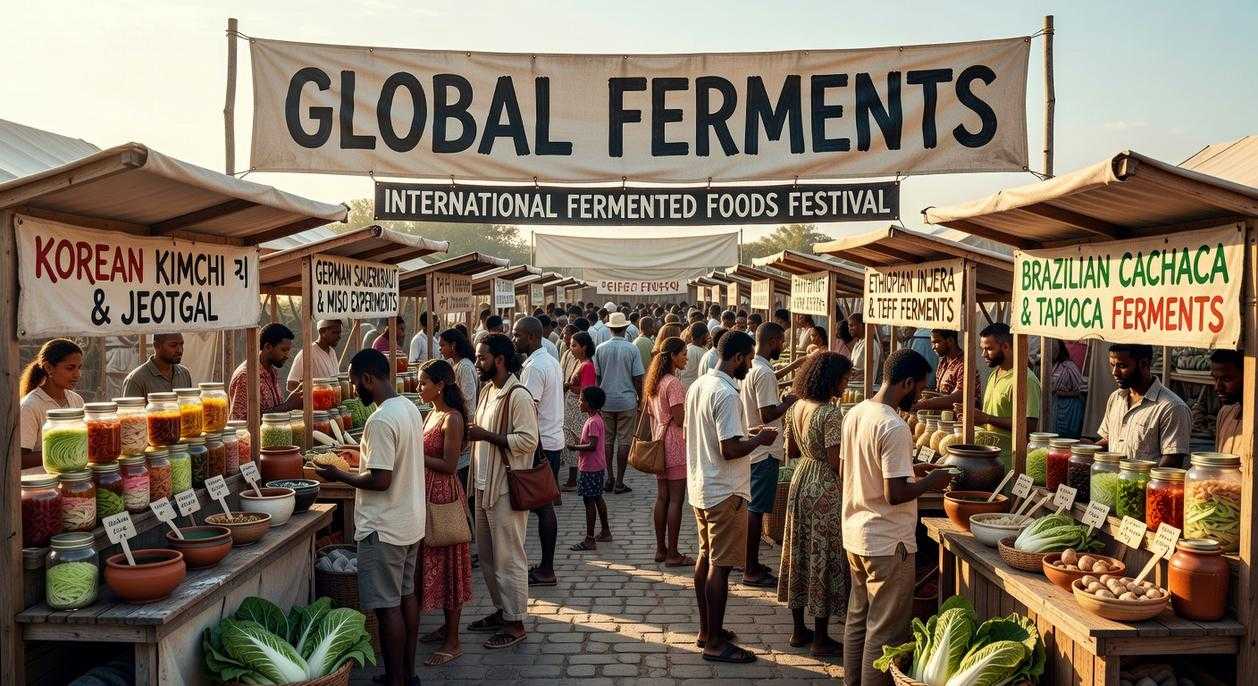
If you’ve noticed more kimchi jars, sourdough starters, and kombucha bottles lining grocery shelves lately, you’re not imagining it. The fermented foods comeback is reshaping how people think about flavor, health, and tradition in kitchens around the world.
Many home cooks and food enthusiasts are searching for more than just trends—they want to understand why fermented foods are resurging, what makes them nutritionally compelling, and how to incorporate them into everyday meals without guesswork. This article explores the cultural roots of fermentation, the science-backed benefits behind its popularity, and practical ways to bring bold, living flavors into your own cooking.
To ensure accuracy and depth, we’ve drawn on culinary research, food historians’ insights, and nutrition science to separate hype from heritage. Whether you’re curious about gut health, global cuisine, or simply better taste, you’ll find clear, trustworthy guidance grounded in both tradition and modern expertise.
Last year, I tried making kimchi after tasting it at a friend’s dinner party, and my kitchen smelled gloriously funky for days. That jar sparked my curiosity about why ancient techniques feel new again. The fermented foods comeback isn’t just about kombucha on tap. Fermentation—a natural process where microbes convert sugars into acids or alcohol—creates complex flavors and supports gut health, according to Harvard Medical School. Some skeptics call it hype. I get that. But when my sourdough starter finally bubbled to life, I tasted history, science, and culture in one bite. • Pro tip: start small with yogurt first.
The Gut-Health Connection: How Fermentation Fuels Wellness
Probiotics Explained
Probiotics are live, beneficial bacteria that support your gut microbiome—the vast community of trillions of microbes living in your digestive tract. Think of your gut as a bustling city: when helpful bacteria outnumber harmful ones, everything runs smoothly. When they don’t, problems arise. According to the National Institutes of Health, a balanced microbiome is linked to improved digestion and reduced inflammation (NIH, 2023). Yogurt with live cultures and kimchi are classic examples of probiotic-rich foods that help maintain this balance.
The Fermentation Engine
Lacto-fermentation is the natural process where beneficial bacteria convert sugars into lactic acid. This acid preserves food and creates an environment where good microbes thrive. In practical terms, fermentation “pre-digests” food, breaking down compounds that can block nutrient absorption. For example, fermenting cabbage into sauerkraut increases vitamin C availability and introduces living cultures at the same time. It’s a kitchen hack that unlocks nutrients already present in everyday vegetables and grains (no lab coat required).
- Boosts nutrient bioavailability
- Enhances flavor naturally
- Extends shelf life without additives
Beyond Digestion
A healthy gut does more than aid digestion. Research shows that about 70% of the immune system resides in the gut, and gut-brain axis studies link microbial balance to improved mood and mental clarity. The recent fermented foods comeback isn’t just culinary nostalgia—it reflects mounting scientific evidence that nurturing your microbiome supports whole-body wellness.
A Global Tour of Fermented Staples
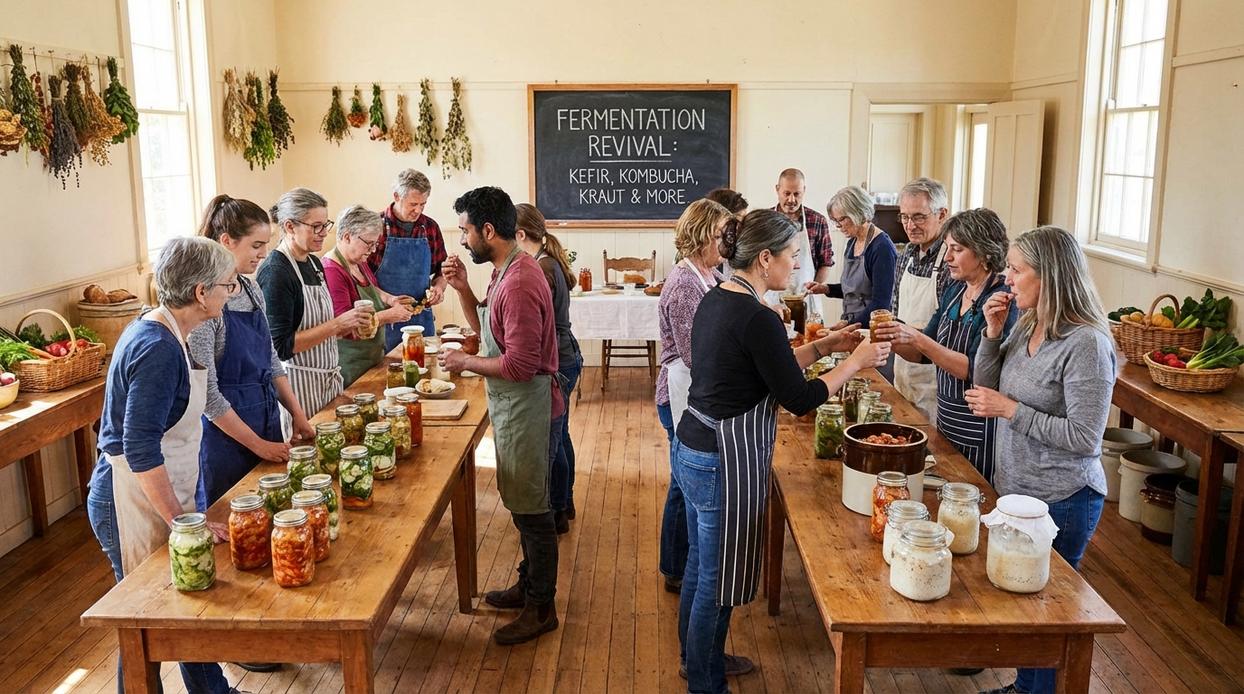
Fermentation is one of humanity’s oldest kitchen hacks—a natural preservation process where microorganisms like bacteria and yeast convert sugars into acids, gases, or alcohol. Archaeologists have found evidence of fermented foods dating back over 7,000 years (Journal of Archaeological Science, 2014). Today, these staples are central to what many call the fermented foods comeback.
Asia’s Umami Powerhouses
In Japan, miso—a paste made by fermenting soybeans with salt and koji mold—anchors soups and marinades with deep umami (a savory taste linked to glutamates). Studies show fermented soybean products may support gut health due to beneficial microbes (Nutrients, 2020). Meanwhile, Korea’s kimchi, a spicy fermented cabbage, is consumed daily by over 90% of Korean households (World Institute of Kimchi). Its tangy “funk” comes from lactic acid bacteria, the same microbes that preserve pickles. (Yes, that sharp kick is science at work.)
Europe’s Tangy Traditions
Germany’s sauerkraut—finely cut cabbage fermented by lactic acid bacteria—was historically vital for preventing scurvy among sailors because of its vitamin C content (BBC History). Sourdough bread relies on wild yeast and lactobacillus, creating its airy crumb and complex flavor. Research suggests sourdough fermentation can improve mineral absorption by reducing phytic acid (Food Microbiology, 2019). Not bad for flour, water, and patience.
Global Beverages
Kombucha ferments sweet tea using a SCOBY (Symbiotic Culture of Bacteria and Yeast), producing natural carbonation. Kefir, by contrast, uses kefir grains—clusters of bacteria and yeast—to ferment milk into a creamy, probiotic-rich drink. One relies on a floating culture; the other on living grains (think sci-fi pet vs. cauliflower look-alike).
Across Hinga culinary traditions, fermented bean pastes and sour porridges showcase the same microbial magic, reinforcing how preservation and flavor intertwine with sustainable eating habits gaining popularity worldwide.
Bringing Fermentation Into Your Kitchen
Fermentation can sound intimidating. Jars bubbling on the counter? Wild bacteria? Some people argue it’s risky or complicated (they picture a science lab gone rogue). In reality, it’s one of the oldest, safest food preservation methods in the world when done properly (Katz, The Art of Fermentation).
Your First Ferment: Simple Sauerkraut
Start with just cabbage and salt. Slice one head of cabbage thinly. Add 1 tablespoon of non-iodized salt per 1½–2 pounds of cabbage. Massage until it releases liquid. Pack it tightly into a clean glass jar, pressing until the cabbage is submerged in its own brine. Cover loosely and let it sit at room temperature for 5–10 days.
You’ll notice bubbles forming within a few days—that’s carbon dioxide from lactic acid bacteria, the good microbes responsible for preservation (NIH, 2020).
Essential Tools (That You Already Own)
Despite what fancy kits suggest, you only need:
- A glass jar
- Salt
- Clean water (if extra brine is needed)
No airlocks required (though they’re nice). A simple jar works because fermentation is anaerobic—meaning it thrives without oxygen.
A Simple Kitchen Hack
Here’s a pro tip: save a few tablespoons of brine from a successful batch. Add it to your next jar of cabbage to “kickstart” fermentation. This introduces active cultures immediately, speeding up the process and improving reliability.
Reading the Signs
Healthy ferment: gentle bubbling, cloudy brine, pleasantly sour smell.
Spoilage: fuzzy mold on top, rotten odor, slimy texture.
As the fermented foods comeback continues, remember—trust your senses. If it smells clean and tangy (like a sharp pickle), you’re on the right track.
Interest in fermented foods reflects a powerful blend of health seeking, flavor chasing, and a longing for authentic culinary roots. Yet I admit the science around gut diversity still evolves; we don’t have every answer. What seems clear is that the modern diet feels sterile, stripped of the microbes our bodies once met daily. Reintroducing them through kimchi, yogurt, or dosa batter is simple, natural, and delicious. Think of the fermented foods comeback as both nourishment and adventure. Start small, taste bravely, let jars bubble—and see where living, evolving flavors take you. Your palate will thank you. Eventually, maybe.
As more people discover the health benefits of fermented foods, they’re finding creative ways to include them in their diets, often pairing them with quick and easy recipes found in articles like ‘Fast Meals Fhthblog‘.
Bringing Bold Flavors Back to Your Table
You came here to understand how global food fundamentals, cultural traditions, and modern kitchen hacks are shaping today’s culinary pulse. Now you’ve seen how heritage techniques, evolving tastes, and especially the fermented foods comeback are redefining the way we cook and eat.
If you’ve been feeling stuck in repetitive meals or disconnected from authentic flavors, that frustration is real. Food should feel exciting, rooted, and nourishing—not bland or confusing. Exploring time-honored traditions and practical kitchen strategies helps you bring depth, balance, and confidence back into your cooking.
The next step is simple: start experimenting. Add one fermented ingredient to your weekly meals. Try a traditional preparation from another culture. Apply one smart kitchen hack that saves you time without sacrificing flavor.
If you want trusted, flavor-forward guidance that cuts through trends and delivers real culinary insight, explore more of our expert-backed resources today. Join thousands of food enthusiasts who are already transforming their kitchens with proven techniques and global inspiration. Dive in now and elevate your table with flavors that truly last.
 There is a specific skill involved in explaining something clearly — one that is completely separate from actually knowing the subject. Brianskier Fowlerosa has both. They has spent years working with culinary pulse in a hands-on capacity, and an equal amount of time figuring out how to translate that experience into writing that people with different backgrounds can actually absorb and use.
Brianskier tends to approach complex subjects — Culinary Pulse, Cultural Cuisine Explorations, Global Food Fundamentals being good examples — by starting with what the reader already knows, then building outward from there rather than dropping them in the deep end. It sounds like a small thing. In practice it makes a significant difference in whether someone finishes the article or abandons it halfway through. They is also good at knowing when to stop — a surprisingly underrated skill. Some writers bury useful information under so many caveats and qualifications that the point disappears. Brianskier knows where the point is and gets there without too many detours.
The practical effect of all this is that people who read Brianskier's work tend to come away actually capable of doing something with it. Not just vaguely informed — actually capable. For a writer working in culinary pulse, that is probably the best possible outcome, and it's the standard Brianskier holds they's own work to.
There is a specific skill involved in explaining something clearly — one that is completely separate from actually knowing the subject. Brianskier Fowlerosa has both. They has spent years working with culinary pulse in a hands-on capacity, and an equal amount of time figuring out how to translate that experience into writing that people with different backgrounds can actually absorb and use.
Brianskier tends to approach complex subjects — Culinary Pulse, Cultural Cuisine Explorations, Global Food Fundamentals being good examples — by starting with what the reader already knows, then building outward from there rather than dropping them in the deep end. It sounds like a small thing. In practice it makes a significant difference in whether someone finishes the article or abandons it halfway through. They is also good at knowing when to stop — a surprisingly underrated skill. Some writers bury useful information under so many caveats and qualifications that the point disappears. Brianskier knows where the point is and gets there without too many detours.
The practical effect of all this is that people who read Brianskier's work tend to come away actually capable of doing something with it. Not just vaguely informed — actually capable. For a writer working in culinary pulse, that is probably the best possible outcome, and it's the standard Brianskier holds they's own work to.