
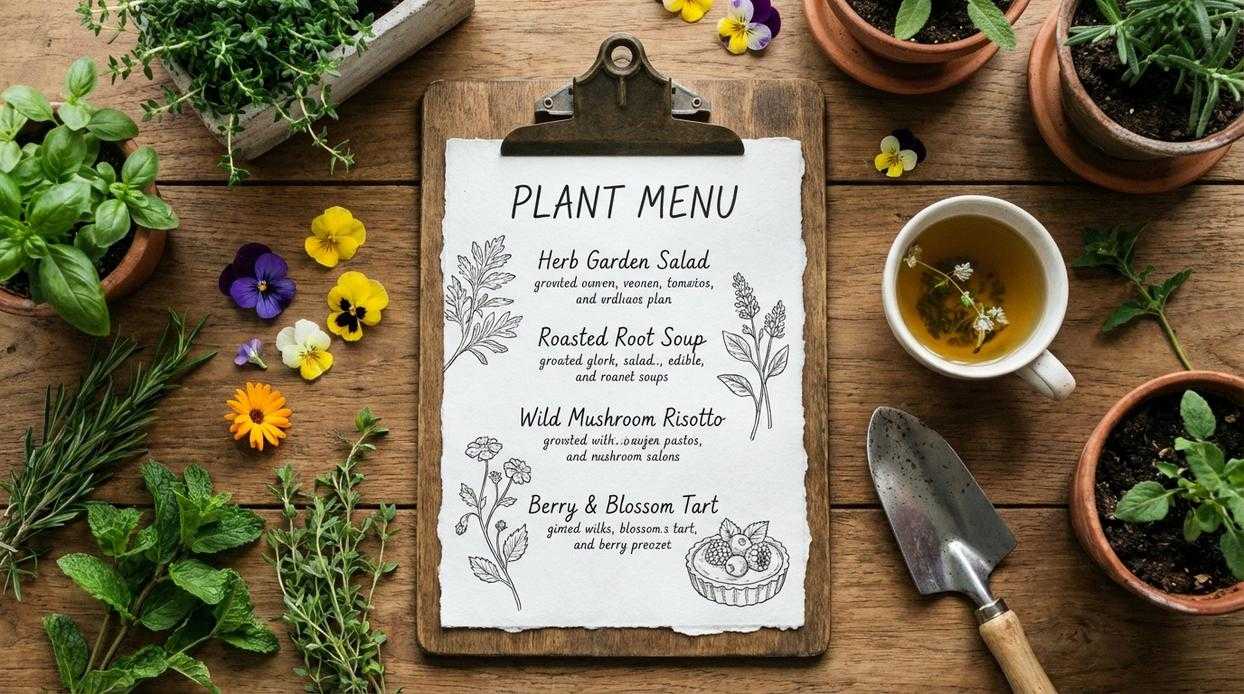
If you’re exploring the vibrant world of modern cuisine, you’re likely searching for more than just recipes—you want context, culture, and practical insight you can actually use. This article dives into the evolving culinary pulse shaping today’s kitchens, from global food fundamentals to the traditions and flavors that define memorable meals. Whether you’re curious about cultural cuisine explorations or looking to refine your approach to plant-forward menus, you’ll find clear, actionable guidance here.
We’ve drawn on culinary research, cross-cultural food studies, and hands-on kitchen testing to ensure the insights shared are both accurate and practical. You’ll discover how ingredients, techniques, and heritage intersect—along with smart kitchen hacks that make ambitious dishes achievable at home. By the end, you’ll not only understand the “why” behind today’s food trends, but also the “how” to bring them confidently to your own table.
The New Center of the Plate
Plant-centric dining is like turning the spotlight from the backup singer to the lead vocalist. Instead of treating vegetables as sidekicks, chefs build flavor the way architects design skylines—layer by layer, texture by texture.
Framework
- Source seasonally for depth and cost control
- Cook boldly with spice, smoke, and char
- Plate with color and height
When you craft plant-forward menus, think of each dish as a symphony, not a solo. Balance richness with acidity, crunch with creaminess. The result feels abundant, not restrictive—like opening windows in a stuffy room. Diners taste intention, and they return.
Defining the “Plant-Prioritized” Philosophy”
As more restaurants embrace plant-forward menus, ingredients like asafoetida, a unique flavor enhancer often found in vegetarian dishes, are gaining popularity—making it the perfect time to explore our complete guide on how to use hinga in cooking – for more details, check out our What Is Asafoetida? A Complete Guide to Hinga in Cooking.
Plant-prioritized means vegetables lead the conversation. It’s not veganism (which excludes all animal products); it’s a culinary focus shift. Meat or dairy can appear, but as a supporting character, not the star. Think mushroom risotto with a sprinkle of aged parmesan instead of a steak with token greens. The plate changes hierarchy.
This approach demands a flavor-first mindset. When chefs can’t rely on butter-basted ribeye, they explore fermentation, charring, spice layering, and texture contrasts. Roasted carrots with harissa yogurt suddenly feel craveable. (Yes, vegetables can have main-character energy.) Creativity expands because it has to.
From a business standpoint, it’s smart. Produce typically costs less than premium cuts, reduces waste, and appeals to flexitarians—people who mostly eat plants but aren’t strictly vegetarian. According to the Good Food Institute, plant-based demand continues rising globally. My recommendation? Start with plant-forward menus, engineer depth with umami-rich ingredients, and treat meat as an accent—not insurance.
Core Strategies for Building an Unforgettable Plant Menu

Creating unforgettable plant-forward menus isn’t about subtraction (no meat, no dairy, no fun). It’s about intensifying flavor, texture, and technique so every dish feels intentional and complete.
Leverage Global Flavors
Many cultures have built entire culinary identities around plants. Southeast Asian cuisine layers lemongrass, lime leaf, and chili for brightness and heat. Middle Eastern cooking relies on tahini, sumac, and pomegranate molasses for tang and depth. Latin American kitchens transform beans, corn, and peppers into deeply satisfying staples. These aren’t “substitutions”—they’re time-tested systems. Drawing from these traditions expands your spice pantry and delivers bold, memorable plates (think of it as upgrading from acoustic to surround sound).
Master the Maillard Reaction
The Maillard reaction is the chemical process that occurs when heat transforms proteins and sugars into complex, savory flavors (Source: Serious Eats, “The Science of the Maillard Reaction”). High-heat roasting at 425°F+, charring cabbage wedges, or grilling eggplant until smoky creates the browned edges people crave. These techniques add texture contrast and visual appeal—two features diners subconsciously equate with satisfaction.
The Power of Pulses and Grains
Lentils, chickpeas, black beans, and farro provide structure and staying power. Roast chickpeas for crunch, fold creamy lentil purée under grilled vegetables, or use ancient grains for nutty chew. Pulses are also rich in protein and fiber (FAO, 2016), which boosts satiety—a tangible benefit for guests seeking hearty meals.
Umami Is Your Secret Weapon
Umami, the savory “fifth taste,” amplifies depth without meat (Source: Harvard T.H. Chan School of Public Health). Sauté mushrooms until caramelized, whisk miso into dressings, steep kombu into broths, or sprinkle nutritional yeast for a subtle cheese-like finish. These details transform simple vegetables into crave-worthy dishes (yes, even Brussels sprouts).
When executed thoughtfully, these strategies don’t just fill plates—they build experiences.
Sourcing and Storytelling: From Farm to Menu
Great cooking begins long before the stove turns on. Building strong relationships with local farms or specialized purveyors is like casting the right actors for a film—if the talent is exceptional, you don’t need heavy special effects. In food terms, better ingredients require less manipulation. A sun-ripened tomato from a nearby farm doesn’t need to be buried under sauces; it just needs respect (and maybe a pinch of salt).
However, quality alone isn’t enough. Seasonality is non-negotiable. Think of it as nature’s release calendar. Strawberries in June taste vibrant because they’re meant to star then—not in December. Seasonal menus are more sustainable and cost-effective, according to the USDA, because they reduce storage and transportation costs while maximizing flavor. In plant-forward menus, this approach ensures vegetables arrive at their peak, not after a cross-country journey.
Equally important, storytelling transforms a dish into an experience. Naming the farm, highlighting a rare varietal, or describing a wood-fire technique adds perceived value. It’s the difference between “carrots” and “heirloom Dragon carrots from Willow Creek Farm, charred and glazed.” Narrative creates appetite. For more on ingredient-driven movements, explore why fermented foods are making a big comeback.
The Language That Makes Everyone Hungry
I once watched a guest wrinkle their nose at the word vegan—then order the same dish after I described it as fire-roasted eggplant with creamy cashew drizzle and charred citrus. Same plate. Different story. (Turns out, people crave flavor—not labels.)
That’s the power of descriptive language. Words like smoky, crisp-edged, or slow-braised highlight texture and technique. Restrictive tags can unintentionally signal sacrifice. Flavor-forward phrasing signals abundance.
The same philosophy applies to structure. Instead of isolating meat-free dishes in a separate corner, integrate them across the menu. When thoughtfully placed among other entrées, plant-forward menus feel inclusive, not niche. Diners scan everything—and often choose what simply sounds delicious.
Finally, empower your staff. A confident server describing how carrots are blistered in cast iron or how spices bloom in hot oil can outsell any label. Train them to recommend boldly. Passion is persuasive (and contagious).
Bland, afterthought vegetable dishes simply don’t cut it anymore. Today’s diners expect vegetables to command the plate, not hide beside the protein (no more sad steamed broccoli). The solution is clear: adopt a plant-prioritized mindset rooted in bold flavor, smart technique, and quality sourcing. Think fire-roasted carrots with harissa, miso-glazed squash, or charred cabbage finished with citrus and herbs. In other words, build plant-forward menus that feel intentional, not obligatory. So here’s your move: challenge your kitchen this week to create one truly plant-centric dish using global flavors and advanced techniques. Start small—but make it unforgettable.
Bring More Intention to Your Table
You came here looking for clarity on how to embrace richer flavors, smarter techniques, and more meaningful food choices. Now you have a deeper understanding of how culinary pulse, global food fundamentals, and cultural traditions come together to transform everyday cooking into something memorable.
The real challenge isn’t inspiration — it’s execution. It’s standing in your kitchen wondering how to balance flavor, honor tradition, and still create meals that feel fresh and exciting. That tension between wanting variety and not knowing where to start is exactly what holds most home cooks back.
The good news? You now have the tools to explore boldly, experiment confidently, and even lean into plant-forward menus without sacrificing taste or cultural authenticity. Small, intentional shifts in ingredients, technique, and mindset can completely elevate your table.
Here’s your next step: start with one recipe, one new spice, or one global technique this week. Put these insights into practice immediately. If you’re ready for more flavor-packed guidance, culturally rooted inspiration, and practical kitchen hacks trusted by passionate food explorers worldwide, dive deeper now and keep expanding your culinary edge. Your kitchen deserves it.
 Ask Pearlishel Vining how they got into culinary pulse and you'll probably get a longer answer than you expected. The short version: Pearlishel started doing it, got genuinely hooked, and at some point realized they had accumulated enough hard-won knowledge that it would be a waste not to share it. So they started writing.
What makes Pearlishel worth reading is that they skips the obvious stuff. Nobody needs another surface-level take on Culinary Pulse, Cultural Cuisine Explorations, Global Food Fundamentals. What readers actually want is the nuance — the part that only becomes clear after you've made a few mistakes and figured out why. That's the territory Pearlishel operates in. The writing is direct, occasionally blunt, and always built around what's actually true rather than what sounds good in an article. They has little patience for filler, which means they's pieces tend to be denser with real information than the average post on the same subject.
Pearlishel doesn't write to impress anyone. They writes because they has things to say that they genuinely thinks people should hear. That motivation — basic as it sounds — produces something noticeably different from content written for clicks or word count. Readers pick up on it. The comments on Pearlishel's work tend to reflect that.
Ask Pearlishel Vining how they got into culinary pulse and you'll probably get a longer answer than you expected. The short version: Pearlishel started doing it, got genuinely hooked, and at some point realized they had accumulated enough hard-won knowledge that it would be a waste not to share it. So they started writing.
What makes Pearlishel worth reading is that they skips the obvious stuff. Nobody needs another surface-level take on Culinary Pulse, Cultural Cuisine Explorations, Global Food Fundamentals. What readers actually want is the nuance — the part that only becomes clear after you've made a few mistakes and figured out why. That's the territory Pearlishel operates in. The writing is direct, occasionally blunt, and always built around what's actually true rather than what sounds good in an article. They has little patience for filler, which means they's pieces tend to be denser with real information than the average post on the same subject.
Pearlishel doesn't write to impress anyone. They writes because they has things to say that they genuinely thinks people should hear. That motivation — basic as it sounds — produces something noticeably different from content written for clicks or word count. Readers pick up on it. The comments on Pearlishel's work tend to reflect that.